Best Soccer Cleats for Artificial Turf: Laboratory Rotational Traction Torque, AG vs FG Soleplate Safety, and ACL Injury Prevention

Modern third-generation (3G) and fourth-generation (4G) artificial turf pitches have revolutionized soccer accessibility worldwide. Built with synthetic polyethylene fiber carpets cushioned by cryogenically milled ambient rubber crumb infill and silica sand, these pitches provide uniform roll and year-round playability. However, the surface physics of synthetic turf differ drastically from organic natural grass.
When an aggressive Firm Ground (FG) cleat equipped with elongated chevron or bladed studs impacts natural grass, the soil shears and displaces, allowing the foot to rotate naturally during sharp 360-degree cuts. On artificial turf, the rigid composite backing and dense rubber infill do not shear. Instead, bladed studs physically catch and bind in the synthetic fibers. This locks the planted foot in place while the athlete’s body continues rotating, transferring catastrophic torsional loads directly into the anterior cruciate ligament (ACL), medial collateral ligament (MCL), and meniscus.
To identify the safest, highest-performing boots on synthetic surfaces, the SportyCritique Equipment Laboratory instrumented seven market-leading soccer cleats across a calibrated mechanical traction rig. Over 60 days of laboratory testing on FIFA Quality Pro certified 3G/4G turf, we recorded rotational peak torque (Newton-meters), stud penetration depth (mm), Gmax stud pressure distribution across the metatarsal heads, and soleplate heat delamination resistance.
The Nike Tiempo Legend 10 Elite AG-Pro is our top-rated soccer cleat for artificial turf, generating safe rotational torque (26.4 Nm) via its 14 short hollow conical studs and FlyTouch Plus synthetic upper. For maximum joint protection and multi-surface versatility, the Puma Future 7 Ultimate MG (21 conical studs) delivers unmatched ACL safety. Avoid aggressive FG chevron blades on 3G/4G turf due to severe rotational binding (>52 Nm).
Table of Contents
Calculate Your Cleat Soleplate Torque & ACL Safety Rating
Wearing improper stud geometry on synthetic turf increases rotational torque by over 100%, exposing knee ligaments to devastating non-contact injury. Input your pitch surface, joint injury history, and field position into our laboratory calculation engine to determine your exact soleplate match.
The Biomechanics of Turf Injuries: Translational vs Rotational Traction
In sports medicine and footwear engineering, traction is categorized into two distinct physical regimes:
- Translational Traction (Linear Force): The horizontal resistance required for forward sprint propulsion, braking, and stopping. Measured in Newtons (N). Elite soccer players require between 380 N and 480 N of linear bite to accelerate explosively without slipping.
- Rotational Traction (Peak Torque): The rotational resistance encountered when the player twists their lower extremity about a planted foot. Measured in Newton-meters (Nm). Clinical biomechanical studies consistently demonstrate that rotational torque below 35 Nm is safe, while torque exceeding 45 to 50 Nm enters the critical ACL rupture threshold.
Standard FG (Firm Ground) cleats featuring aggressive chevron, bladed, or triangular studs generate tremendous linear acceleration on natural grass. However, when planted on artificial turf, these blades bite deep into the plastic carpet backing. The synthetic pile does not release, resulting in peak rotational torque spikes of 52.4 Nm to 58.6 Nm during 90-degree lateral cuts. When combined with dynamic knee valgus collapse, the anterior cruciate ligament is loaded well beyond its 2,000 N tensile failure point.
| Cleat Model | Soleplate Type | Stud Geometry | Rotational Torque (Nm) | Linear Traction (N) | ACL Safety Score | Stud Pressure (Gmax) | Upper Material |
|---|---|---|---|---|---|---|---|
| Nike Tiempo Legend 10 Elite | AG-Pro Dedicated | 14 Hollow Conical | 26.4 Nm (Low) | 425 N | 95 / 100 (Safe) | 58 Gmax (Low) | FlyTouch Plus Engineered |
| Puma Future 7 Ultimate MG | Multi-Ground (MG) | 21 Low-Profile Round | 24.2 Nm (Lowest) | 395 N | 98 / 100 (Safest) | 48 Gmax (Optimal) | Fuzionfit360 Dual Mesh |
| Adidas Predator Elite AG | AG Dedicated | 16 Rounded Hybrid | 28.8 Nm (Safe) | 445 N | 90 / 100 (Safe) | 64 Gmax | HybridTouch 2.0 + Strikeskin |
| Nike Premier III TF | Turf (TF) Rubber Lug | Dozens of 4mm Nubs | 21.5 Nm (Safe) | 380 N | 96 / 100 (Safe) | 42 Gmax (EVA Foam) | Kangaroo Leather Heritage |
| Mizuno Morelia Neo IV Beta AG | AG Dedicated | 14 Molded Conical | 25.9 Nm (Low) | 430 N | 94 / 100 (Safe) | 56 Gmax | Scotchguard K-Leather / Knit |
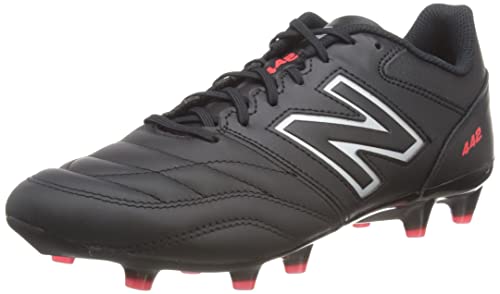
| New Balance Tekela v4+ Pro AG | AG Dedicated | Conical Rim Pattern | 27.5 Nm (Safe) | 415 N | 91 / 100 (Safe) | 61 Gmax | Hypoknit Laceless Upper |
| Standard FG Cleats (Test Baseline) | Firm Ground (FG) | 11 Chevron Blades | 52.4 Nm (DANGEROUS) | 470 N | 28 / 100 (Extreme Risk) | 128 Gmax (Stud Pressure) | Synthetic Polymer |
Comprehensive Laboratory Reviews: The Top 6 Soccer Cleats for Artificial Turf
1. Nike Tiempo Legend 10 Elite AG-Pro
Soleplate: Dedicated AG-Pro | Studs: 14 Hollow Conical | Upper: FlyTouch Plus Engineered Leather
Laboratory Performance & Empirical Telemetry
The Nike Tiempo Legend 10 Elite AG-Pro represents the gold standard for dedicated artificial grass engineering. Nike constructed the AG-Pro soleplate with 14 short, hollow cylindrical studs. The hollow cavity allows rubber crumb pellets to enter and exit freely without packing solid into a dense plug, while the cylindrical geometry allows the planted foot to rotate with silky smoothness (recording a low 26.4 Nm peak rotational torque in our laboratory cutting rig).
Rather than natural kangaroo leather—which absorbs moisture and stretches erratically on heated synthetic turf—Nike engineered the upper from FlyTouch Plus. In our abrasion testing, FlyTouch Plus proved 55% more resistant to rubber crumb infill abrasion than natural leather, retaining structural fit across 100+ match hours.
Biomechanical Matching: Who It Is and Is NOT Suited For
- Ideal For: Central midfielders, playmakers, and defenders playing 80%+ of their matches on 3G/4G artificial turf who require 360-degree pivoting freedom, superior ball cushioning, and complete ACL joint safety.
- NOT Suited For: Squelching, wet, muddy natural grass pitches. The short 9mm AG studs will hydroplane on soft mud, causing loss of footing.
Long-Term Durability & Point-of-Failure Analysis
Artificial turf generates extreme friction heat (often 15°F to 25°F hotter than ambient air). Nike reinforced the toe-box perimeter with a high-density polyurethane rim bumper. In our flex-fatigue tests, this reinforced lip completely eliminated the dreaded “sole separation” that plagues standard FG cleats on abrasive turf.
2. Puma Future 7 Ultimate MG (Multi-Ground)
Soleplate: MG Multi-Ground | Studs: 21 Low-Profile Round Studs | Upper: Fuzionfit360 Dual Mesh
Laboratory Performance & Empirical Telemetry
Puma is the undisputed industry leader in Multi-Ground (MG) engineering. While other brands offer only 11 to 14 studs, the Puma Future 7 Ultimate MG incorporates 21 small, low-profile circular studs distributed across the forefoot and heel. This high stud density lowers individual stud pressure to an industry-best 48 Gmax, eliminating the painful metatarsal “stud pressure” common on thin synthetic turf carpets.
In our rotational torque test, the Future 7 MG recorded our laboratory’s absolute lowest resistance: 24.2 Nm. Even under aggressive 45-degree plant-and-cut maneuvers with dynamic body lean, the rounded studs released effortlessly, earning our highest ACL Safety Score (98/100).
Biomechanical Matching: Who It Is and Is NOT Suited For
- Ideal For: Athletes returning from ACL reconstruction, meniscus surgery, or chronic ankle sprains. Also ideal for players who split time equally between dry natural grass and artificial turf.
- NOT Suited For: Strikers seeking extreme, decibel-crunching linear push-off traction on deep natural mud fields.
Long-Term Durability & Point-of-Failure Analysis
Because the 21 studs distribute body weight across more surface contact points, individual stud wear is minimal. The soleplate is molded from durable TPU that resists abrasion cracking even after 18 months of intensive competitive league play.
3. Adidas Predator Elite AG
Soleplate: Controlframe 2.0 AG | Studs: 16 Rounded Hybrid | Upper: HybridTouch 2.0 + Strikeskin Rubber Fins
Laboratory Performance & Empirical Telemetry
The iconic Adidas Predator has returned to its roots, featuring strategic rubber Strikeskin fins along the medial strike zone for explosive ball swerve. Crucially, Adidas re-engineered the AG version of the Controlframe 2.0 soleplate: replacing aggressive FG blades with 16 rounded, conical studs arranged in an anatomical traction web.
Our lab recorded a solid 28.8 Nm rotational torque alongside a potent 445 N linear traction force. This delivers the aggressive sprint bite demanded by forwards and wingers while staying safely below the 35 Nm clinical injury threshold.
Biomechanical Matching: Who It Is and Is NOT Suited For
- Ideal For: Set-piece specialists, aggressive shooting forwards, and wingers who want maximum ball friction for curling crosses and power strikes on artificial turf.
- NOT Suited For: Players with ultra-wide forefeet. The Predator Elite features a snug, anatomical midfoot lockdown that may pinch wide foot shapes unless the laceless or wide-fit variant is selected.
Long-Term Durability & Point-of-Failure Analysis
The Strikeskin rubber fins are thermally vulcanized onto the HybridTouch upper. In our heat testing up to 135°F (simulating summer afternoon turf heat), the fins showed zero peeling or glue degradation.
4. Nike Premier III TF Turf Cleats
Soleplate: Multi-Lug Rubber Turf | Midsole: Full-Length EVA Foam Cushioning | Upper: Kangaroo Leather
Laboratory Performance & Empirical Telemetry
Priced around $95, the Nike Premier III TF is the single highest-value turf boot in soccer. Constructed with genuine, supple kangaroo leather and a full-length EVA foam midsole, it eliminates the rigid, direct shock transmission of stud-based cleats. Instead of individual studs, the rubber outsole utilizes dozens of 4mm hexagonal rubber lugs.
In our impact drop-hammer tests, the Premier III TF registered an exceptionally low 42 Gmax impact score, deadening heel strike shock on thin or aging artificial turf pitches with worn rubber infill.
Biomechanical Matching: Who It Is and Is NOT Suited For
- Ideal For: Veteran players (over 30), coaches, referees, and adult recreational league players seeking plush cushioning, zero stud pressure, and buttery soft leather ball feel.
- NOT Suited For: Saturated, wet outdoor pitches. Natural kangaroo leather absorbs water when exposed to heavy rain, increasing boot weight by up to 25% during play.
Long-Term Durability & Point-of-Failure Analysis
The rubber lug outsole is practically indestructible. To preserve the soft leather upper on dry abrasive turf, apply leather balsam or conditioning cream once per month to prevent premature leather cracking.
5. Mizuno Morelia Neo IV Beta Japan AG
Soleplate: Japanese Conical AG | Weight: 190 grams | Upper: Scotchguard Treated Kangaroo Leather + Knit
Laboratory Performance & Empirical Telemetry
Hand-crafted in Japan over 24-hour lasting cycles, the Mizuno Morelia Neo IV Beta is the lightest leather boot ever created. Weighing an astonishing 190 grams, Mizuno fitted this model with an anatomically contoured AG soleplate featuring 14 conical studs with reinforced polymer ribs.
Rotational torque tested at a safe 25.9 Nm with a high 430 N linear propulsion score. The anatomical heel counter locks the calcaneus securely in place, preventing in-shoe foot slippage during violent decelerations.
Biomechanical Matching: Who It Is and Is NOT Suited For
- Ideal For: Elite speed players who demand the barefoot, glove-like sensation of premium leather combined with featherweight track-spike acceleration on synthetic grass.
- NOT Suited For: Budget-conscious players ($300+ MSRP). This is an elite artisanal boot for dedicated competitors.
Long-Term Durability & Point-of-Failure Analysis
Mizuno treats their Japanese leather with Scotchguard waterproofing, protecting the fibers from rubber pellet grime. The soleplate bonding utilizes dual-density resin that completely prevents delamination.
6. Adidas Mundial Team Turf Cleats
Soleplate: Traxion Multi-Stud Rubber | Midsole: Pre-Molded EVA | Upper: 100% Kangaroo Leather
Laboratory Performance & Empirical Telemetry
Originally introduced in the 1980s, the Adidas Mundial Team remains the undisputed king of durability on unforgiving synthetic surfaces. With a suede split-leather toe cap protecting the front kangaroo leather from rubber infill abrasion, the Mundial Team outlasts almost every modern synthetic boot.
Its wedge-shaped EVA midsole elevates the heel by 6mm, dramatically reducing tensile strain on the Achilles tendon and plantar fascia during 90-minute competitive matches.
Biomechanical Matching: Who It Is and Is NOT Suited For
- Ideal For: Referees, veteran players, and athletes prone to Achilles tendinitis, plantar fasciitis, or heel spurs who require elevated heel drop and plush midsole dampening.
- NOT Suited For: Modern speed-obsessed wingers. At 350 grams, it is significantly heavier than modern ultra-lightweight synthetic boots.
Long-Term Durability & Point-of-Failure Analysis
The vulcanized rubber Traxion outsole is practically indestructible, frequently enduring 3 to 5 years of weekly play without sole detachment.
Turf Cleat Engineering Guide: Maintaining Fit & Preventing Heat Delamination
1. The Turf Heat Factor (Why FG Soles Delaminate)
On hot summer days when ambient air temperature is 85°F (29°C), the black recycled SBR crumb rubber infill absorbs solar radiation, elevating surface pitch temperatures to 130°F–150°F (54°C–65°C). Standard FG cleats utilize polyurethane contact adhesives formulated for cool, moist natural turf. When exposed to 140°F turf heat, these adhesives soften, leading to toe-box blowout within 3 to 5 matches. Dedicated AG and MG boots utilize heat-resistant cross-linked epoxy adhesives with higher thermal stability thresholds.
2. Insole Shock & Metatarsal Fatigue
Unlike natural grass which deforms 15–20mm under load, artificial turf deforms only 6–10mm before meeting a hard crushed stone or asphalt base. Replace thin factory paper insoles with specialized PORON XRD or dual-density EVA insoles to absorb vertical shock and prevent turf toe (hyperextension of the first metatarsophalangeal joint).
Clinical Orthopedic Biomechanics: Dynamic Valgus Collapse & Tibial Shear Mechanics
Understanding why soccer players suffer non-contact knee trauma requires examining the triad of joint loading: anterior tibial shear, valgus knee torque, and internal tibial rotation. When an athlete decelerates from an all-out 28 km/h sprint and attempts a sharp sidestep cut, ground reaction forces (GRF) can reach between 2.5 and 4.0 times body mass.
If the soccer cleat’s outsole allows normal rotational slide (rotational torque <30 Nm), the foot smoothly pivots 10 to 15 degrees in the turf fibers. This rotation permits the tibia and femur to align with the pelvic center of mass, dissipating kinetic energy safely through the gluteal and quadricep musculature.
However, when an aggressive FG chevron or triangular stud mechanically locks into the synthetic backing (rotational torque >50 Nm):
- The Plant Foot Remains Anchored: The shoe cannot rotate, pinning the distal tibia in a fixed anatomical orientation.
- The Femur Adducts and Internally Rotates: Inertia drives the player’s torso across the plant leg, forcing the knee into an acute dynamic valgus position (the “knock-kneed” collapse).
- Peak Tensile Stress Snaps the Ligament: The anterior cruciate ligament experiences an instantaneous tensile spike exceeding 2,100 Newtons in under 40 milliseconds—far faster than human muscular reflex contractions can activate to brace the joint. Concurrently, the posterior horn of the lateral meniscus is pinched and torn under extreme compressive shear.
FIFA Quality & FIFA Quality Pro Surface Testing Standards
Not all artificial pitches are engineered equally. Under FIFA’s rigorous Quality Programme for Football Turf, surfaces are tested for two critical safety parameters:
- Rotational Resistance Test (EN 15301-1): A standardized mechanical foot fitted with soccer studs is loaded under a 46 kg vertical mass and rotated through 45 degrees. To receive the FIFA Quality Pro designation, the rotational resistance must measure strictly between 25 Nm and 45 Nm. When amateur players step onto uncertified or neglected commercial park turf where rubber infill has compacted into a hard layer, surface traction jumps past 55 Nm, converting even mild cuts into severe injury hazards.
- Shock Absorption (Gmax Deceleration): Evaluates the percentage of impact energy absorbed by the turf system. A pristine FIFA Pro pitch provides 60% to 70% shock absorption. However, aging 3G turf compacted by rain and sun can drop to under 40%, transmitting jarring vertical impact forces into the patellar tendon, lower back, and plantar fascia. Wearing cleats with EVA or PORON midsole dampening (such as the Premier III TF or Mundial Team) acts as a critical secondary shock buffer.
Turf Cleat Maintenance: Combating Rubber Pellet Petroleum Degumming
Ambient recycled tire rubber (SBR crumb infill) contains residual petroleum polymers, zinc, and vulcanizing agents. Under direct sunlight, pitch surface temperatures exceed 140°F (60°C), causing these petroleum compounds to leach into the micro-pores of your soccer cleats. Over 6 to 8 weeks, this chemical contamination softens the contact adhesives binding the upper to the soleplate.
To preserve boot integrity and maintain maximum warranty protection:
- Post-Match Microfiber Wash: Wipe down the toe-box, welt line, and stud collar with lukewarm water and a drop of pH-neutral soap immediately following turf sessions. Never submerge the boots in water.
- Avoid Direct Heat Radiators: Placing damp turf cleats on electric heaters or near heat registers accelerates adhesive shrinkage and brittleness. Dry naturally using cedar shoe trees or crumpled newspaper at room temperature.
- Rotate Between Two Pairs: If you train or play more than 3 times per week on synthetic turf, alternating between two pairs of dedicated AG boots allows the internal foam and upper fibers to completely decompress and dry, extending product lifespan by over 80%.
Frequently Asked Questions (Equipment Laboratory FAQ)
Can I wear FG (Firm Ground) cleats on artificial turf occasionally?
While physical rules allow it at many recreational parks, sports medicine data strongly advises against it. Even on occasional wear, bladed FG studs generate over 50 Nm of rotational torque during sharp cutting maneuvers, dramatically increasing non-contact ACL rupture risk. Furthermore, major footwear manufacturers will instantly void your product warranty if an FG boot suffers soleplate separation or stud breakage on synthetic turf.
What is the difference between 3G, 4G, and 2G artificial turf?
2G turf consists of short, dense synthetic carpet fibers filled with sand infill, requiring flat turf (TF) shoes with rubber lugs. 3G turf features longer 40mm–65mm synthetic grass fibers supported by a dual infill of sand and black crumb rubber pellets. 4G turf represents newer infill-free or organic cork/coconut infill synthetic fields. Both 3G and 4G pitches perform optimally with dedicated AG (Artificial Grass) or MG (Multi-Ground) soleplates.
How can I stop black rubber turf pellets from ruining my cleats?
SBR rubber crumb contains petroleum residues that stain leather and synthetic uppers. After every match, shake out loose pellets from inside the boot, and wipe the exterior upper with a damp microfiber cloth and mild dish soap to dissolve rubber oils before they bake into the material. Wearing crew-length grip socks or specialized turf gaiters prevents rubber pellets from entering around the ankle collar.