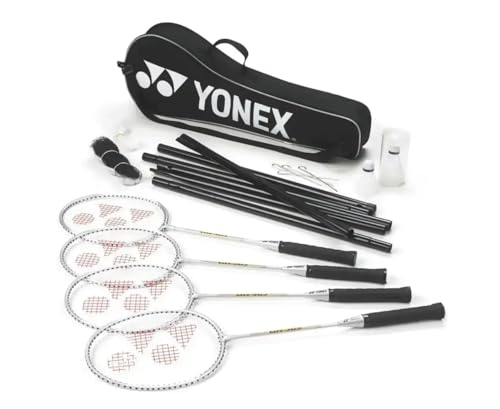
Best Racket for Beginners Badminton: Forgiving, Lightweight Picks


The best racket for beginners badminton is even-balanced, moderately weighted, and built to forgive an undeveloped swing, not to reward advanced technique. Here’s what actually matters at this stage, and which picks fit a first racket or a group just starting out.
The best racket for beginners badminton is even-balanced, moderately weighted around 85-100 grams, and built with a flexible-to-medium shaft and a larger sweet spot, the opposite of the head-heavy, extra-stiff rackets covered in our professional-tier guide. Forgiveness on off-center hits matters far more than any performance spec at this stage, since a beginner’s swing hasn’t developed the consistency that specialized rackets assume.
Every other guide on this site covers a racket built around a specific, developed skill, power, control, drop shots, a weak backhand. This one is different on purpose: a beginner hasn’t developed a consistent swing yet, so the right racket here prioritizes forgiving mistakes over rewarding precision. That’s a genuinely different design goal, not just a cheaper version of the other categories.
- →Even balance, not head-heavy or head-light, suits an undeveloped swing best
- →A larger sweet spot forgives the off-center contact beginners make often
- →85-100 grams is the practical weight range, light enough to control, not too light to feel stable
- →A flexible-to-medium shaft helps generate racket head speed without requiring advanced technique
- →Price matters less here than fit, an expensive advanced racket is a worse beginner choice than a cheap even-balanced one
Table of Contents
Why beginner rackets are built differently on purpose
Every trait covered in the other guides on this site, head-heavy balance for power, head-light balance for control, extra-stiff shafts for tournament play, assumes a swing consistent enough to actually benefit from that specialization. A beginner’s swing isn’t there yet, which means those same traits that help an advanced player often actively work against someone new to the sport. A head-heavy racket, for example, rewards a fast, clean swing with more smash power, but punishes an inconsistent one with a racket that feels sluggish and hard to bring back into position. An even-balanced, moderately weighted racket doesn’t reward good technique as much, but it also doesn’t punish developing technique nearly as harshly, which is exactly the tradeoff a beginner needs.
Our pick for beginners
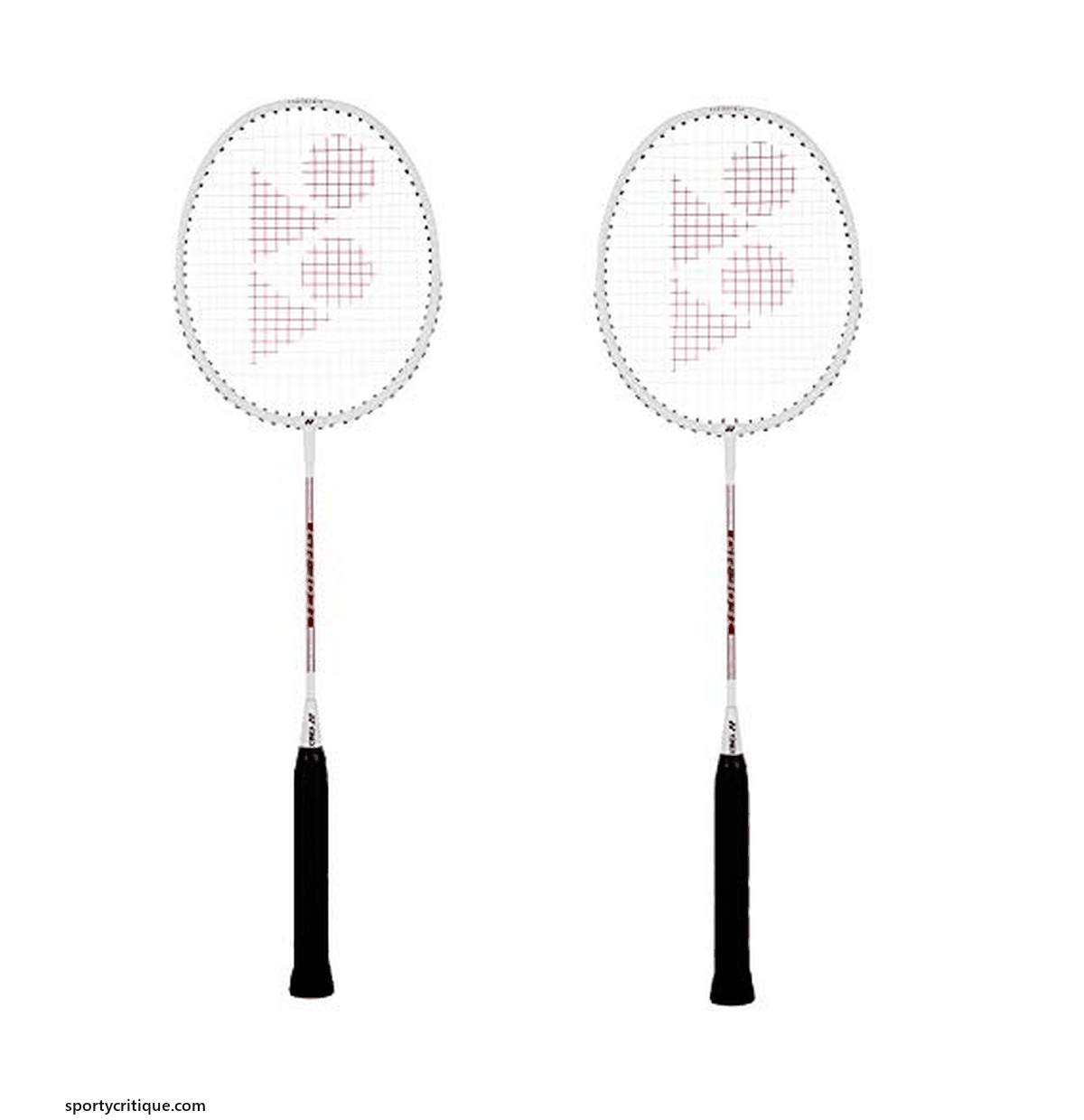
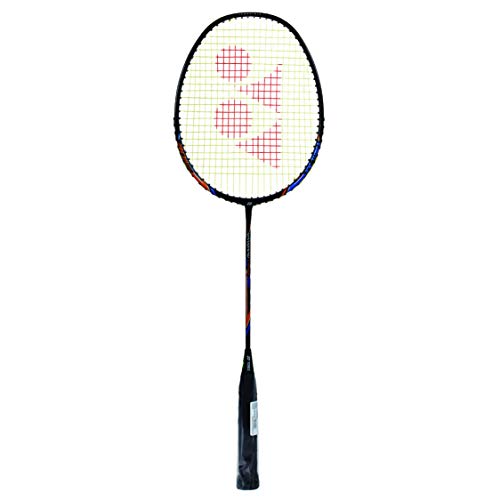
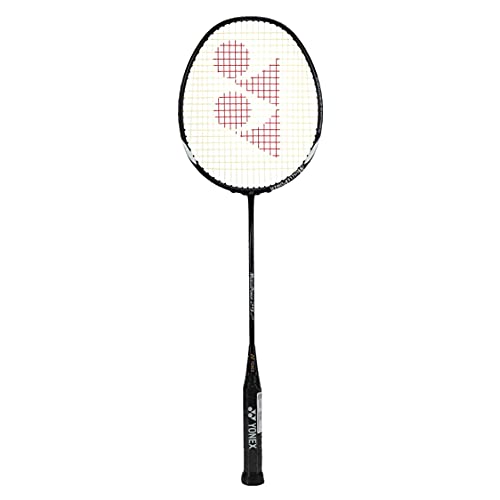
The YONEX GR303 Aluminum Blend Badminton Racquet with Full Cover is an aluminum-blend frame rather than the carbon graphite construction used in this site’s performance-tier picks, which keeps the price accessible while still delivering the even, forgiving balance beginners actually need. It ships with a full racket cover, a small but genuinely useful detail for a first racket that’s likely to get tossed in a bag without much care. Being a Yonex product also means reasonably consistent build quality at this price point compared to less established brands in the same range.
Aluminum-blend construction is worth understanding honestly: it’s heavier and less responsive than a full carbon graphite frame, which is a real limitation as your skill develops, but it’s also more durable against the occasional mishit or accidental ground contact that’s common while learning. That tradeoff, some performance ceiling in exchange for forgiveness and durability, is exactly right for a first racket.
A group or family option
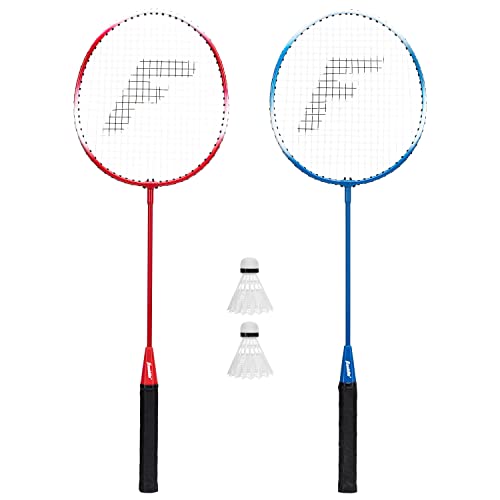
If you’re outfitting more than one beginner at once, a kids’ badminton club, a family backyard setup, or a group of friends learning together, the AboveGenius Badminton Racket Set of 6 for Beginners is a practical option: six lightweight rackets plus shuttlecocks, explicitly positioned for beginners in the listing itself. It won’t match the single-racket build quality of the Yonex pick above, but for group or backyard use where rackets inevitably get shared, dropped, and swapped between players, that tradeoff makes sense financially.
⚠️ Watch out: Resist the pull toward a more “advanced-looking” racket because it’s marketed as higher performance. A head-heavy or extra-stiff racket in a beginner’s hands typically produces worse results and a more frustrating learning experience than a properly even-balanced beginner frame, regardless of price or brand prestige.
Who this actually fits
- ✓You’ve played fewer than a handful of times or are picking up the sport for the first time
- ✓You’re buying for a child or a group just starting to learn
- ✓You want a racket that forgives off-center contact while your swing develops
- ✓You’re not yet sure which specific playing style, power, control, or all-around, suits you
- ✕You’ve been playing regularly for months and have a consistent swing, see our other guides instead
- ✕You already know you favor a specific style and want to specialize now
- ✕You’re buying for competitive youth training rather than casual or first-time play
- ✕You want maximum performance and are willing to accept a steeper learning curve for it
Grip size for first-time players
Grip size is easy to overlook on a first racket but genuinely affects how quickly a beginner develops comfortable technique. Most adult beginner rackets ship in a G4 or G5 size, which fits most adult hands reasonably well out of the box. For a child or someone with smaller hands, sizing down or building up a thin overgrip rather than gripping too far down the handle on an oversized grip helps develop correct hand position from the start, rather than learning around a grip that doesn’t actually fit.
💡 Pro tip: Have a new player hold the racket in a relaxed handshake grip and check that there’s a small gap, roughly the width of a finger, between their fingertips and the base of their palm when wrapped around the handle. Too little gap usually means the grip is too thick for their hand.
When to upgrade past a beginner racket
There’s no fixed timeline, but a reasonable signal is when you start to notice a consistent preference during play, reaching for backcourt power over net precision, or the reverse, and your mishits become the exception rather than a regular occurrence. At that point, the even-balanced beginner racket that served you well starts actively capping the specific skill you’ve developed, and it’s worth moving to one of the more specialized rackets covered elsewhere on this site rather than staying on a beginner frame out of habit. For most recreational players who play once or twice a week, this transition tends to happen somewhere between six months and a year of regular play, though players training more frequently often reach that point sooner.
String tension for beginners
Most beginner rackets ship pre-strung at a moderate factory tension, usually somewhere in the low-to-mid 20s in pounds, and that’s a reasonable starting point worth leaving alone for your first several months of play rather than something to immediately customize. Lower tension gives more trampoline effect off the strings, adding free power that partly compensates for a beginner’s still-developing swing speed, which is exactly the help a new player benefits from. Restringing to a higher, more control-oriented tension before you’ve developed consistent technique tends to remove that free power without giving you anything useful in return, since you can’t yet generate the swing speed that higher tension is meant to reward.
Once you notice you’re consistently overhitting clears past the back line, a sign your swing has developed more power than the strings’ trampoline effect can comfortably handle, that’s a reasonable point to consider restringing tighter rather than doing it preemptively on a new racket.
Sizing rackets for kids and smaller players
Adult-sized rackets, even lightweight beginner ones, are often actually too long and too heavy for younger children to swing with proper technique. Junior rackets exist specifically for this, typically shorter in overall length and lighter in weight than the adult range covered elsewhere in this guide, and they’re worth seeking out by age or height rather than assuming a “lightweight” adult racket is automatically appropriate for a child. A racket that’s too long for a young player’s reach and strength tends to produce exactly the same problems a mismatched head-heavy racket produces in an adult: sluggish swings and poor technique habits that can be harder to correct later than to avoid from the start.
For teenagers and adults of smaller stature, the standard adult beginner range covered in this guide is still usually appropriate, height matters less than age and grip strength for racket sizing at that point, but it’s still worth checking a racket’s listed length against your own if you’re notably shorter than average.
Common early mistakes worth avoiding
Beyond racket choice itself, a few habits tend to slow down beginners more than the equipment does. Gripping the handle too tightly at all times, rather than relaxing the grip between shots and tightening only at contact, tires the forearm quickly and reduces actual racket head speed rather than increasing it, since a death grip restricts the wrist snap that generates real power. Standing too flat-footed instead of staying on the balls of the feet also shows up early and limits how quickly a player can react to the next shot, regardless of how forgiving the racket itself is. Neither of these is a gear problem, and no racket choice covered in this guide fixes them, but they’re worth knowing about early since they compound with an unfamiliar racket to make the first few sessions feel harder than they need to.
Bottom line
A beginner racket’s job is forgiving an undeveloped swing, not rewarding an advanced one, which is why even balance, moderate weight, and a larger sweet spot matter more here than any performance spec. Start here, put your energy into learning solid technique, and upgrade to a specialized racket once you actually know which style of play your game is settling into. Resist the temptation to buy for the player you hope to become in a year, and instead buy for the player learning the fundamentals today. The specialized rackets covered elsewhere on this site will still be there once your swing is consistent enough to actually benefit from them.
What racket weight is best for a beginner?
Generally 85-100 grams. Light enough to control comfortably during a long session, but not so light that the racket feels unstable or flimsy on contact.
Should beginners avoid carbon graphite rackets?
Not strictly, but aluminum or aluminum-blend rackets are usually more durable and more affordable for a first racket, which matters while you’re still learning and more likely to mishit or drop the racket.
Is an even-balanced racket really better than a head-heavy one for beginners?
Yes, in most cases. A head-heavy racket rewards a fast, consistent swing a beginner hasn’t developed yet, and can feel sluggish and hard to control by comparison. Even balance is more forgiving while technique is still developing.
When should I upgrade from a beginner racket?
Once you notice a consistent playing style preference and your mishits become occasional rather than regular. At that point a specialized racket suited to your actual style will likely outperform a beginner frame.
As an Amazon Associate, we earn from qualifying purchases through links on this page.