Best Horse Riding Helmets for Beginners and Everyday Riders

The best horse riding helmet is one that meets a recognized safety standard and fits your head correctly. In the United States, look for ASTM and SEI certification, which means the helmet was tested to the ASTM standard for equestrian helmets and certified by the Safety Equipment Institute. Three options whose listings state certification are the Troxel Sport 2.0, the TuffRider Starter, and the Ovation Deluxe Schooler. Measure your head, try the helmet on, and do not buy by price or color alone.
A riding helmet is one of the few pieces of horse gear where the only sensible choice is the one that is certified and fits well. Looks, brand, and price all matter less than those two things. This guide explains what the certification means, how to measure and check fit, and which options we could verify from their live listings.
Table of Contents
Impact & Ergonomic Utility
Assess athletic gear loading and biomechanical fit.
- →Choose a helmet certified to the ASTM standard for equestrian use and the SEI mark
- →Fit matters as much as certification, so measure and try the helmet on
- →A helmet that has been in a hard fall should be replaced, even if it looks fine
- →Alberta Agriculture suggests replacing a helmet every three to five years, depending on use
- →Check the certification label inside the helmet, not only the product listing
What ASTM and SEI Certification Mean
ASTM is the organization that writes the technical standard for equestrian helmets. SEI, the Safety Equipment Institute, is an independent body that certifies helmets against that standard. Alberta Agriculture notes that protective headgear accepted by equine sport organizations in Canada must be certified to a recognized standard, and it lists ASTM and SEI among them.
Certification does not mean a helmet is injury proof. It means the helmet passed a defined test in a lab. A well-fitted, certified helmet is still the standard recommendation for anyone who rides, and riding schools, camps, and many competitions require one.
⚠️ Watch out: Bicycle helmets, skate helmets, and fashion riding hats are not substitutes for an equestrian helmet certified to the right standard. Check for the ASTM and SEI label inside the helmet before you ride.
How to Measure Your Head
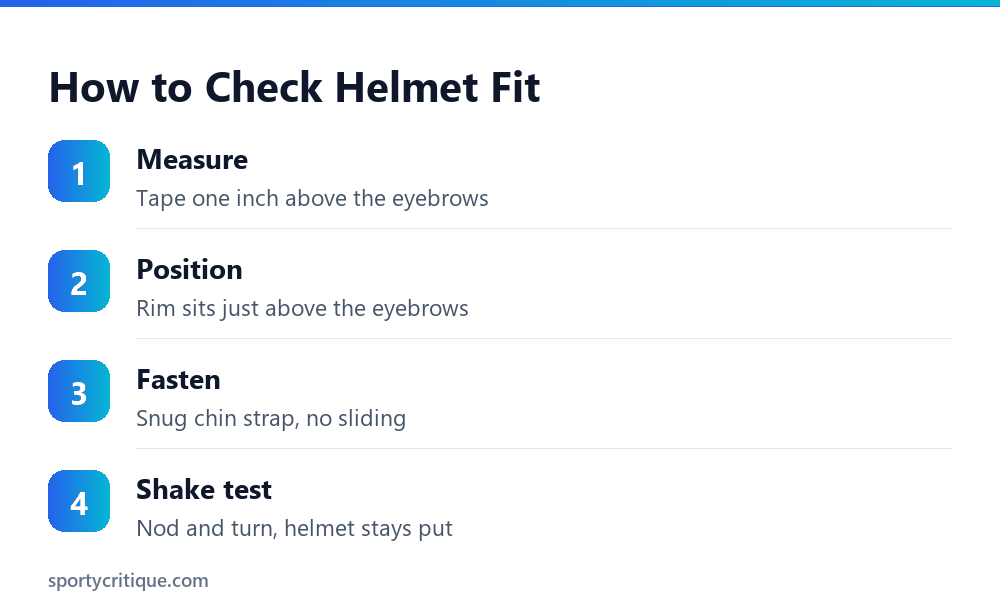
Use a soft tape measure. Wrap it around your head about one inch above your eyebrows, in line with where the helmet will sit, and keep it level around the back. Read the number to the nearest half inch, then compare it with the maker’s size chart.
Sizing differs between brands. One brand’s medium may feel snug on a head that fits another brand’s large, so use each maker’s own chart. Several listings also give a size range in inches or centimeters, which is a better guide than the letter size alone.
💡 Pro tip: Measure two or three times and use the largest number. A tape that slips down at the back gives a reading that is too small.
3 Certified Options, Compared
📊 Note: We only included helmets whose Amazon listing states a certification. Other helmets sold on Amazon may well be certified too, but this guide covers only listings that say so in their own text. Always confirm the certification label on the helmet itself.
How We Chose These Three
Each helmet was checked against its live Amazon listing for current price, stock, and the features it states. We did not wear or crash-test them, so the notes reflect what the listings say. We included only helmets whose listing text states a certification and that were in stock when checked.
The list covers a budget option, a lesson-oriented option, and a dial-fit option. It does not include competition helmets, which often cost far more and may have specific rules. If you compete, check your discipline’s rulebook for helmet requirements.
Checking the Fit Once It Arrives
Put the helmet on with the rim sitting just above your eyebrows, not tipped back on your head. Fasten the chin strap so it sits close to your chin without choking you, and adjust the harness or dial until the helmet feels snug all around.
Then test it. Move the helmet from side to side and up and down. It should move your skin rather than slide over it. Bend forward and shake your head gently, and the helmet should stay put. If it presses painfully, or if it presses on your ears, try a different size or shape.
Alberta Agriculture says the brim should sit no more than one inch above the eyebrows. A helmet that sits far back exposes the forehead, and one pulled too low can block your view.
Helmet Do’s and Don’ts
- ✓Check the certification label inside the helmet
- ✓Measure your head and use the maker’s own size chart
- ✓Replace a helmet after a hard fall or impact
- ✓Wash the liner and keep the helmet out of hot cars
- ✕Buy a used helmet when you cannot know its history
- ✕Wear a bicycle helmet for riding
- ✕Ride with a loose chin strap
- ✕Ignore a helmet that rocks or slides on your head
When to Replace Your Helmet
Replace a helmet after any hard impact. Alberta Agriculture suggests replacing a helmet every three to five years, depending on use and wear, and the materials can age with sweat, sunlight, and heat. Follow the manufacturer’s guidance for your model if it differs.
Cracks, a loose harness, a frayed strap, or padding that has gone flat are also reasons to replace the helmet. A helmet that no longer fits snugly because the padding has compressed is not doing its job.
Helmets for Children
Children grow quickly, so check the fit each season. Look for a helmet certified to the same standard and sized for a child’s head, and make sure the harness adjusts enough to hold it securely. Several of the helmets in this guide are sold in a range of sizes, so check the size chart on the listing.
Never buy a helmet a child will grow into. A helmet that is too big slides and cannot protect. Replace it when the child has outgrown it, and replace it after any significant fall.
Caring for Your Helmet
Wipe the shell with a damp cloth and mild soap, and wash a removable liner according to the maker’s instructions. Let it air dry out of direct heat. Heat and harsh chemicals can damage the materials, so avoid leaving a helmet in a hot car or cleaning it with solvents.
Store the helmet in a bag or on a shelf where nothing will crush it, and never hang it by the chin strap where it can stretch. Treat it as protective equipment, not a hat to toss in the tack room.
Ventilation, Weight, and Comfort
Comfort affects whether you actually wear a helmet on a hot day. The listings above mention seven vents on the Troxel Sport 2.0 and four on the TuffRider Starter, and the Ovation lists high-flow venting. More vents are not automatically better, but a helmet that stays cooler is easier to keep on for a long lesson or a trail ride.
A removable, washable liner also helps, since sweat builds up fast. Try the helmet on at home for at least ten minutes to see whether it creates pressure points.
Hair, Hats, and Headgear Under the Helmet
Long hair is easier to manage in a low bun or braid than a high ponytail, which can push the helmet out of position and make the fit check misleading. Try the helmet on with your hair styled the way you will ride, because a change in hairstyle can change how the helmet sits.
Avoid wearing a thick hat or heavy hood under the helmet when you test fit. If you ride in cold weather, look for thin headwear designed to go under a helmet, and recheck the fit with it on, since extra layers can make the helmet looser or tighter than it feels in summer.
Buying Used or Borrowing a Helmet
A used helmet is a gamble, because you cannot know whether it has been dropped hard, stored in a hot car, or worn through a fall. Damage inside the foam is often invisible, so a helmet that looks perfect can still be compromised.
Borrowing a helmet for a single lesson is common at riding schools and is usually fine if the school keeps its helmets certified and in good repair. For regular riding, a helmet of your own that has been fitted to your head is the better choice.
Questions to Ask Before You Buy
Before you order, ask a few simple questions. Does the listing state the certification, and can you confirm the label on the helmet when it arrives? What is the size range in inches or centimeters, and does it match your measurement? Is there a return policy if the fit is wrong?
A good barn instructor or tack shop employee can also fit a helmet in person, and many riders try helmets on in a store, then buy the same model that fits. If you order online, keep the packaging until you are sure the fit is right.
Which Style Suits Your Riding?
Schooling helmets with a short visor and plenty of vents suit lessons, arena work, and casual riding. Trail riders often prefer a helmet with a slightly longer brim to shade the eyes, and good ventilation for warm weather. The helmets in this guide fit the schooling and everyday category.
Competition riders should check their discipline’s rules before buying. Some require specific colors or styles, and some require a particular standard for competition, so a helmet that is fine for lessons may not be accepted at a show.
Budget and Value Considerations
A certified helmet does not have to be expensive. The three here run from about $38 to about $63, and a higher price often buys extra styling, a different fit system, or extra venting rather than a different certification level. A well-fitted entry-level certified helmet is a better choice than an ill-fitting premium one.
Do not skimp on the part that matters, which is the certification and the fit. If your budget is tight, ask your barn or riding school about helmet loans while you decide, and consider buying new rather than used.
Frequently Asked Questions
What does ASTM SEI certified mean on a riding helmet?
ASTM writes the equestrian helmet standard and SEI independently certifies that a helmet meets it. Look for the label inside the helmet.
How should a riding helmet fit?
Snug all around, with the rim just above the eyebrows, the chin strap fastened close to the chin, and no sliding when you nod or shake your head.
How do I measure my head for a riding helmet?
Wrap a soft tape about one inch above your eyebrows, keep it level, and read to the nearest half inch, then compare with the maker’s size chart.
How often should I replace a riding helmet?
Replace it after any hard impact. Alberta Agriculture suggests replacing it every three to five years, depending on use.
Can I use a bike helmet for horseback riding?
No. Use a helmet certified for equestrian use, and check for the ASTM and SEI label.
Are cheap riding helmets safe?
A certified helmet that fits correctly meets the same standard whatever the price. Higher prices often buy style or fit features, so confirm certification, not just cost.
The right helmet is certified, correctly sized, and worn on every ride. Measure carefully, check the label, try it on, and replace it when it has taken a hit or aged out. Everything else, from color to brand, comes after that.
As an Amazon Associate, we earn from qualifying purchases through links on this page.