Best Horse Riding Helmets Safety Certified: ASTM F1163, SEI, MIPS Rotational Protection, Dial-Fit Adjustment, and Thermal Ventilation

Equestrian sports present distinct biomechanical risks unmatched by other athletic endeavors. A rider sits roughly nine to ten feet above the arena footing atop an unpredictable thousand-pound animal traveling at speeds reaching thirty miles per hour. A sudden spook, buck, refuse, or stumble can launch the rider headfirst into dirt footing, solid timber jumps, arena fence rails, or iron stirrup hardware. Medical research demonstrates that severe brain trauma represents the single leading cause of equestrian hospitalizations and fatalities, with traumatic brain injuries accounting for roughly sixty percent of equestrian deaths.
A certified equestrian riding helmet is not merely an optional accessory—it is an indispensable life-saving device engineered to decelerate the skull, disperse kinetic energy, and mitigate devastating rotational brain shear forces. Selecting the correct helmet requires a comprehensive understanding of third-party safety certifications (such as ASTM F1163 and SEI testing), rotational MIPS liners, linear EPS crush core mechanics, harness anchorage geometry, and strict replacement cycles. This guide evaluates top certified equestrian helmets across dressage, show jumping, eventing, and endurance disciplines.
Table of Contents
Safety Standards Dissected: ASTM F1163, SEI, PAS 015, and VG1
Never ride in an uncertified novelty hat or a helmet lacking verified third-party laboratory credentials. Certified equestrian headgear undergoes rigorous dynamic impact testing across multiple independent standards:
ASTM F1163 and SEI Certification (North America): Established by the American Society for Testing and Materials and independently monitored by the Safety Equipment Institute (SEI). Testing involves dropping the helmet onto flat anvils and sharp equestrian hazard anvils (simulating horseshoes and jump edges) at high drop velocities, ensuring the peak acceleration transmitted to the headform remains safely below 300 g forces.
PAS 015:2011 (British Standard): Widely recognized as one of the most demanding equestrian safety protocols worldwide. In addition to linear drop impacts, PAS 015 incorporates a severe penetration test where a steel conical dart is dropped from height onto the helmet crown to ensure hoof spikes cannot pierce the outer shell.
VG1 01.040 (European Standard): Developed as the baseline European certification following EN 1384 revisions, testing impact energy absorption, lateral crush resistance against horse trampling, and chin strap retention strength under sudden outward shear loads.
Top Certified Equestrian Riding Helmets: Technical Comparison Matrix
| Helmet Model | Safety Certifications | Rotational Brain Protection | Shell Construction & Retention | Primary Equestrian Discipline |
|---|---|---|---|---|
| Charles Owen Ayr8 Plus | ASTM F1163-15, PAS015:2011, VG1 | High-Density Crush EPS Core | Low-profile microfiber shell, 6-point GRpx harness | Show jumping, dressage, eventing hunt seat |
| One K Defender MIPS | ASTM F1163-15, SEI Certified, CE EN | Integrated MIPS Low-Friction Layer | Injection-molded polycarbonate shell, padded harness | Hunter/jumper, schooling, dressage competition |
| Tipperary Sportage Helmet | ASTM F1163-15, SEI Certified | Contoured EPS with rear drop-down coverage | High-impact ABS shell, rear reflective strip | Trail riding, eventing, schooling, endurance |
| GPA First Lady 2X Helmet | ASTM F1163-15, CE VG1 01.040 | Dual-density EPS with 2X retention | Carbon composite shell, wide sun brim visor | High-level show jumping, FEI competition |
| Troxel Sierra All-Around Helmet | ASTM F1163-15, SEI Certified | High-grade shock absorbing EPS core | Rugged leather finish, SureFit Pro dial system | Western riding, trail adventures, ranch work |
Top Certified Equestrian Riding Helmets: Expert Reviews
1. Charles Owen Ayr8 Plus: The definitive standard in international show jumping, hunter divisions, and formal dressage arenas. Handcrafted in Great Britain, the Ayr8 Plus holds triple certification (ASTM F1163, PAS015, and VG1). Its low-profile styling features a microfiber side wrap with a mesh central channel. The patented GRpx harness anchors securely beneath the occipital bone using leather webbing, providing complete stability without pinching.
2. One K Defender MIPS: Combining high-tech rotational brain protection with modern equestrian aesthetics. The Defender integrates an authentic MIPS low-friction liner with an injection-molded polycarbonate shell over high-density EPS foam. Featuring five front intake vents and rear exhaust channels, it keeps riders cool during summer showing while providing proven angled impact dissipation.
3. Tipperary Sportage Helmet: An enduring favorite for eventing cross-country, endurance trail riding, and daily barn schooling. The Sportage is distinguished by its extended rear drop-down shell architecture, providing exceptional coverage to the lower occipital bone and upper cervical spine. Its lightweight high-impact ABS construction and prominent front vents deliver top-tier airflow.
4. GPA First Lady 2X Helmet: The choice of elite European show jumpers and grand prix riders. The First Lady 2X features an iconic wide sun brim visor engineered to shield the face and eyes from blinding arena sun and sudden rain. Its carbon composite shell and 2X retention harness cradle the back of the neck with ergonomic precision.
5. Troxel Sierra All-Around Helmet: Tailored for Western disciplines, trail riding, and ranch work. Wrapped in rugged distressed leather and matte accents, the Sierra utilizes Troxel’s SureFit Pro dial-adjustment system to achieve an exact cranial fit over bandanas or varying hairstyles. Certified ASTM/SEI protection packaged in authentic Western styling.
Impact Physics: Linear Deceleration vs MIPS Rotational Shear Mitigation
Understanding head injury biomechanics reveals why modern helmet technology has evolved beyond basic foam shells:
Linear Impact Mechanics: When a rider falls directly flat onto their forehead or crown, the expanded polystyrene (EPS) crush liner compresses microscopically. This controlled plastic deformation slows down the skull’s rate of deceleration, reducing the peak gravitational shock wave that causes skull fractures and catastrophic contusions.
Rotational Acceleration and Brain Shear: In reality, equestrian falls almost never occur at a perpendicular ninety-degree angle. Riders strike the ground with forward horizontal momentum while rotating through the air. This angled collision imparts violent rotational acceleration onto the head. The cerebrospinal fluid cannot stop the brain from twisting within the cranium, causing severe axonal stretching, diffuse axonal injury (DAI), and deep concussions.
The MIPS Solution: The Multi-Directional Impact Protection System (MIPS) incorporates an ultra-thin low-friction slip layer anchored by elastomeric dampers between the helmet’s comfort liner and the rigid EPS foam. During an oblique fall, the outer helmet rotates ten to fifteen millimeters independently around the head, redirecting rotational torque into sliding friction and dramatically lowering the shear strain transmitted into the cerebrum.
Visor Engineering: Fixed Peaks vs Breakaway Sun Brims
The visor or brim of an equestrian helmet serves both functional and biomechanical roles:
The Hazard of Rigid Protruding Peaks: In older traditional velvet hunt caps, stiff reinforced peaks were molded directly into the fiberglass frame. When a rider falls face-first, a rigid peak digs into soft turf or sand footing, acting as a high-leverage crowbar that wrenches the head backward, causing severe hyperextension of the cervical vertebrae. Modern cross-country eventing rules prohibit rigid peaks entirely, requiring smooth skull caps fitted with flexible silk covers.
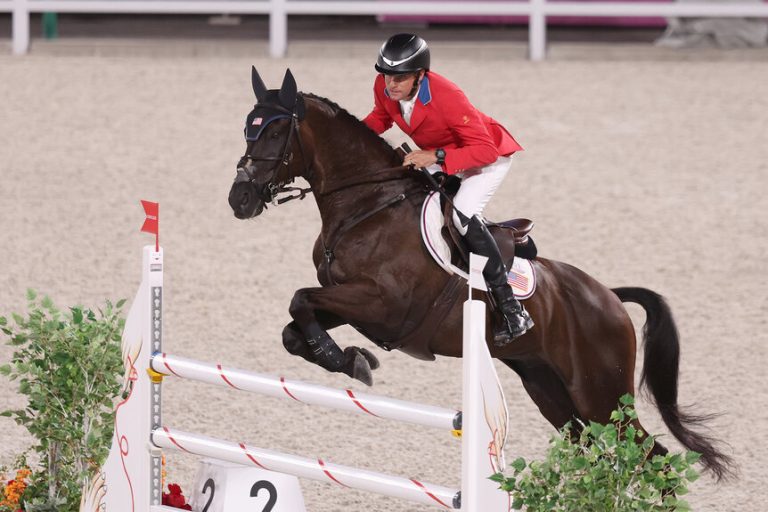
Engineered Breakaway Mechanisms: Modern competition helmets with built-in peaks—such as wide sun brims popular in show jumping—utilize breakaway clips or ductile thermoplastic resins. Under impact force, the peak either flexes completely flat or shears away cleanly from the main shell, allowing the rider’s helmet to slide across the ground without snagging.
Fit Geometry: Round Oval vs Long Oval Cranial Contours
A helmet cannot protect your brain if it shifts or wobbles upon impact:
Cranial Shape Variations: Human head shapes generally fall into two dominant profiles: round oval (wider ear-to-ear) and long oval (longer front-to-back from forehead to occiput). Brands specialize in specific internal shapes; for example, Charles Owen traditionally crafts classic oval geometries, while Troxel and Tipperary accommodate broader, rounder head shapes.
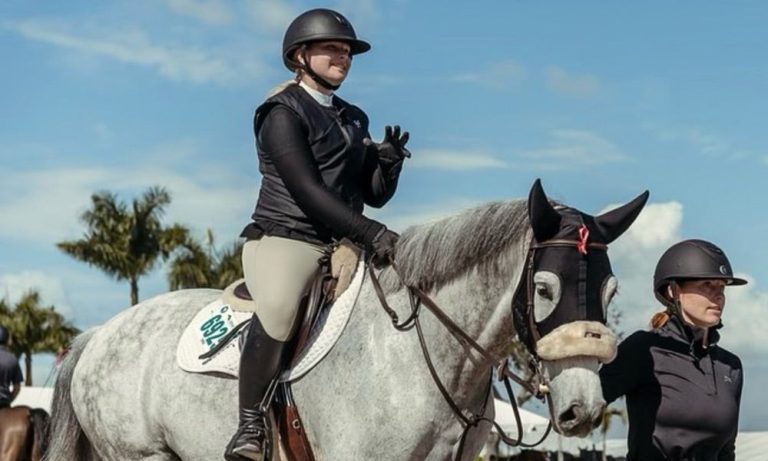
Eyebrow Height and Field of View: Position the helmet so that the front rim sits exactly one inch (approximately two fingers’ breadth) above the rider’s eyebrow ridge. If the helmet sits too high on the forehead, the frontal lobes remain completely exposed during forward falls. If it sits too low, the brim obstructs upward vision when riding forward seat over jumps.
The Shake Test: Before fastening the chinstrap, shake your head up and down and side to side. A correctly fitted helmet should remain firmly locked to the scalp, moving the skin of your forehead along with it without sliding, tilting, or causing painful pinch points.
Hairstyles and Safety: Why Buns Under Helmets Are Dangerous
How an equestrian styles their hair significantly alters helmet safety and retention efficacy:
The Danger of Crown Hair Buns: A persistent equestrian habit is piling long hair into a tight bun directly on top of the head under the helmet. This practice is extremely hazardous. A hard hair knot introduces a high-density lump between the skull and the EPS crush core. In an impact, this hard ball focuses shock directly into the parietal bone rather than allowing the EPS liner to crush evenly. Additionally, as the bun shifts during riding, the helmet loosens and tilts backward, leaving the forehead exposed.
Recommended Hair Alignment: Safety standards recommend gathering hair into a low ponytail or flat braid secured at the nape of the neck beneath the helmet harness, or utilizing a specialized thin equestrian hairnet that holds hair flat against the skull without adding focal volume.
Retention Harness Architecture and 4-Point Anchoring
The retention harness keeps the helmet secured during the violent physics of a rotational fall:
4-Point and 6-Point Harness Systems: Equestrian helmets utilize multi-point harness webbing that anchors securely at the temple sides, behind the ears, and along the lower occipital bone. This prevents the helmet from pivoting backward off the forehead during a face-first ejection.
Chinstrap Positioning and Tension: The chinstrap buckle must sit snugly beneath the chin, not resting over the point of the jawbone. Adjust the tension so that one finger can slide comfortably between the strap and the throat. When swallowing or speaking, the strap should feel comfortably snug without restricting breathing.
Thermal Ventilation and Removable Moisture-Wicking Liners
Riding in high summer heat demands effective heat dissipation to prevent dizziness and heat exhaustion:
Active Airflow Channels: Advanced equestrian helmets integrate forward-facing mesh intake vents that scoop ambient air during forward movement. This air is channeled through molded ventilation grooves carved directly into the interior EPS crush liner, drawing hot air and sweat vapor across the scalp before exhausting it out the rear vents.
Removable Coolmax Liners: Modern helmets incorporate removable, machine-washable interior liners constructed from moisture-wicking Coolmax or silver-ion anti-microbial fabrics. Routine washing eliminates sweat salt crystals and scalp oils that would otherwise degrade the inner foam core and harbor unpleasant odors.
Environmental Degradation and Proper Helmet Storage
Where and how you store your riding helmet directly impacts its protective lifespan:
Vehicle Trunk Heat Traps: Never store an equestrian helmet inside a parked car trunk, horse trailer tack room, or direct sunlight behind a glass window. Temperatures inside a closed vehicle trunk easily exceed one hundred and forty degrees Fahrenheit (sixty degrees Celsius). Extreme thermal exposure softens the structural polycarbonate resins, delaminates exterior glues, and permanently compromises the micro-cellular expansion of the EPS foam core without leaving visible external signs.
Protective Padded Bags: Keep your helmet stored in a padded, breathable helmet bag at room temperature away from agricultural chemicals, fly sprays, and ammonia fumes from barn stalls, all of which degrade synthetic plastics over time.
System Safety Synergy: Protective Vests, Air Jackets, and Stirrups
While a certified helmet protects the cranial vault, modern equestrian safety operates as an integrated system across personal gear:
Synergy with Inflatable Air Vests: Many modern show jumping and eventing riders pair ASTM-certified helmets with inflatable CO2 air jackets. When unseated from the saddle, a lanyard triggers instantaneous vest inflation around the neck and torso. The high inflated neck collar stabilizes the base of the helmet, preventing severe cervical whiplash and lateral neck hyperflexion without impeding helmet rotation.
Quick-Release Safety Stirrups: In rotational falls, getting an iron stirrup caught on a riding boot can drag a fallen rider under galloping hooves. Magnetic and breakaway safety stirrups release foot entrapment immediately, ensuring the rider is cleanly detached so the helmet and body protector can absorb ground contact unobstructed.
Mandatory Replacement Rules: Single Impacts and 5-Year Expiration
Understanding the life cycle of protective headgear is vital for equestrian safety:
Immediate Retirement After Any Fall: The protective EPS foam inside an equestrian helmet is engineered for single-impact compression. Once crushed by a fall, the micro-cells do not bounce back. Even if the exterior shell appears spotless with zero visible scratches, the structural safety barrier has been compromised. Replace the helmet immediately following any fall where your head struck the ground or a jump obstacle.
The Five-Year Expiration Standard: Environmental factors—including ultraviolet solar radiation, heat exposure inside horse trailers, sweat acidity, and ambient humidity—gradually break down the structural resins and polystyrene integrity. All major safety organizations and manufacturers mandate replacing riding helmets five years from the initial date of purchase, or sooner if subjected to rigorous daily training in extreme climates.