Best Basketball Return Systems and Rebounders for Solo Practice: 180-Degree Chutes, Net Capture Tension, Wind Stability, and Repetition Volume

The path to becoming an elite basketball shooter is governed by simple arithmetic: volume of purposeful repetitions. Great shooters — from Stephen Curry to Klay Thompson — built their muscle memory through hundreds of thousands of identical catch-and-shoot repetitions. Yet for the solitary player practicing on a driveway or local park court, standard shooting practice is frustratingly inefficient. Without a teammate to rebound and pass, a solo athlete spends over sixty percent of their time chasing loose balls across asphalt, retrieving rebounds from neighbor’s flower beds, or jogging to half-court after missed jump shots.
A solo player chasing their own rebounds averages barely 150 to 200 shots in a grueling one-hour workout, with cardiovascular fatigue setting in from sprinting after errant balls rather than executing shooting mechanics. Investing in the best basketball rebounder for solo practice transforms that equation completely, compressing 600 to 800 game-speed repetitions into the same sixty-minute training window. Understanding return chute geometry, net capture tension, rim mounting safety, and arc training mechanics ensures you select the optimal training equipment to build a lethal jump shot.
Table of Contents
Repetition Density Physics: Transforming Solo Practice Efficiency
To grasp the performance impact of a ball return system, one must examine the neuromuscular science of shooting motor learning:
Motor Pattern Consolidation: Neurological research confirms that motor cortex myelination — the biological process of insulating neural pathways that creates effortless muscle memory — accelerates when repetitions occur in rapid, rhythmic succession. When four to five seconds elapse between shots (the standard rhythm provided by a return ramp), the brain retains the precise proprioceptive feedback of the previous release, allowing immediate micro-adjustments in fingertip pressure and wrist snap. When twenty seconds of ball chasing separate attempts, that tactile memory decays, forcing the motor system to reboot on each repetition.
Conditioning vs Form Integrity: Chasing missed shots across a driveway taxes the anaerobic energy system erratically. As fatigue mounts, shooting mechanics break down: elbow flares outward, legs fail to provide vertical lift, and release points drop. A quality return system lets the player maintain a steady, aerobic shooting rhythm, preserving mechanical form integrity through hundreds of consecutive jumpers.
True Catch-and-Shoot Muscle Memory: A major flaw of solo practice is the “gather-and-shoot” habit: picking a stationary ball up off the asphalt or spinning the ball to oneself with lazy forward roll. A gravity return chute or feeding ramp feeds the ball directly into the player’s shooting pocket with game-speed velocity, allowing the shooter to practice true 1-2 footwork, dip mechanics, and rapid elevation identical to catching a live pass from a driving guard.
Top Basketball Return Systems & Rebounders: Technical Comparison Matrix
| Rebounder Model | Return Architecture & Angle | Shot Repetition Rate (Shots/Hour) | Frame Mounting & Wind Stability | Arc Training & Net Capture | Amazon Recommendation |
|---|---|---|---|---|---|
| iC3 Basketball Shot Trainer | Overhead capture net with dual gravity return ramp | Up to 800 shots/hr (300% increase over manual) | Steel frame rests on rim & backboard arms (sandbag ballast) | Enforces 45-degree optimal shooting arc | Check iC3 Shot Trainer Price (Best Full-Surround Shooting Trainer) |
| SKLZ Kick-Out 360-Degree | 360-degree rotating directional gravity chute | Up to 400 shots/hr (quick manual swivel adjustment) | Quick-snap rim hooks with heavy-duty plastic chute | Returns made shots; open rim for natural ball trajectory | Check SKLZ Kick-Out Price (Best Rim-Mounted Chute Value) |
| Spalding Backboard Ball Return | Fixed forward return chute with directional fin | Up to 300 shots/hr (focused on free throw line) | Direct rim clamp with snap-together chute sections | Durable molded polypropylene for driveway play | Check Spalding Return Price (Best Budget Driveway Return) |
| Goalrilla Silverback Yard Guard | Full perimeter backstop net with ground stakes | Continuous shooting retention (keeps balls on court) | Clamps to in-ground steel pole; folds against backboard | Stops missed balls from rolling into traffic or bushes | Check Goalrilla Yard Guard Price (Best Driveway Backstop & Safety Net) |
| Dr. Dish iC3 Commercial System | High-capacity funnel net with motorized feed track | Up to 1,200 shots/hr with automated passing arm | Heavy-duty wheeled steel cart with folding cage | Computer-programmed multi-spot perimeter passing | Check Dr. Dish Price (Best Elite Commercial Shooting Machine) |
System Architecture: Chutes vs Capture Nets vs Perimeter Backstops
Basketball return systems fall into three distinct structural categories, each catering to specific court environments and skill levels:
1. Rim-Mounted Directional Chutes: Exemplified by the SKLZ Kick-Out 360-Degree and Spalding Return. These units clamp or hook directly beneath the rim net. When a shot swishes through the cylinder, a curved polypropylene chute catches the ball and redirects it back onto the court. The SKLZ Kick-Out incorporates a rotating collar with an integrated handle, letting the shooter swivel the chute to feed balls to the top of the key, right wing, or left baseline. Rim chutes are compact, install in seconds, and store easily in a car trunk, but they only return made baskets; missed shots still require manual retrieval.
2. Full Overhead Net Capture Systems: Exemplified by the iC3 Basketball Shot Trainer. This comprehensive system features a tubular steel cage supporting high-tensile netting that envelops the backboard, rim, and sides of the key. It captures both made shots and missed rebounds off the rim, funneling them into an adjustable dual-ramp gravity track that rolls the ball smoothly back to the perimeter. This delivers the highest repetition density outside of multi-thousand-dollar motorized shooting machines.
3. Perimeter Backstop Nets (Yard Guards): Exemplified by the Goalrilla Silverback Yard Guard. Rather than feeding balls directly back into the player’s hands, these wide netting wings clamp to the main basketball pole and extend eight to ten feet on either side of the backboard. They act as a defensive barrier, stopping missed perimeter bricks from ricocheting into parked vehicles, neighbor’s fences, or downhill roadways, keeping missed balls safely within the court boundaries.
Arc Enhancement: How Capture Nets Force a 45-Degree Trajectory
One of the most profound hidden benefits of overhead capture systems like the iC3 is automated trajectory correction:
The Geometry of Rim Entry: A regulation basketball has a diameter of roughly 9.5 inches, while a basketball rim measures 18 inches across. When a ball enters the rim on a flat 35-degree trajectory, the apparent target opening perceived by the ball shrinks to roughly 10.3 inches — leaving virtually zero margin for error. When the ball arrives at a steep 45-to-48 degree angle, the apparent target opening expands to nearly 13 inches, dramatically boosting shooting percentage and yielding soft, forgiving rim bounces.
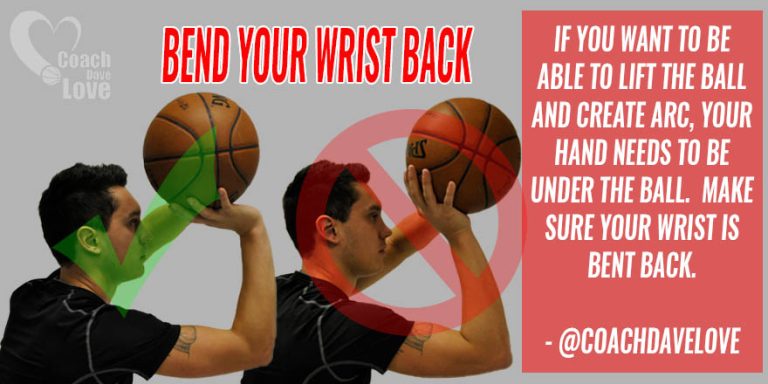
Physical Arc Barriers: The front capture net of the iC3 extends upward in front of the rim. If a shooter releases a flat, line-drive jumper, the ball strikes the front netting barrier, rejecting the shot before it can reach the rim. The player is physically compelled to lift their release point, drive upward with their lower body, and release with high arc to clear the net frame, building textbook form through physical feedback.
Mounting Safety, Rim Torque, and Wind Stability
Securing a mechanical apparatus to a basketball goal requires careful consideration of structural loads and weather forces:
Breakaway Rim Spring Fatigue: Modern residential goals feature spring-loaded breakaway rims designed to flex downward under heavy dunk loads. Rim-mounted chutes like the SKLZ Kick-Out weigh under three pounds and apply negligible static load. However, players must avoid pulling down on the chute or hanging on the plastic assembly, which can fatigue the internal springs and cause the rim to sag below official 10-foot regulation height.
Wind Resistance and Ballast: Large overhead net systems act as large sails during windstorms. The iC3 includes dedicated rear counterweight trays that rest behind the backboard. When installing an overhead net system on an outdoor driveway, always weigh the base arms down with forty to fifty pounds of sandbags or vinyl water weights. Never leave large net systems deployed during thunderstorms or sustained winds exceeding twenty-five miles per hour.
Top Solo Basketball Rebounder Evaluations
1. iC3 Basketball Shot Trainer: The definitive training tool for dedicated solo athletes. Capturing both made and missed shots, the iC3 triples your shooting repetition volume, delivering up to 800 practice shots per hour. Its gravity-fed dual return track rotates 180 degrees to pass balls anywhere along the three-point arc, while the raised front net structure forces shooters to develop a textbook 45-degree shooting arc. Compatible with most 54-inch, 60-inch, and 72-inch backboards.
2. SKLZ Kick-Out 360-Degree Ball Return: The most practical and affordable return chute on the market. Featuring durable molded plastic and quick-snap rim clips, the Kick-Out attaches to any regulation basketball rim in under thirty seconds. An integrated rotation handle lets you effortlessly swivel the chute to return made baskets to spot-up shooters anywhere on the court. Outstanding for free throw repetition and perimeter catch-and-shoot rhythm.
3. Spalding Backboard Ball Return System: A rugged, budget-friendly gravity chute that mounts directly to the underside of the rim. Constructed from UV-resistant heavy-duty plastic, the Spalding chute directs made shots back toward the free throw line. It provides solid durability against all-weather driveway exposure at an accessible price point.
4. Goalrilla Silverback Yard Guard: The premier backstop safety net for driveway installations. Spanning over ten feet across behind the backboard, the Yard Guard keeps errant shots on the blacktop, protecting parked cars and landscaping while saving players countless minutes spent retrieving missed balls from ditches or traffic. When not in use, the net folds neatly against the main pole.
5. Dr. Dish iC3 Commercial System: The ultimate motorized shooting machine for high school programs, training facilities, and elite private gyms. Featuring high-capacity collection netting, an automated motorized passing arm, and programmable passing cadences, Dr. Dish fires up to 1,200 passes per hour across multiple court locations, taking player development to professional levels.
Structured Workout Protocols: Maximizing Rebounder Utility
To extract maximum shooting improvement from your ball return system, implement structured interval drills rather than unstructured casual shooting:
The 5-Spot 100-Make Challenge: Position your return track toward the right corner. Execute twenty made jumpers from the corner, immediately rotate the chute to the right wing for twenty makes, continue to the top of the key, left wing, and left corner. With a high-speed return system, this 100-make workout can be completed in twelve to fifteen minutes of high-intensity, game-speed footwork.
Free Throw Pressure Sets: Dial in your free throw routine by utilizing a rim chute. Shoot five sets of ten free throws, demanding complete focus on identical pre-shot routines and release mechanics. The immediate ball return allows you to maintain muscle memory without walking to retrieve the ball between shots.
Weather Protection and Off-Season Storage: To prevent UV embrittlement of synthetic netting, spray the net fabric once per season with a specialized outdoor fabric UV protectant. During winter months, unclip the netting and store it in a dry garage to prevent heavy ice accumulation from tearing seams.
Net Tension Dynamics and Rebound Deadening Mechanics
The mesh composition and stringing tension of capture netting govern whether incoming rebounds settle gently into the feeder track or catapult wildly across the court:
Knotless Polypropylene Netting: High-performance capture trainers utilize knotless high-tenacity polypropylene (HTPP) netting. Traditional knotted nylon nets concentrate impact stresses at fixed knots, causing localized thread snapping under high-velocity misses. Knotless mesh distributes kinetic impact energy evenly across interconnected diamond cells, absorbing ball velocity instantaneously and allowing errant shots to slide softly down the funnel ramp.
Damping Elastic Bungee Rands: The perimeter of quality capture cages is suspended by heavy-duty elastic bungee cords anchored to the steel frame. These elastic shock absorbers yield three to four inches upon ball strike, dissipating ball momentum without creating a springboard rebound effect that could launch the basketball backwards over the shooter’s head.
Gravitational Incline Physics: Ramp Velocity and Catch Timing
The return ramp geometry determines how the basketball travels from beneath the rim back to the perimeter shooter:
The 18-to-22 Degree Incline Window: Return ramps require precise incline angles. If the track angle is under fifteen degrees, friction slows the rolling basketball, causing it to stall before reaching the three-point line. If the angle exceeds twenty-five degrees, gravity accelerates the ball excessively, causing it to bounce violently out of the track upon exit. Premium systems feature adjustable telescoping ramp arms that allow players to calibrate return velocity to match their individual catch-and-shoot timing.
Dual-Track Alignment for True Roll: Instead of flat sheet-metal troughs, advanced rebounders utilize dual tubular steel rails spaced five inches apart. This dual-rail channel cradles the basketball along its seams, preventing lateral wobbling and delivering a clean, true-rolling pass directly into the shooter’s hands with predictable chest-high trajectory.