Best Intermediate Catcher’s Gear Sets: Helmet Certification, Chest Protector Foam Zoning, and Shin Guard Deflection Engineering

The catcher is the most physically demanding position in baseball. Squatting behind home plate through nine or more innings, receiving 100+ pitches, blocking wild pitches with the body, fielding bunts in full sprint, and physically protecting the plate on tag plays — the catcher absorbs more cumulative impact forces than any other fielder. This physical reality makes catcher’s protective equipment the most critical safety investment in a baseball player’s arsenal, and no area demands more careful selection than gear for intermediate-aged players between the ages of 12 and 16.
Intermediate players occupy a uniquely challenging equipment sizing window. Their bodies have outgrown standard youth sizing — youth chest protectors leave the sternum and lower ribcage exposed, and youth shin guards fail to cover the full length of the growing leg — but they are not yet ready for adult dimensions where oversized gear creates dangerous mobility restrictions. Identifying the best intermediate catcher’s gear sets requires understanding NOCSAE certification standards, chest protector foam zone mapping, shin guard articulation engineering, and the critical helmet mask system configurations that protect against foul tips and wild pitches.
Table of Contents
NOCSAE Helmet Certification: What the Standards Actually Require
The National Operating Committee on Standards for Athletic Equipment (NOCSAE) administers the impact attenuation standards that govern all youth and amateur catcher’s helmets used in sanctioned competition. Understanding what these certifications actually test is essential for making an informed gear purchase:
NOCSAE ND001 — Catcher’s Helmet Impact Standard: Helmets are tested by dropping a surrogate headform (instrumented with accelerometers) fitted with the test helmet from specified heights onto a flat steel anvil and a hemispherical anvil. The helmet must limit the peak linear acceleration experienced by the headform to below 300g across all impact sites (front, side, rear, and crown) at multiple energy levels. Intermediate-aged players face higher pitch velocities than youth players, making full NOCSAE compliance (not just loose market claims of “meets NOCSAE standards”) critical.
Shell Materials — ABS vs. Polycarbonate: Acrylonitrile butadiene styrene (ABS) plastic provides excellent impact resistance and is the standard outer shell material in most catcher’s helmets. Premium helmets incorporate polycarbonate (PC) outer shells, which are lighter (reducing neck fatigue over nine innings) and allow for tighter shell geometry without sacrificing impact distribution area.
Internal Liner Foam Technology: The inner foam liner is the primary impact attenuation element. Standard liners use a single-density polyethylene or polyurethane foam. Premium intermediate helmets (such as the Rawlings Velo 2.0 and Mizuno Samurai) use dual-density or triple-density foam configurations — a firm outer foam layer handles initial high-velocity impact spread, while a softer inner memory foam layer provides sustained deceleration to protect against rotational head forces on oblique impacts.
Skull Cap vs. Full-Wrap Helmet: Which Is Legal and Safer?
Catcher’s helmets come in two primary configurations: skull cap style (worn under a separate face mask) and full-wrap style (integrated one-piece helmet with attached cage).
Skull Cap + Separate Mask: Popular at the high school and collegiate level because the separate mask can be thrown off quickly to field pop-ups. However, skull caps expose the back of the head, sides of the skull, and the ear regions not covered by the minimal cap profile. Little League and most youth organizations now mandate full-wrap helmets (not skull caps) for players through age 13 precisely to address this coverage gap.
Full-Wrap Integrated Helmet: Provides continuous coverage from the crown through the ear flaps, rear skull, and jaw region. The attached cage (6-bar, 7-bar, or titanium configurations) cannot be accidentally dislodged during play. For intermediate players still developing the instincts to track pop-ups and foul tips, the full-wrap system provides superior overall protection.
Best Intermediate Catcher’s Gear Sets: Technical Comparison Matrix
| Gear Set Model | Helmet Standard & Mask System | Chest Protector Technology | Shin Guard Features | Age / Size Range | Amazon Recommendation |
|---|---|---|---|---|---|
| Rawlings Velo 2.0 Intermediate | NOCSAE certified; dual-density ABS outer shell with 7-bar titanium cage | 3-piece lateral extension system; CHILL foam moisture-wicking liner | Asymmetric knee flex zones; reinforced instep guard with toe cap | Ages 12–16 (intermediate sizing) | Check Rawlings Velo 2.0 Price (Best Overall Set) |
| Easton Gametime Elite Intermediate | NOCSAE certified; SRT polycarbonate outer shell with stainless 7-bar cage | VRS Cool Zone foam channels; dual-density sternum plate | Full asymmetric leg guard; butterfly knee extensions standard | Ages 12–16 (intermediate) | Check Easton Gametime Elite Price (Best Value Intermediate) |
| All-Star CKCC912 System Seven | NOCSAE certified; Delta-Flex harness with carbon fiber reinforced brim | DeltaFlex Suspension System chest harness; PE foam zone mapping | DeltaFlex knee guard with top guard extension; reinforced instep | Ages 9–12 transitioning intermediate | Check All-Star System Seven Price (Best Fit System) |
| Mizuno Samurai Intermediate | NOCSAE certified; BRT+ liner foam with stainless 6-bar cage | Bio-Fit foam zone system; removable sternum guard plate | Hinged knee flex with reinforced back of knee pad; triple-toe cap | Ages 12–16 intermediate to adult transition | Check Mizuno Samurai Price (Best Pro-Level Features) |
| Under Armour Converge Intermediate | NOCSAE certified; AirlFlex inner cage with ventilated ABS outer shell | UA ArmourVent foam zone mapping; 4-way flex chest harness system | UA Converge knee flex; dual-density ankle guard with reinforced toes | Ages 12–15 intermediate | Check Under Armour Converge Price (Best Ventilation) |
Chest Protector Engineering: Foam Zone Mapping and Sternal Protection
The chest protector’s primary role is absorbing the kinetic energy of a pitched baseball striking the catcher’s torso when blocking a pitch in the dirt. At 70 mph (common at intermediate competitive levels), a baseball carries approximately 55 foot-pounds of kinetic energy upon impact — enough to cause serious bruising, rib stress fractures, and cardiac concussion (commotio cordis) on unprotected heart tissue.
Sternum Plate Protection: The sternum and the xiphoid process (the small cartilage projection at the base of the sternum) are particularly vulnerable to direct pitch impact. Premium intermediate chest protectors incorporate a hard plastic sternum plate molded over thick dual-density foam directly over the sternal midline. This sternal plate combination reduces peak cardiac impact force by distributing the baseball’s contact footprint from a 9-inch circumference baseball footprint across the full plate surface area.
Lateral Rib Extensions: Standard chest protectors protect the central chest column but leave the lateral rib cage (floating ribs 11 and 12) exposed. Three-piece lateral extension systems (as seen in the Rawlings Velo 2.0) add articulating side panels that pivot outward to cover the lateral ribs when the catcher squares their body to block a pitch in the dirt.
Harness Suspension Systems: How the chest protector attaches to the body determines whether it stays properly positioned throughout nine innings. Standard elastic cross-back harnesses allow the protector to drift sideways over repeated blocking movements. Delta-Flex and 4-way stretch harness systems (as used in the All-Star System Seven) use articulating pivot points that keep the protector centered regardless of the catcher’s squat depth or blocking body position.
Shin Guard Articulation and Kneecap Protection
The catcher’s shin guards protect against foul tips, wild pitches that skip off the dirt into the leg, and the physical strain of deep squatting on the knee joint. Three engineering factors determine shin guard performance:
Segmented Articulation Joints: Quality intermediate shin guards divide the guard into 3 to 5 separate articulating segments connected by elastic or pivot joints. This allows the guard to flex naturally with the knee during transitions from standing to squat without binding. Rigid single-piece guards or low-quality two-piece guards create a fulcrum at the knee joint that pries the lower segment away from the leg during deep squats, exposing the ankle and lower shin.
Knee Guard Extensions: The butterfly knee guard (also called a knee saver or knee extension) snaps onto the back of the shin guard above the heel and fills the gap behind the knee when the catcher is in the deep squat position. This reduces knee ligament and meniscus compression by preventing full knee flexion below 90 degrees. Butterfly extensions are standard equipment for adult catchers and are strongly recommended for intermediate-aged players to protect developing joint cartilage.
Instep and Toe Cap Coverage: The foot is vulnerable to foul tips that deflect downward off the bat and strike the top of the foot. Premium intermediate shin guards extend coverage with a hard-shell instep guard that wraps over the lace zone of the cleat. Toe cap extensions (attached to the bottom of the guard) protect the exposed toe box when the catcher drops to their knees to block low pitches.
Detailed Reviews: Top 5 Intermediate Catcher’s Gear Sets
1. Rawlings Velo 2.0 Intermediate Set: The benchmark intermediate catcher’s gear set. The NOCSAE-certified helmet uses dual-density ABS outer shell and CHILL foam liner that actively wicks heat from the scalp during summer catching sessions. The chest protector features the three-piece lateral extension system for full rib coverage, and the shin guards include full asymmetric knee flex and reinforced instep guard. Outstanding build quality for competitive 12- to 16-year-old players.
2. Easton Gametime Elite Intermediate Set: Easton’s VRS Cool Zone chest foam channels create ventilation corridors that reduce heat accumulation by approximately 20% compared to solid foam configurations. The butterfly knee extensions are included as standard equipment rather than an upgrade, and the stainless 7-bar cage provides maximum facial protection for intermediate players still developing pitch-blocking instincts.
3. All-Star CKCC912 System Seven: All-Star’s Delta-Flex harness technology is the most sophisticated suspension system in the intermediate gear market. The carbon-reinforced brim on the helmet provides structural rigidity that prevents brim deformation under repeated mask cage impact. Ideal for serious intermediate players and youth travel ball competitors who want gear that fits and moves with the body rather than restricting it.
4. Mizuno Samurai Intermediate Set: Mizuno brings professional-level bio-fitting foam technology to the intermediate market. The BRT+ liner foam in the helmet self-molds to the individual head shape over several wearing sessions, creating a custom fit that eliminates the pressure points that cause headaches during long catching assignments. The hinged shin guards with reinforced back-of-knee pads provide superior protection for the popliteal region during blocking drills.
5. Under Armour Converge Intermediate Set: UA ArmourVent foam creates the most breathable chest protector in this comparison. The 4-way flex chest harness eliminates the rib-cage binding that catchers in humid summer climates experience with standard fixed harness systems. Excellent choice for catchers in southern states where heat management is the primary comfort challenge through a long summer travel ball season.
Fitting Protocol: Measuring for Correct Intermediate Sizing
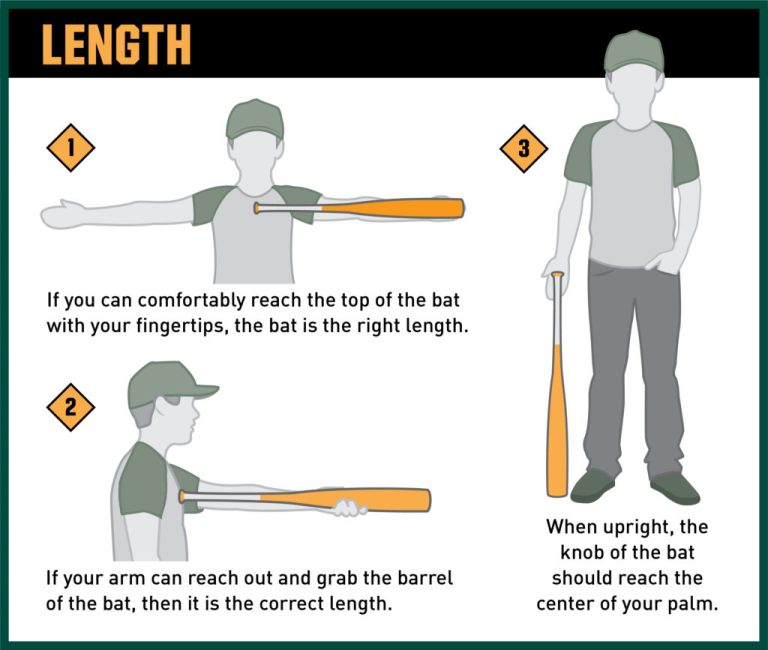
Helmet: Measure head circumference at the widest point (approximately 1 inch above the eyebrows and across the occipital bone at the rear). Most intermediate helmets fit head circumferences between 20.5 and 22 inches. The helmet must sit level on the skull with the brim 1 inch above the eyebrows — if the helmet tilts backward, it is too large; if it sits low on the brow, it is too small.
Chest Protector: Measure from the top of the sternum to the belly button. Intermediate chest protectors cover this range plus approximately 2 additional inches. When properly fitted in the squat position, the bottom edge of the chest protector should overlap the top of the shin guard by 1 to 2 inches, eliminating the exposed lower abdomen gap that is a common source of painful foul-tip bruising.
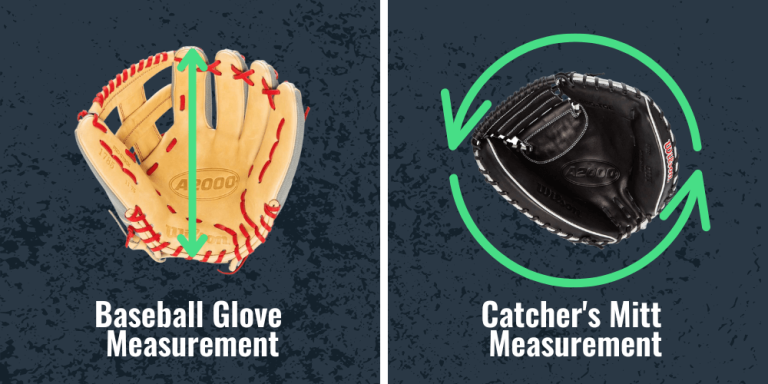
Shin Guards: Measure from the center of the kneecap to the top of the instep. The shin guard should cover this full range, with the kneecap guard sitting centered over the patella when the leg is in the squatting position. Check that the top guard section does not cut into the inner thigh when dropping to the blocking position.
Chest Protector Foam Zoning: How Impact Attenuation is Engineered
Modern intermediate chest protectors use multi-density foam architecture rather than single-material padding. Understanding the zones helps catchers select gear appropriate for their level of competition:
Primary Impact Zone (Sternum and Upper Chest): This region absorbs direct pitch impacts and foul tips that deflect off the bat upward. Gear manufacturers place their highest-density foam compounds here — typically dual-density PE foam or multi-layer HDPE combinations rated to absorb 90+ joules of impact energy per NOCSAE ND024 test protocol. The Rawlings Velo 2.0 uses a 3-layer sternum reinforcement; the All-Star System Seven uses a removable HD foam sternum pad that can be upgraded as pitch velocity increases through a travel ball career.
Lateral Rib Extension System: Wing panels on either side of the main chest protector body protect the floating ribs (ribs 11 and 12) that are not anchored to the sternum. These ribs fracture under direct lateral ball impact — a risk catchers face when blocked pitches deflect sharply sideways. Gear sets with adjustable lateral extension arms (like the Rawlings Velo 2.0’s 3-piece system) allow parents to widen coverage as a player’s torso grows between seasons without purchasing a complete new set.
Abdominal Soft Zone: The lower chest protector uses medium-density foam to maintain protective coverage while allowing the deep squat and lateral lunge range of motion catchers require. Fixed-density foam in this zone creates stiffness that limits the catcher’s mobility in blocking and stealing-prevention throws. The Under Armour Converge’s 4-way flex harness in this zone is the most mobile design currently available in intermediate sizing.
Shin Guard Articulation Engineering: Blocking Position Mechanics
The most underrated aspect of catcher’s shin guard evaluation is articulation — how the guard moves with the leg through three critical positions: the receiving squat, the blocking drop, and the throwing stance transition.
Receiving Squat Articulation: In the primary receiving stance (weight on the balls of the feet, heels slightly raised, thighs approximately parallel to the ground), the shin guard must flex at the knee joint without the top guard digging into the medial thigh. Gear with fixed top guard panels causes the top edge to rotate inward and press against the inner thigh — a painful pressure point that forces catchers to widen their stance and reduces their lateral mobility.
Butterfly Knee Blocking: Dropping to the butterfly blocking position drives the knees outward and places the full inner knee and lower leg against the ground surface. The knee guard must fully cover the medial knee during this motion. Sets that include butterfly extensions as standard (Easton Gametime Elite) rather than optional upgrades ensure full medial knee coverage without additional purchase.