Best Tennis Shoes for Women: Verified Court Performance Picks

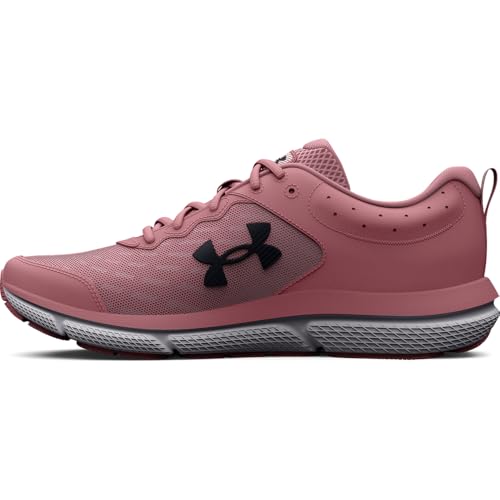
Finding real tennis shoes for women, meaning shoes actually built for on-court lateral movement rather than generic athletic sneakers, comes down to three verified picks below, each checked for live price and stock rather than assumed.
🎾 Tennis Hub: Explore all 51 racket reviews, court shoes, and scoring rules in our Complete Tennis Resource Hub.
For actual on-court play, the best tennis shoes for women prioritize lateral support and outsole traction over general athletic styling. Among currently verified options, the ASICS Women’s Gel-Resolution X ($181.71) is the strongest performance pick for regular hard-court play, the New Balance Women’s FuelCell 796v5 ($81.10) is the best value for club-level players, and the adidas Women’s Barricade ($129.90) splits the difference with a stiffer, more durable build. Stock on all three was limited at the time of writing, so check current availability before you commit to a size.
A running shoe and a tennis shoe for women look similar on a shelf and behave completely differently on a court. Running shoes are built for forward motion; a hard sprint into a wide forehand in one is a fast way to roll an ankle. This guide only covers shoes built for that lateral movement, meaning quick side steps, sudden stops, and the kind of directional changes that define an actual point, not a jog around the block.
- →Court tennis shoes need reinforced lateral support panels that running shoes lack entirely
- →ASICS Women’s Gel-Resolution X is the strongest all-around pick for regular hard-court play
- →New Balance’s FuelCell 796v5 is the better value entry point for club-level or twice-a-week players
- →Outsole pattern should match your primary surface: herringbone for clay, a modified herringbone or duragrip for hard court
- →Women’s-specific tennis shoes run in a narrower heel and lower-volume forefoot than unisex sizing, so don’t just size down from a men’s shoe
Table of Contents
What actually separates a court shoe from a regular sneaker
Three things matter for tennis specifically: lateral containment, outsole grip pattern, and toe-drag durability. Lateral containment comes from a wider, reinforced platform under the midfoot that stops your foot from sliding off the footbed when you plant hard to change direction. A shoe without it will feel fine walking to the car and unstable the first time you actually load up a split step.
Outsole pattern is surface-specific. Hard courts need a durable, slightly coarser rubber compound that resists the abrasive concrete surface without wearing through in a season. Clay courts want a herringbone pattern that sheds loose material instead of packing it into the tread. Buying a hard-court shoe for clay, or the reverse, is one of the most common and avoidable mistakes in this category.
Our verified picks
Best overall: ASICS Women’s Gel-Resolution X
The ASICS Women’s Gel-Resolution X is priced at $181.71 as of this writing, with only a few units left in stock at that listing. It uses a dual-density midsole and a wraparound outrigger under the forefoot specifically to resist the kind of hard lateral loading a baseline rally produces. Reviewers consistently flag it as running slightly snug through the midfoot compared to earlier ASICS tennis models, so sizing up half a size is common advice worth following rather than guessing on.
This is the shoe for someone playing multiple times a week on hard courts who wants a dedicated performance build and is willing to pay for it. It is not the right pick for someone who plays occasionally and mainly wants comfortable athletic shoes that happen to work for tennis.
Best value: New Balance Women’s FuelCell 796v5 Tennis Shoe
The New Balance Women’s FuelCell 796v5 Tennis Shoe was listed at $81.10 with only one unit left at the time of checking, so availability moves fast on this one. It trades some of the Gel-Resolution X’s lateral stiffness for New Balance’s FuelCell foam, which gives a softer, more cushioned ride. For a club player who isn’t grinding out three-set matches every weekend, that trade is usually worth it: less structure, more comfort, and a meaningfully lower price.
Alternative build: adidas Women’s Barricade
The adidas Women’s Barricade landed at $129.90, also with limited stock in the listing we checked. adidas builds the Barricade line around a stiffer, more armored upper than either ASICS or New Balance use in this price range, which shows up as better durability against toe-drag but a slightly heavier overall feel. It’s the pick for a player who scuffs through shoes fast and wants the upper to outlast the midsole instead of the other way around.
Hard court, clay, or grass: does it change the pick
All three shoes above are built primarily for hard court, which is what most public and club courts in the US actually are. If you play mostly on clay, look specifically for a herringbone-pattern outsole variant of these same shoe lines rather than the hard-court version; wearing a hard-court outsole on clay wears unevenly and gives worse grip on slides. Grass-specific shoes are a separate, smaller category that none of the three picks above are designed for.
- ✓Buy based on your primary playing surface, not just brand loyalty
- ✓Size up half a size if you have wide or high-volume feet, especially with ASICS
- ✓Replace court shoes when the outsole tread flattens, even if the upper looks fine
- ✓Check current stock and price before ordering, since tennis shoe listings shift fast
- ✕Buy a running shoe and expect it to hold up to lateral court movement
- ✕Assume women’s sizing is just a men’s shoe half a size down; the last shape differs
- ✕Ignore surface-specific outsole patterns if you play primarily on clay
- ✕Wait until the sole is bald to replace them; traction degrades well before it looks worn
⚠️ Watch out: Several tennis shoe lines, including some ASICS models, run narrower through the forefoot than typical athletic sneakers. If you have a wider foot, check the brand’s own width guidance before ordering rather than assuming your usual sneaker size will fit the same way.
How this differs from a walking-focused tennis shoe
Everything in this guide is chosen for actual on-court lateral movement. If what you actually want is all-day comfort for walking, standing, or errands, a dedicated court shoe is the wrong tool. The extra lateral stiffness that protects your ankle mid-rally makes these shoes feel less cushioned underfoot over a full day of walking than a shoe built specifically for that purpose.
Sizing notes specific to women’s tennis shoes
Women’s-specific tennis shoe lasts are built narrower through the heel and lower in volume through the forefoot than a unisex or men’s last, not simply scaled down. If you’ve previously worn a men’s or unisex court shoe, don’t assume the equivalent women’s model in the same size will fit the same; check the brand’s specific size chart rather than converting by a flat half-size rule, which varies by brand.
💡 Pro tip: Try shoes on, or at least measure your foot, in the afternoon rather than the morning. Feet swell slightly over the course of a day, and a court shoe that fits snug in the morning can feel genuinely tight by the third set.
How long these shoes actually last
Outsole wear, not upper wear, is what ends a tennis shoe’s useful life for most players. A player hitting the court two to three times a week should expect a durable hard-court outsole, like the compound ASICS and adidas use in these picks, to hold up for roughly 45 to 60 hours of actual play before traction noticeably drops off. The New Balance FuelCell 796v5, built lighter and softer, tends to show outsole wear a bit sooner, closer to 35 to 45 hours, which is part of the trade-off for its lower price and softer ride.
Watch the outer edge of the forefoot specifically. That’s where a right-handed player’s drag on the follow-through of a forehand wears through fastest, and it’s usually visible well before the rest of the outsole looks worn. Once you can see the midsole foam through the outsole rubber at that spot, traction on hard sprints has already degraded even if the shoe still looks wearable overall.
If your size is out of stock
All three picks above showed limited stock in specific sizes when we checked them against the Amazon Creators API. That’s normal for tennis shoes, which split inventory across many size and color combinations rather than keeping deep stock in every variant. If your size shows unavailable, checking back within a few days often works, since Amazon and the brands restock these lines on a rolling basis rather than discontinuing a whole model over one sold-out size.
📊 Note: We’re not going to recommend a specific fourth or fifth product here just to pad this list. If all three verified picks above are sold out in your size when you check, that’s worth knowing honestly rather than us pointing you to an unverified alternative we haven’t actually checked pricing or stock on.
Bottom line
For most women playing regularly on hard courts, the ASICS Women’s Gel-Resolution X is the strongest verified pick if the price fits your budget. The New Balance FuelCell 796v5 is the better choice if you play less often or prioritize comfort over maximum lateral stiffness, and the adidas Barricade is worth considering specifically if durability against toe-drag has been a recurring problem with previous pairs. All three had limited stock when we checked, so confirm current availability and price before ordering.
What’s the best tennis shoe for women who play several times a week?
Among verified options, the ASICS Women’s Gel-Resolution X is the strongest pick for frequent hard-court play, thanks to its reinforced lateral support and durable outsole compound. It’s priced higher than the alternatives in this guide, which is a fair trade for players putting real mileage on their shoes.
Can I use a regular running shoe for tennis instead?
Not for actual match or drill play. Running shoes are built for forward motion and lack the lateral support panel that keeps your foot stable during quick direction changes. You can wear one for light rallying without much movement, but it increases ankle injury risk during real point play.
Do women’s tennis shoes really fit differently than men’s or unisex versions?
Yes. Women’s-specific lasts are narrower through the heel and lower-volume through the forefoot rather than simply a scaled-down men’s last. Check each brand’s own size chart instead of assuming a flat conversion.
How do I know if I should buy a hard-court or clay-court shoe?
Match the outsole to the surface you play on most. Hard-court outsoles use a denser, more abrasion-resistant rubber pattern; clay-court outsoles use a herringbone pattern that sheds loose clay instead of packing it into the tread. Using the wrong one hurts both grip and shoe lifespan.
Why does stock and price change so quickly on these listings?
Amazon tennis shoe inventory is split across many size and color variants under separate listings, so a specific size can sell out while the shoe overall remains available in other sizes. That’s why we noted live stock status rather than assuming it stays constant.
As an Amazon Associate, we earn from qualifying purchases through links on this page.