Best Volleyball Shoes for Setters: Lateral Quickness, Low Weight & Court Bite

In competitive volleyball, the Setter is the undisputed quarterback of the court. On every single rally, regardless of where an errant pass travels, the setter must sprint across 30 feet of hardwood, stop on a dime, pivot 180 degrees to face the target antenna, and deliver a pinpoint jump set to an attacker. While middle blockers demand heavy, armored shoes to cushion repeated vertical landings, setters require footwear engineered around three distinct biomechanical pillars: featherweight agility (under 10.5 ounces), instantaneous multidirectional court bite, and low-profile forefoot responsiveness.
Table of Contents
Biomechanical Demands of the Setting Position
To orchestrate an elite offense, a setter’s footwear must accommodate specialized movement patterns:
1. Multidirectional Sprint-and-Stop Deceleration: Setters rarely run in straight lines. They execute lateral crossover steps, backward drop-steps toward Zone 2, and forward dives into Zone 4 to chase shanked passes. A bulky, heavy shoe acts like an anchor on the foot. Lightweight shoes featuring curved heel geometries allow setters to transition smoothly from full sprint to abrupt plant steps without tripping.
2. Forefoot Pivot Mobility and Flex Grooves: When squaring up to the target, setters pivot off the ball of their left foot. Shoes with stiff, unbending soles resist this rotational torque, straining knee ligaments. Modern setter shoes incorporate deep diagonal flex grooves (such as Mizuno D-Flex Grooves) across the forefoot that allow the shoe to twist naturally with the foot, enabling razor-sharp 360-degree pivots.
3. Low-Profile Court Feel for Jump Setting: Jump setting speeds up the offensive attack tempo, robbing opposing middle blockers of time to close blocks. Because setters jump off a compact, two-foot plant on the balls of their feet, thick 30mm heel soles feel disconnected and wobbly. Low-profile midsoles place the foot closer to the hardwood, providing tactile sensory feedback and instantaneous upward spring.
Volleyball Shoes for Setters: Weight, Court Traction & Pivot Agility Matrix
| Shoe Model | Total Weight (Men’s Size 9 US) | Outsole Rubber & Pivot Point Design | Midsole Cushioning & Responsiveness | Lateral Support & Upper Mesh | Amazon Price & Recommendation |
|---|---|---|---|---|---|
| Mizuno Wave Lightning Z8 | 10.2 oz (Ultra-Lightweight) | PoWnCe Gum Rubber w/ D-Flex Groove | Mizuno Enerzy NXT Forefoot Foam | AirMesh integrated bootie upper | Check Amazon Price (Top Overall Setter Choice Worldwide) |
| Asics Netburner Ballistic FF 3 | 11.4 oz (Balanced Agility) | NC Rubber w/ TWISTRUSS pivot bridge | FlyteFoam Propel + Rearfoot GEL | 3D Space Construction flex ribs | Check Amazon Price (Best Stability on Jump Sets) |
| Asics Sky Elite FF 3 Low | 12.1 oz (Spring Catapult) | Wet Grip Rubber Outsole | FlyteFoam Propel + Curved Heel | DynaWrap lacing lockdown system | Check Amazon Price (Best for Offensive Attacking Setters) |
| Nike Air Zoom HyperAce 2 | 11.8 oz (Responsive Cushion) | Multi-directional herringbone gum rubber | Forefoot Zoom Air Unit | TPU heel cage with midfoot lockdown cage | Check Amazon Price (Best Lateral Lockdown & Heel Security) |
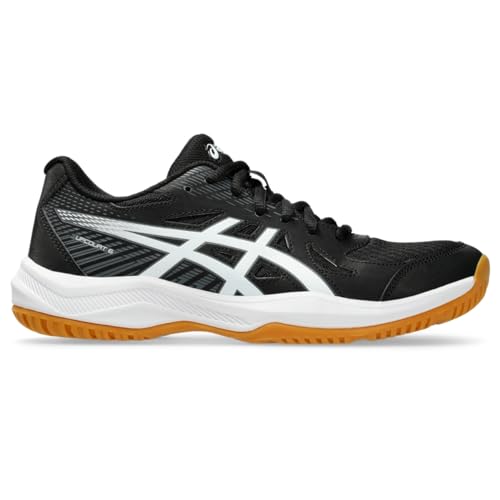
| Asics Upcourt 5 | 10.5 oz (Lightweight Entry) | Durable indoor gum rubber sole | Standard compression molded EVA | Breathable synthetic leather overlays | Check Amazon Price (Best Budget Under $65) |
Detailed Reviews: The Best Volleyball Shoes for Setters
1. Mizuno Wave Lightning Z8: The Undisputed Setter Gold Standard
The Mizuno Wave Lightning Z8 Volleyball Shoe is the most widely worn shoe by collegiate and international setters across the globe. Weighing an astonishingly light 10.2 ounces, the Z8 feels like an extension of your foot.
The Z8 features Mizuno’s next-generation Enerzy NXT foam embedded directly beneath the forefoot, delivering springy, instantaneous energy return on jump sets. Its iconic D-Flex Groove runs diagonally across the outsole, allowing you to pivot, plant, and sprint with zero lag. Combined with breathable AirMesh and an integrated bootie construction that eliminates chafing, the Wave Lightning Z8 is the premier weapon for playmaking setters.
2. Asics Netburner Ballistic FF 3: Elite Stability on Jump Sets
For setters who want a touch more structural support without sacrificing quickness, the Asics Netburner Ballistic FF 3 is a masterpiece. Engineered with FlyteFoam Propel cushioning and rearfoot GEL technology, this shoe cushions repeated jump sets while maintaining a low-to-the-ground court feel.
The Netburner Ballistic features Asics’ TWISTRUSS technology in the midfoot, which stabilizes the foot during fast rotational cutting movements without hindering forward flex. Its AHAR Plus rubber outsole outlasts standard gym rubbers, providing relentless grip on dusty tournament floors. For setters who also play front-row defense and block opposing outside hitters, the Netburner Ballistic provides the perfect hybrid of agility and protection.
3. Asics Sky Elite FF 3 Low: Top Pick for Offensive Setter-Hitters
In modern 5-1 and 6-2 offenses, setters frequently attack on the second contact, executing surprise setter dumps and high-flying tip shots over unsuspecting blockers. The Asics Sky Elite FF 3 Low is engineered for explosive vertical lift.
Developed with a curved heel design that converts forward sprint momentum into vertical elevation, the Sky Elite FF 3 adds measurable height to your jump set. While slightly heavier than the Mizuno Wave Lightning Z8, its responsive FlyteFoam cushioning and DynaWrap lacing lockdown make it the premier choice for athletic setters who dominate above the net tape.
4. Nike Air Zoom HyperAce 2: Superior Lockdown & Heel Security
The Nike Air Zoom HyperAce 2 is legendary for its locked-in chassis. Built around a rigid TPU heel counter and integrated midfoot support straps, the HyperAce 2 completely prevents internal foot slippage during violent sprint stops.
Equipped with a low-profile Zoom Air unit beneath the forefoot, this shoe provides bouncy, instantaneous feedback on quick push-offs. The durable multi-directional gum rubber outsole grips slick hardwood tenaciously, ensuring you never lose traction when lunging to save a pass off the scorer’s table.
5. Asics Upcourt 5: Best Budget Setter Shoe Under $65
Proving that high agility does not require a $140 investment, the Asics Upcourt 5 Indoor Court Shoe delivers reliable performance for under $65. Weighing just 10.5 ounces, the Upcourt 5 features lightweight synthetic leather overlays that support lateral cutting without adding excess bulk.
Its full gum rubber outsole provides dependable traction on indoor courts, while mesh underlays keep feet cool during long practice sessions. It is the premier choice for middle school and high school junior varsity setters developing their fundamental footwork patterns.
Footwork Mastery: The 3-Step Setting Plant
Equipping yourself with lightweight footwear allows you to execute textbook setting footwork without mechanical drag:
The Left-Right Foot Plant: As you arrive at the ball, plant your left foot first to absorb forward momentum, followed immediately by your right foot pointing directly toward the left antenna (Zone 4). Planting right-foot-forward naturally squares your hips and shoulders to the outside hitter, preventing you from drifting into the net or telegraphing back-sets to opposing blockers.
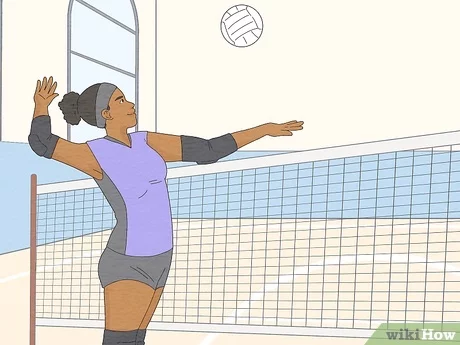
Toe-Spring Jump Setting: Push off evenly from the balls of both feet simultaneously. Extend through your ankles, knees, and hips in a smooth kinetic chain, releasing the ball at the apex of your jump with soft, quiet fingertips.
Forefoot Pivot Durability: Preventing Outsole Bald Spots
Volleyball setters subject their footwear to unique wear patterns compared to outside hitters. While hitters wear down the heel and lateral outrigger during broad jump approaches, setters wear down the medial forefoot—specifically beneath the ball of the big toe. Because setters pivot 180 degrees on their left foot hundreds of times per practice to face their hitters, friction rapidly grinds away soft gum rubber tread, leaving smooth bald spots that cause dangerous slips.
High-end setter shoes like the Mizuno Wave Lightning Z8 and Asics Netburner Ballistic FF 3 incorporate specialized rotational pivot rings and high-density rubber compounds (such as Asics AHAR Plus and Mizuno PoWnCe rubber) directly beneath the first metatarsal head. This reinforced pivot zone outlasts standard gum rubber by over 60%, maintaining sharp traction through grueling multi-day tournament weekends.
Jump Setting Fatigue Reduction: Midsole Energy Return Across 5 Sets
During a marathon five-set volleyball match lasting over two hours, a starting setter executes between 70 and 110 jump sets in addition to running 2.5 miles chasing down transitional balls. As leg fatigue accumulates in the fourth and fifth sets, setters begin setting from their heels, degrading jump height and telegraphing set locations to opposing blockers.
Footwear equipped with resilient high-rebound foams (such as Mizuno Enerzy NXT and Asics FlyteFoam Propel) acts like a secondary spring for the calf and Achilles tendon complex. Midsole energy return rates exceeding 75% reduce the eccentric muscular effort required for consecutive jump sets, keeping your hands high and your offensive attack tempo lightning-fast when the match is on the line.
Court Dust Management and Sole Traction Restoration
Slick gymnasium dust is the primary enemy of setter agility. Even a microscopic layer of wood floor dust filling the rubber siping causes setters to slip when making emergency split-second plants. Keep a sticky traction board (such as a Slipp-Nott pad) near your team bench to strip dust off your outsoles between rotations, or wipe your soles with a damp towel to reactivate the natural tackiness of the gum rubber.
Insole Orthotics and Ankle Brace Clearance for Setters
Setters who wear lightweight lace-up ankle braces (such as the McDavid 195) should ensure their shoes feature removable insoles. Removing the stock insole creates vertical volume inside the shoe, preventing top-of-foot numbness while allowing custom orthotic arch supports to stabilize the foot during rapid directional changes.
Heel-Lock Lacing Technique for Zero Internal Foot Slide
When sprinting to dig an errant pass near the net post and planting violently on your right foot, forward inertia forces your foot toward the toe box. Using the extra eyelet to tie a runner’s loop lock anchors your heel securely in the rear cup, eliminating toe jamming and black toenails.
Lateral Forefoot Cushioning and Metatarsal Shock Absorption
While middle blockers land heavily on their heels, setters take hundreds of rapid, short hops on their metatarsal heads. Premium setter footwear incorporates targeted gel or air pods beneath the first and fifth metatarsals, cushioning the delicate ball-of-foot joints against repetitive stress fractures and turf-toe inflammation.
Shoe Rotation Strategy for Multi-Day Tournaments
During three-day national qualifiers playing six to eight matches, the microscopic foam cells inside performance midsoles take up to 24 hours to fully decompress after heavy sweat and impact. Rotating between two identical pairs of shoes (wearing Pair A on Friday/Sunday and Pair B on Saturday) ensures maximum foam bounce and extends the structural lifespan of both pairs.
Midfoot Torsion Shank Mechanics: Carbon Fiber vs. Molded TPU
When a setter changes direction instantaneously—sprinting toward the right sideline to retrieve a shanked pass and digging their cleats into the court—the midfoot arch experiences immense torsional twisting torque. Without rigid midfoot stabilization, the shoe twists along its longitudinal axis, risking plantar fascia sprains and midfoot collapse.
Elite setter footwear features engineered midfoot torsional shanks. The Mizuno Wave Plate utilizes an undulating Pebax resin chassis running from the rearfoot into the midfoot, distributing impact force while resisting twist. Similarly, Asics employs the TWISTRUSS and Trusstic TPU bridge system under the arch. These rigid structural plates channel lateral braking force directly into forward acceleration, allowing setters to push off with absolute confidence.
Emergency Dive Recovery: Toe Drag and Bumper Abrasion Resistance
Setters frequently execute barrel rolls, pancake digs, and knee-slide saves when chasing tight balls off the net. As the setter slides across the hardwood, the top and medial sides of the toe box drag along the court surface under heavy friction. In cheap running shoes or basic sneakers, this drag quickly burns holes through lightweight mesh, splitting the upper seams.
Dedicated setter shoes incorporate reinforced synthetic leather toe caps, high-density rubber toe bumpers (such as Mizuno Dura Shield), and thermo-welded TPU film overlays across high-wear zones. This protective armor shields delicate mesh fibers from floor burn, keeping your shoes structurally intact throughout an intense varsity or club season.
Asymmetric Single-Leg Jump Set Landings and Kinetic Chain Protection
In fast-paced 6-2 or 5-1 offensive schemes, setters rarely enjoy the luxury of landing cleanly on both feet simultaneously. Tight sets that drift dangerously close to the net require the setter to leap laterally, release the ball at peak elevation, and absorb impact on a single lead leg to avoid drifting over the centerline into opposing blockers’ landing space.
Footwear engineered with decoupled heel geometries and segmented rearfoot shock absorbers (such as Asics Rearfoot GEL and Mizuno Parallel Wave) isolates the single-leg landing strike. By attenuating the sharp deceleration spike before it travels up the kinetic chain, these specialized crash pads protect the setter’s patellar tendons, meniscus, and lumbar spine from chronic repetitive trauma.