Best Tennis Shoes for Running: The Real Hybrid Trade-Off

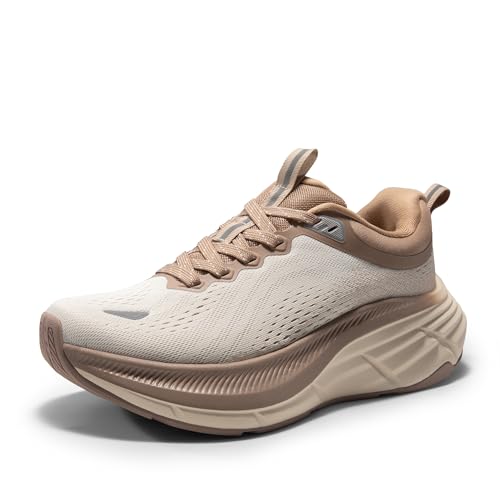
Looking for tennis shoes for running, meaning one shoe that handles both sports reasonably well, comes down to an honest trade-off rather than a single perfect answer, and this guide verifies two real, currently priced options for each direction of that compromise.

Honestly: there’s no single shoe that’s truly great at both tennis and running, because the two sports load your foot in opposite directions. If you need one shoe for both, the New Balance FuelCell 796v5 Tennis Shoe (men’s $99.95, women’s $81.10) is the better lateral-support-first compromise for someone who plays more tennis than they run. If you run more than you play and need occasional court use, the ASICS GT-2000 14 (men’s $104.95, women’s $109.95) is a stability running shoe that tolerates light lateral movement better than most running shoes, but neither is a real substitute for a dedicated shoe in your primary sport.
A genuine tennis shoes for running crossover doesn’t really exist, and pretending otherwise would be dishonest. Tennis shoes are built with a wide, reinforced lateral platform to survive sideways loading during a rally. Running shoes are built with a narrower, more flexible forefoot optimized for repeated forward toe-off. Those are opposite design priorities, which is why this guide focuses on the actual trade-off involved rather than claiming a single perfect hybrid shoe exists.
- →There’s no shoe that’s truly excellent at both tennis and running; the biomechanics conflict
- →New Balance’s FuelCell 796v5 Tennis Shoe is the better pick if tennis is your primary activity
- →ASICS’s GT-2000 14 stability running shoe tolerates occasional light lateral movement better than most running shoes, but isn’t a court shoe
- →Running shoes lack the lateral support platform tennis needs; wearing one for real match play raises ankle injury risk
- →Decide which sport is primary for you and buy that shoe, treating the other activity as the secondary, lower-intensity use
Table of Contents
Why tennis and running shoes can’t both be optimized in one shoe
Running is a forward, repetitive motion: heel strike, roll through midfoot, push off the toe, repeat thousands of times per run. The ideal running shoe midsole flexes at the forefoot to support that toe-off and keeps the ride light, since you’re carrying that weight for miles. Tennis is a lateral, start-stop sport: sprint, plant hard, change direction, split-step, repeat. The ideal tennis shoe midsole and outsole resist that lateral loading with a wider platform and reinforced sidewall, which by design makes the shoe stiffer and heavier than an equivalent running shoe.
A shoe optimized for one job compromises the other. A stiff, wide-platformed tennis shoe feels clunky and inefficient on a run, wasting energy with every stride. A flexible, lightweight running shoe with a narrow forefoot offers little resistance when you plant hard for a passing shot, which is exactly the scenario where ankles roll.
If tennis is your primary sport: New Balance FuelCell 796v5
The New Balance Men’s FuelCell 796 V5 Tennis Shoe ($99.95, in stock) and the New Balance Women’s FuelCell 796v5 Tennis Shoe ($81.10, only one left in stock at the listing we checked) are genuine tennis shoes, built with the lateral support a rally demands, but they use New Balance’s FuelCell foam, which gives more forward-motion energy return than a typical stiff court midsole. That makes them noticeably more tolerable for an easy run or a warmup jog than a heavier, stiffer tennis shoe like a max-support model would be, without giving up the lateral platform tennis actually needs.
This is the right pick if tennis is your main activity and running is an occasional add-on, like a light warmup jog or the odd casual run. You keep full court protection and get a shoe that doesn’t feel like a brick on the rare occasions you run in it.
If running is your primary sport: ASICS GT-2000 14
The ASICS Men’s GT-2000 14 Running Shoes ($104.95, only one left in stock) and the ASICS Women’s GT-2000 14 Running Shoes ($109.95, in stock) are stability running shoes, meaning they’re built with extra structure for runners who need support against overpronation. That structure happens to give them a bit more lateral resistance than a neutral running shoe, which is why the GT-2000 line has a reputation among some recreational players as tolerable for light, casual hitting.
⚠️ Watch out: Be honest with yourself here: the GT-2000 is a running shoe, not a tennis shoe. It’s a reasonable compromise for casual, low-intensity hitting, like a relaxed rally with a friend, but it is not built to withstand hard, repeated direction changes in a competitive match. Using it for serious match play raises your ankle injury risk compared to a dedicated court shoe.
The honest trade-off, explained plainly
If you really need one shoe and refuse to buy two, here’s the actual decision: pick based on which sport you do more often and more intensely, not which one you enjoy more or started with first. If 80 percent of your activity is tennis and running is occasional, the FuelCell 796v5’s lateral platform matters more than the small running-comfort penalty you’ll pay. If it’s reversed, a stability running shoe like the GT-2000 that tolerates some lateral movement is the safer general-purpose choice, since a hard fall from an unsupportive court shoe mid-run is also a real risk in the other direction.
The people this guide doesn’t help are competitive players in either sport. A serious tennis player training multiple times a week needs a dedicated court shoe, full stop. A runner training for a race needs a running shoe matched to their actual gait, not a tennis-adjacent compromise. This guide is for the specific, real situation of a recreational player who does both at a casual level and doesn’t want to own four pairs of shoes.
- ✓Buy based on which sport you actually do more of, not which you prefer
- ✓Use the FuelCell 796v5 or GT-2000 only for casual, low-intensity use in the secondary sport
- ✓Get a dedicated shoe for either sport once you’re training seriously in it
- ✓Check current price and stock before ordering, since both lines shift regularly
- ✕Expect a hybrid pick to perform like a dedicated shoe in either sport
- ✕Wear a genuine neutral running shoe for real competitive tennis match play
- ✕Assume a stability running shoe gives you real lateral protection during hard cuts
- ✕Buy a max-cushion, max-stiffness tennis shoe expecting it to run comfortably
How to tell if the compromise is hurting you
Watch for two specific warning signs. In the FuelCell 796v5 during running, check for unusual forefoot fatigue or a feeling of the shoe fighting your stride; that’s the lateral-support stiffness showing up as reduced running efficiency. In the GT-2000 during hitting, watch for your foot sliding slightly inside the shoe during hard direction changes, or your ankle feeling less stable than usual mid-rally; that’s the running shoe’s forefoot flexibility showing up as reduced lateral containment. Either sign means you’ve outgrown the compromise and need the dedicated shoe for that activity.
💡 Pro tip: If you can only budget for one new pair right now but do both sports regularly, buy for whichever activity you do at higher intensity or higher frequency, and treat the other sport as the one where you accept some performance loss until you can afford the second, dedicated pair. Most recreational players who track it honestly find that split isn’t as close to fifty-fifty as it first feels once they actually count sessions.
What durability looks like for a compromise shoe
A compromise shoe tends to wear unevenly compared to a dedicated one, which is worth knowing before you buy. In the FuelCell 796v5 used for regular running, expect the outsole to show wear at the forefoot faster than it would under pure tennis use, since running adds a repeated toe-off load the shoe’s tennis-oriented outsole pattern isn’t optimized for. In the GT-2000 used for casual hitting, expect the upper along the sides of the forefoot to show stress marks or minor separation sooner than it would under pure running use, since the lateral loading of hitting stresses seams the shoe wasn’t built to handle repeatedly.
Neither of these wear patterns means the shoe is defective. It’s the direct cost of using a shoe outside its primary design intent, and it’s part of the honest trade-off this guide keeps coming back to. Budget for replacing a compromise shoe somewhat sooner than you would a dedicated shoe used only for its intended sport.
Bottom line
There is no shoe on the market, including the two verified picks in this guide, that performs like a dedicated shoe in both tennis and running. The New Balance FuelCell 796v5 is the better call if tennis is your main sport and running is occasional. The ASICS GT-2000 14 is the better call if running is your main sport and casual hitting is occasional. If you’re serious about either sport, budget for two pairs; the performance and injury risk trade-off of one compromise shoe isn’t worth it once training intensity goes up.
Is there a shoe that’s actually good for both tennis and running?
Not really, no. The two sports load your foot in opposite ways: running needs forward flexibility, tennis needs lateral stiffness. The two verified picks in this guide are reasonable compromises leaning one direction or the other, not true dual-purpose shoes.
Can I use running shoes for tennis if I only play casually?
For very light, casual rallying with no hard direction changes, a stability running shoe like the ASICS GT-2000 14 is a reasonable, honest compromise. For real match play with actual sprinting and cutting, it raises your ankle injury risk compared to a dedicated court shoe.
Why not just buy a cross-training shoe instead?
General cross-trainers are usually built for gym movements like lifting and agility drills, a third category with its own trade-offs, which tends to make them worse at both running and tennis than a shoe that leans toward one of those two sports specifically.
How do I know if I need to stop compromising and buy two pairs?
Watch for unusual forefoot fatigue while running in a tennis-leaning shoe, or your foot sliding inside a running shoe during hard direction changes on court. Either sign means the compromise is costing you enough that a dedicated shoe for that activity is worth the extra cost.
Which pick should I choose if I do both sports equally?
Lean toward the New Balance FuelCell 796v5 tennis shoe. Losing some running efficiency is a comfort cost; losing lateral ankle support during a hard tennis cut is an injury risk. When the two trade-offs aren’t equal, protect against the injury risk first.
As an Amazon Associate, we earn from qualifying purchases through links on this page.