Best Gymnastics Leotards Competition vs Training: 4-Way Stretch Spandex, Sublimation Durability, and USAG FIG Modesty Standards

Table of Contents
Top Gymnastics Leotards: Technical Comparison Matrix
| Leotard Model | Fabric Composition & Stretch | Sleeve Cut & Design Type | Embellishment & Durability | Primary Application |
|---|---|---|---|---|
| GK Elite Competition Leotard | 80% Nylon, 20% Spandex with 4-way stretch | Long-sleeve competition cut | Precision hot-fix Swarovski crystals, holographic foil | USAG & FIG sanctioned championship meets |
| Destira Soft Tank Leotard | Ultra-soft brushed lycra blend | Sleeveless athletic tank cut | Sublimated dye print with no surface peeling | Daily rigorous multi-hour gym training |
| Sylvia P Signature Leotard | High-gauge stretch polyester-elastane | Ergonomic open-back athletic tank | Glitter foil transfer with reinforced flatlock seams | Team practice and developmental club performance |
| Plum Practicewear Tank | Breathable moisture-wicking poly-spandex | Standard tank with bra-friendly coverage | Limited-edition full sublimation print | Summer training camps and intense bar rotations |
| Snowflake Designs Metallic Leotard | Mystique foil-laminated stretch nylon | 3/4 sleeve / tank hybrid options | High-shine metallic finish with reinforced leg elastic | Dual-purpose club exhibitions and level 3-6 meets |
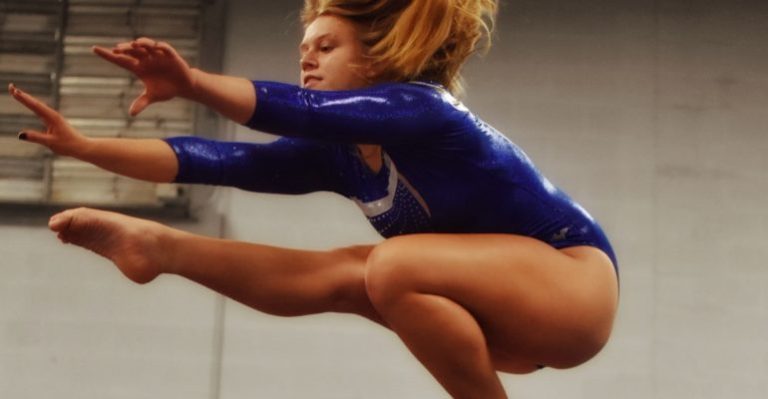
In artistic gymnastics, the leotard serves as both an athletic second skin and a visual instrument of technical evaluation. When an athlete vaults, twists on the balance beam, or swings through high-release pirouettes on the uneven bars, the garment must provide unrestricted kinetic mobility while remaining locked in position. The tension between aesthetic elegance and extreme mechanical stress makes gymnastics apparel engineering one of the most demanding disciplines in sports textiles. A competition leotard must captivate judging panels with brilliant light refraction, while a daily training tank must endure tens of thousands of abrasive repetitions against chalk-covered fiberglass bars, foam landing pits, and textured floor vinyl.
Choosing between training and competition leotards involves distinct trade-offs in fabric elasticity, thermal regulation, embellishment durability, and regulatory compliance. Understanding the textile chemistry of elastane blends, the thermodynamics of sublimated inks versus foil laminates, and the strict technical codes enforced by USA Gymnastics (USAG) and the Fédération Internationale de Gymnastique (FIG) ensures that athletes train without skin distraction and compete without score deductions.
Textile Engineering: 4-Way Stretch Spandex, Mystique Foils, and Sublimation
The foundation of every high-performance leotard is elastane (commonly known as spandex or Lycra), typically blended with nylon or polyester in ratios between 15 and 22 percent. True competitive leotards require 4-way stretch architecture, meaning the fabric exhibits symmetrical tensile recovery along both the lengthwise warp and crosswise weft. If a fabric stretches in only two directions, it binds across the shoulders during hyperextension, restricts hip flexibility during straddle jumps, and forces the gymnast to pull at the leg openings between apparatus rotations.
The surface treatment applied to this elastane core dictates both durability and tactile feel. Three primary fabric treatments dominate the market:
1. Sublimated Polyester-Lycra: In sublimation printing, disperse dyes are converted directly from solid to gas using high-temperature industrial presses, bonding molecularly with the polyester fibers. Because no ink rests on the fabric surface, sublimated leotards retain the base textile’s natural breathability, soft drape, and elasticity. Sublimation prints never crack, peel, or fade, making them the gold standard for daily training garments that withstand intense weekly laundering.
2. Mystique and Holographic Foils: Mystique fabric features an ultra-thin metallic or holographic film heat-laminated onto a nylon-spandex substrate. This produces an intense, mirror-like luster that accentuates muscle definition and line extension under competition halogen spotlights. However, foil laminations reduce overall elasticity by 10 to 15 percent, require meticulous sizing to avoid pinching, and are susceptible to friction abrasion from magnesium carbonate gymnastics chalk.
3. Power Mesh and Illusion Inserts: Modern competition garments integrate sheer power mesh along sleeves, shoulder yokes, and back cutouts. High-grade athletic mesh incorporates high-gauge spandex to provide breathable ventilation while sustaining the tension needed to hold heavy arrays of hot-fix crystals securely without sagging.
Regulatory Compliance: USAG and FIG Modesty Standards
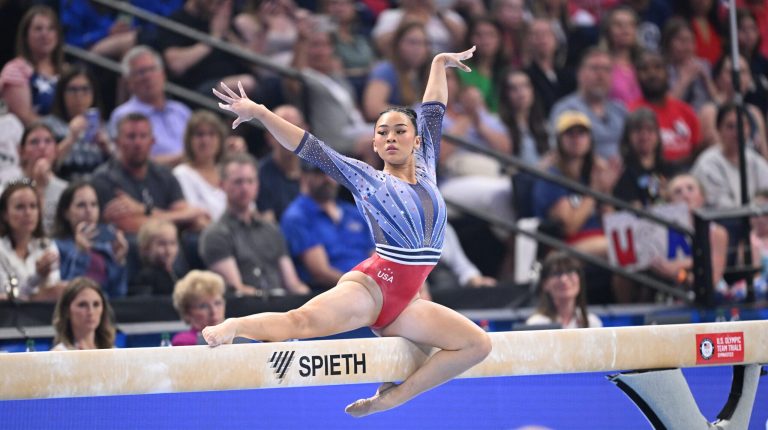
At sanctioned invitationals, state meets, and international championships, leotard construction is subject to rigid governing body inspections. Both USAG Junior Olympic codes and FIG technical regulations include specific penalties for uniform infractions, which can deduct up to 0.30 points directly from an athlete’s final score.
Leg cut geometry represents the most frequent point of scrutiny. The leg opening must not be cut higher than the top of the hip bone (greater trochanter). High-cut French cuts popular in fashion swimwear are strictly illegal; the leotard must completely cover the pelvic anatomy and the entire gluteal crease throughout full acrobatic routines. In recent quadrenniums, regulations have relaxed to permit unitards (full-length leg coverings) and mid-thigh shorts for cultural, religious, and comfort reasons, provided they match the team leotard hue and fit snugly without bunching.
Undergarment visibility is another strict deduction category. Sports bras and athletic briefs must never show outside the leotard neckline, armhole, or back aperture. High-end competition leotards are crafted with built-in antimicrobial shelf liners, dense chest interlinings, or precisely placed mesh panels designed to conceal skin-tone performance undergarments completely.
Detailed Reviews: The 5 Best Gymnastics Leotards
1. GK Elite Sportswear Competition Leotard – The Pinnacle of Elite Championship Performance
Manufactured in Pennsylvania for over four decades, GK Elite is the official apparel supplier to USA Gymnastics national teams. The GK Elite Competition Leotard line represents the benchmark in technical craftsmanship, anatomical patterning, and visual impact. Featuring a four-way stretch 80/20 nylon-spandex base, this long-sleeve garment is cut with proprietary 3D athletic patterns that mirror the muscular physique of competitive gymnasts.
Each competition piece features precision-placed hot-fix crystal arrays (often numbering over 2,000 stones) bonded with high-tensile industrial adhesives designed to withstand maximum fabric extension during back handsprings without shedding. The necklines and leg cuffs feature encased micro-rubber elastic that maintains skin adherence without leaving red compression marks. While representing a premium financial investment, its structural integrity, brilliant mystique foil sheen, and guaranteed compliance with USAG and FIG modesty standards make it the top choice for championship squads.
Technical Specifications: Base Fabric: 80% Nylon, 20% Spandex 4-way stretch | Sleeve Construction: Full-length compression sleeves with power mesh yokes | Embellishment: High-refraction hot-fix crystals | Sizing: Child XXS to Adult XL with custom torso length options | Best For: Level 7-10, elite developmental, and collegiate competitions.
2. Destira Soft Tank Leotard – Buttery Comfort for 20-Hour Training Weeks
For gymnasts training 15 to 25 hours per week, skin comfort and chafe prevention are essential priorities. The Destira Soft Tank Leotard was designed specifically to eliminate the stiffness, chafing, and scratching common in metallic practice wear. Crafted from an ultra-soft brushed lycra fabric blend, this sleeveless tank feels like a second skin the moment it is pulled on.
Destira utilizes high-definition sublimation printing for all graphic patterns, ensuring that the fabric surface remains smooth and free of stiff vinyl films or peeling foils. The armhole and neckline edges are hemmed using smooth flatlock stitching that prevents underarm chafing during hundreds of swings on the uneven bars. The modest leg cut stays anchored without excessive silicone grippers, giving developing athletes total confidence during high-repetition tumbling passes. It is widely considered the most comfortable practice leotard on the market.
Technical Specifications: Base Fabric: Ultra-soft brushed polyester-lycra blend | Design Cut: Classic sleeveless tank with modest scoop neck | Print Method: 100% full-immersion sublimation dye | Seam Type: Anti-chafe flatlock stitching | Best For: Long multi-hour practice sessions, bar training, and hot gym environments.
3. Sylvia P Signature Leotard – High-Fashion Performance and Kinetic Support
Originating in Australia and popular across competitive North American gyms, the Sylvia P Signature Leotard merges trendsetting athletic design with heavy-duty performance construction. Built with high-gauge stretch polyester-elastane, Sylvia P garments are known for their firm muscular compression, which provides light postural support during intense routine run-throughs.
The Signature line often features complex multi-strap open-back geometries that provide athletic ventilation across the shoulder blades while carefully maintaining complete sports-bra coverage. Front panels combine subtle foil accents with sublimated prints, creating an eye-catching practice aesthetic that boosts athlete morale. Reinforced double-stitched stress points at the hips and shoulder seams guarantee that the leotard withstands the explosive torque of high-speed twisting vaults and aggressive dismount landings.
Technical Specifications: Base Fabric: High-density compact polyester-elastane | Back Geometry: Ergonomic multi-strap open back with bra-friendly anchor points | Compression: Medium-firm compressive hold | Durability: High abrasion resistance against chalk and mats | Best For: Club team practices, developmental exhibitions, and team training camps.
4. Plum Practicewear Tank – Breathable Moisture Transport for Summer Training
Training in unconditioned gymnasiums during mid-summer places severe metabolic heat stress on athletes. The Plum Practicewear Tank addresses thermal regulation through its proprietary lightweight four-way stretch poly-spandex blend that actively pulls sweat away from the athlete’s torso.
Plum releases their leotards in limited-edition, colorful graphic drops, which has generated a dedicated following among competitive club gymnasts. Beyond aesthetics, the garments feature a signature stay-put leg line that refuses to ride up, regardless of hip abduction angles during switch split leaps on the 4-inch balance beam. The fabric is treated with an antibacterial wash that inhibits odor-causing bacteria buildup, preserving freshness across long two-a-day summer training camps.
Technical Specifications: Base Fabric: Lightweight moisture-wicking four-way stretch poly-spandex | Cut: Classic scoop front and back tank | Graphic Tech: Direct-to-fabric sublimation (zero peeling) | Fit Profile: True-to-size athletic standard fit | Best For: Summer intensive clinics, conditioning circuits, and high-perspiration workouts.
5. Snowflake Designs Metallic Leotard – The Ideal Crossover for Lower-Level Meets
For gymnasts competing in USAG Compulsory levels (Levels 1 through 5), Xcel divisions, or local club exhibitions, high-end custom long-sleeve competition leotards can be cost-prohibitive. The Snowflake Designs Metallic Leotard fills this gap perfectly by offering high-quality mystique foil tanks and 3/4-sleeve options that deliver championship sparkle at accessible price points.
Handcrafted in California, Snowflake Designs uses heavy-weight 85/15 nylon-spandex covered in brilliant metallic foil. The leotards feature exceptionally durable leg elastic that maintains snug tension even after dozens of washes. The torso cut is slightly more generous through the ribcage and shoulders, accommodating growing developmental athletes without binding. It is an exceptional hybrid option that works equally well as a showstopper practice tank or a team competition leotard for lower-level travel teams.
Technical Specifications: Base Fabric: 85% Nylon, 15% Spandex with high-shine metallic mystique finish | Available Cuts: Sleeveless tank or 3/4 sleeve | Manufacturing: Made in the USA with reinforced serged seams | Sizing: Toddler through Adult XL | Best For: Xcel divisions, compulsory levels 1-5, and seasonal holiday exhibitions.
Sizing and Torso Girth Calibration Mechanics
Selecting the correct size in a gymnastics leotard differs fundamentally from standard retail clothing sizing. In everyday streetwear, sizing is primarily determined by bust, waist, and hip circumference. In gymnastics apparel, the single most critical anatomical metric is the torso girth measurement. Relying on age or street clothing size almost always results in a poor fit that pinches the shoulders or sags at the groin.
How to Measure Torso Girth Accurately
To record an accurate girth measurement, have the gymnast stand upright with feet together and shoulders relaxed. Take a flexible vinyl measuring tape and place the starting zero mark at the midpoint of the right shoulder. Run the tape down across the fullest part of the chest, through the crotch, and up the center of the back, returning to the exact starting point on the right shoulder. The tape must fit snugly against the body without digging into the flesh or hanging slack.
The Growing Athlete vs Competition Fit Dilemma
For daily training leotards, if an athlete’s girth falls between two sizes, sizing up provides comfortable room for physical growth and eliminates restrictive armpit pinching. However, for formal competition leotards, sizing up is a mistake. An oversized competition leotard develops horizontal fabric ripples across the lower back and abdomen, which judges can interpret as poor body posture or incomplete core engagement. In addition, excess fabric around the shoulders can catch on the fiberglass bar rail during giant swings or catch under chalked leather hand grips.
Textile Care Protocols: Preserving Foil and Crystal Integrity
A high-performance leotard represents a delicate combination of specialized adhesives, metallic films, and elastomeric polymers. Improper laundering will destroy an expensive garment in a single wash cycle. Follow these laboratory-tested care standards to ensure maximum garment longevity:
1. Immediate Cold Water Salt Soak: Immediately after arriving home from competition or practice, submerge the leotard in a sink of cold water with a tablespoon of common table salt. Salt helps set dye chemistry and prevents color bleeding in multi-colored panels. Wash by hand gently using a mild, bleach-free detergent specifically formulated for activewear.
2. The Towel Roll Drying Technique: Never twist, wring, or scrub the fabric against itself, as shearing forces dislodge heat-fixed crystals and crack metallic foil coatings. Lay the wet leotard flat across a thick, dry cotton towel. Roll the towel up like a jelly roll and press firmly with your hands to absorb excess moisture. Unroll the towel and hang the leotard on a wide plastic hanger to dry at room temperature away from heating vents and direct sunlight.
3. Absolute Washing Prohibitions: Never place a gymnastics leotard in an electric tumble dryer; the high heat will liquefy the crystal adhesive and degrade the spandex elastic fibers. Never use fabric softener, as softeners deposit silicone oils that dissolve foil laminates. Never dry clean, iron, or spray perfume or aerosol hairspray directly onto the garment fabric.
Strategic Decision Framework: Matching Leotards to Training Needs
Selecting the optimal leotard depends on whether your priority is daily training durability, thermal breathability, or high-stakes competition compliance. Review this decision matrix to guide your equipment investment:
For Daily Multi-Hour Training Blocks: Prioritize Destira Soft Tank or Plum Practicewear Tank. Their sublimated poly-spandex construction provides maximum chafe prevention, infinite wash cycles without foil flaking, and superior sweat absorption during grueling conditioning sessions.
For Sanctioned USAG / FIG Travel Competitions: Invest in the GK Elite Competition Leotard. Its 3D athletic tailoring, dense crystal coverage, and guaranteed compliance with strict governing body modesty regulations give competitive gymnasts the polished elegance required on the national stage.
For Compulsory Levels, Xcel, and Team Showcases: Choose the Snowflake Designs Metallic Leotard. It delivers brilliant metallic shine, exceptional durability, and American craftsmanship at a fraction of the cost of custom long-sleeve competition apparel.