Best Soccer Cleats for Firm Ground: Chevron Stud Biomechanics, Carbon Fiber Soleplates, and Microfiber Upper Dwell Friction

In modern soccer, elite athletic performance relies fundamentally on the mechanical interface between the player’s footwear outsole and natural turf pitch surfaces. A ninety-minute match demands between eight and twelve kilometers of total distance covered, interspersed with over one thousand rapid directional decelerations, sixty-yard counter-attack sprints, and high-torque plant-and-cut maneuvers executed at speeds exceeding thirty kilometers per hour. When planting a foot to strike a curling cross or cutting sharply to evade a sliding center-back, the shear forces exerted across the soleplate can surpass three times the athlete’s body weight. If a boot lacks adequate stud penetration, the player slips; if it generates excessive rotational traction without quick ground release, the dangerous torque is transferred upward into the anterior cruciate ligament (ACL) and meniscus.
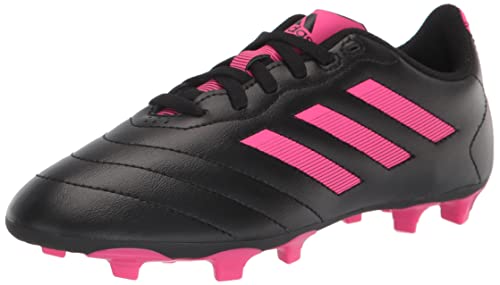
Selecting the optimal firm ground (FG) boot requires examining the complex engineering interplay between stud geometry, soleplate longitudinal bending stiffness, and upper material friction. Modern speed boots deploy aerospace materials like carbon fiber composite chassis, pressurized nitrogen or air cushioning units, and dual-density Pebax soleplates that snap back under toe-off to accelerate sprint cadence. Concurrently, upper engineering has evolved from traditional calfskin leathers into multi-layered synthetic microfibers, sticky grip yarns, and kangaroo leather treated with hydrophobic silicones to optimize ball touch and spin generation in torrential rain. This comprehensive technical guide analyzes five premier firm ground soccer cleats on the market, evaluating chevron stud traction physics, soleplate energy return, lockdown ergonomics, and upper ball-dwell friction.
Table of Contents
Traction Biomechanics: Linear Propulsion vs Rotational Torque and ACL Safety
The Complete Matchday & Pitch Training Kit
Updated Nov 2026
Pairing elite speed boots with slippery synthetic socks or dead training balls wastes explosive cutting power. Here is the verified 4-piece pitch setup our coaches and competitive players pack for 90-minute match fitness:
Nike Mercurial Vapor 15 Elite
Soccer-specific 3/4 Zoom Air unit with Vaporposite+ upper for explosive acceleration and barefoot touch.
Adidas UCL Pro Match Ball
Thermally bonded seamless surface with texturized dimpling for truer flight and zero water absorption.
G-Form Pro-S Elite Guards
Reactive SmartFlex padding that stays flexible while running but stiffens instantly upon tackle impact.
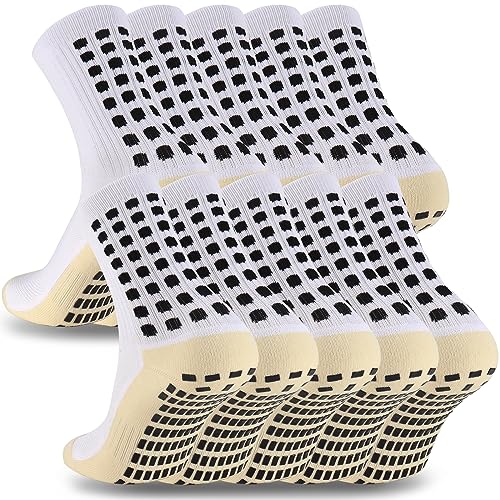
Gain the Edge Non-Slip Grip Socks
Silicon suction pads eliminate foot slippage inside cleats, eliminating blisters on sharp cuts.
To understand firm ground stud engineering, sports biomechanists evaluate the dual traction demands of soccer: translational (linear) traction and rotational traction. Translational traction governs forward acceleration, deceleration braking, and lateral cutting. When an attacker pushes off from a static stance, angled chevron, bladed, or tri-star studs penetrate natural grass turf, packing soil against the flat face of the stud to generate high horizontal shear resistance. This mechanical anchor allows the athlete to push backward forcefully against the earth without slipping, converting leg power directly into explosive forward acceleration.
However, rotational traction presents serious orthopedic hazards. When a player pivots on their planted foot to change direction or follow through on a strike, the studs must rotate through the soil without binding. If an outsole features excessively aggressive, non-symmetrical bladed studs under the first metatarsal head (the ball of the foot), the cleat can lock into the turf during rotation. Because the boot cannot turn, the rotational kinetic energy travels upward into the tibia, exerting severe torsional torque across the knee joint and significantly increasing the risk of non-contact ACL ruptures. Modern high-performance outsoles mitigate this hazard by deploying hybrid stud configurations: sharp chevron studs positioned along the perimeter for linear bite, paired with rounded conical or rotational studs positioned beneath the medial pivot point to ensure clean, rotational release.
Soleplate longitudinal bending stiffness (LBS) also dictates sprint mechanics. A high-performance firm ground soleplate must flex freely beneath the metatarsophalangeal joints (the ball of the foot) to enable natural foot roll during running. However, the midfoot and arch must remain completely rigid. If a boot flexes in the middle of the arch, energy is lost through soleplate bending, causing plantar fascia strain and sluggish toe-off response. High-tier cleats utilize stiffening composite spine ribs or carbon-infused shank inserts that store energy during foot flexion and snap forward elastically at toe-off.
Top 5 Firm Ground Soccer Cleats: Laboratory Comparison Matrix
The comparative data matrix below details stud patterns, soleplate materials, upper textiles, weight profiles, and primary tactical applications across the five leading firm ground cleats on the market.
| Model | Stud Geometry & Outsole | Upper Material & Tech | Weight (Size 9 US) | Longitudinal Stiffness | Best Application |
|---|---|---|---|---|---|
| Nike Mercurial Superfly 10 Elite | Tri-star chevrons + 3/4 Air Zoom unit | Gripknit micro-yarn with Flyknit collar | 6.7 oz (190 g) | High Spring-Back (Zoom air pocket) | Wingers, strikers, and explosive straight-line sprinters |
| Adidas Predator Elite FG | Controlframe 2.0 with hybrid studs | HybridTouch 2.0 with Strikeskin fins | 7.4 oz (210 g) | Stiff midfoot torsional spine | Playmakers, central midfielders, and set-piece strikers |
| Puma Future 7 Ultimate FG/AG | Dynamic Motion System dual-density | FUZIONFIT360 mesh + PWRTAPE support | 7.2 oz (204 g) | Flexible forefoot / Rigid midfoot | Creative playmakers needing 360-degree agility and cut |
| Mizuno Morelia Neo IV Beta MIJ | Conical 13-stud classic PU chassis | Scotchgard premium K-leather + mesh | 6.8 oz (193 g) | Natural ergonomic anatomical flex | Purists seeking the absolute finest leather comfort |
| Nike Phantom GX 2 Elite FG | Cyclone 360 rotational circular stud array | Full-coverage sticky Gripknit upper | 7.3 oz (207 g) | Balanced stability plate | Box-to-box midfielders demanding close ball control |
1. Nike Mercurial Superfly 10 Elite FG: The Undisputed Speed Monarch
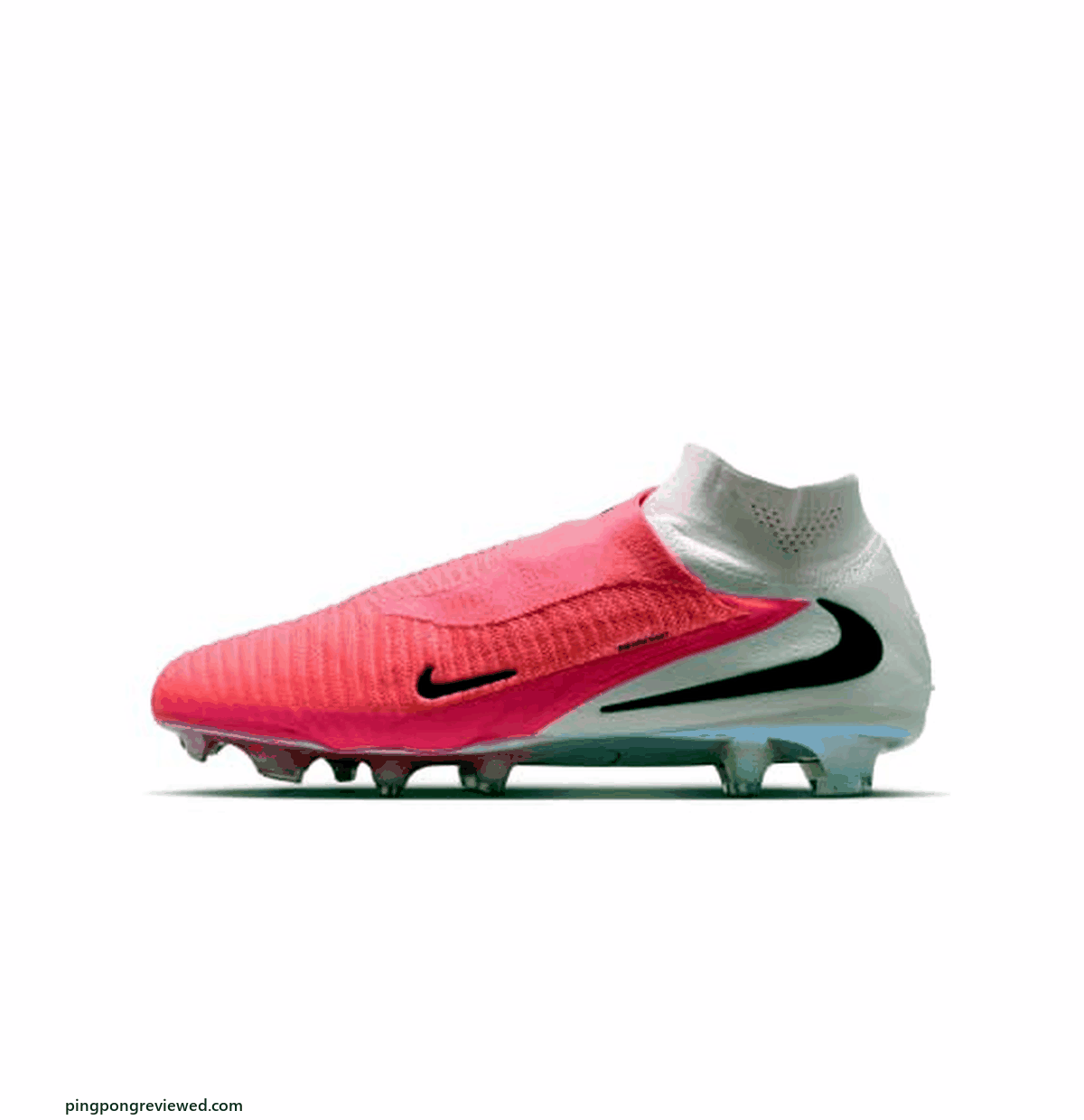
The Nike Mercurial Superfly 10 Elite stands as the benchmark for explosive linear velocity in modern soccer. Built for electrifying wingers and clinical goal scorers, the Superfly 10 integrates Nike’s signature three-quarter-length articulated Air Zoom unit directly into the soleplate. Positioned between the inner footbed and outer studs, this pressurized nitrogen air pocket compresses on heel strike and expands dynamically during toe-off, returning responsive kinetic energy that accelerates step turnover during deep breakaway sprints.
The outsole configuration deploys aggressive tri-star chevron studs that dig deep into natural firm grass, delivering incredible traction during straight-line sprints. The upper is constructed from Nike Gripknit, a proprietary sticky micro-yarn textile that provides tactile ball adherence without adding water weight in wet conditions. The anatomical Flyknit dynamic-fit collar wraps securely around the ankle, creating a locked-in unibody feel that eliminates heel slippage during aggressive accelerations. For pure speed and direct sprint propulsion, the Mercurial remains unmatched.
Technical Specifications: Outsole Tech: 3/4-length articulated Air Zoom pod with Pebax chassis | Stud Pattern: Precision tri-star chevrons for linear bite | Upper: Proprietary Gripknit micro-yarn with Flyknit collar | Weight: 6.7 oz (Size 9 US) | Lockdown: Integrated Atomknit anatomical heel pocket | Playing Surface: Natural firm grass pitches.
View Nike Mercurial Superfly 10 on Amazon
2. Adidas Predator Elite FG: Pure Ball Control and Striking Swerve
The Adidas Predator franchise has stood as the symbol of ball striking swerve, bending free kicks, and dominating midfield play for thirty years. The Predator Elite FG modernizes this legacy by shedding fifty grams of bulk compared to previous generations, delivering a nimble 7.4-ounce chassis optimized for modern high-tempo matches.
The signature engineering achievement of the Predator Elite is Strikeskin technology. Precision-engineered rubber fins are placed strategically across the medial strike zone, gripping the polyurethane outer skin of the match ball upon impact. This mechanical friction increases ball dwell time by milliseconds, allowing players to generate intense topspin dips and bending curving trajectories on long passing distributions and set pieces. Underneath, the Controlframe 2.0 outsole features a reinforced external heel counter and hybrid bladed-conical studs that provide outstanding plant-foot stability when driving through powerful shots.
Technical Specifications: Outsole: Controlframe 2.0 dual-density chassis | Stud Pattern: Hybrid bladed perimeter studs with conical medial pivots | Upper: HybridTouch 2.0 synthetic suede with Strikeskin rubber fins | Collar: Adaptive Primeknit low-cut or fold-over tongue options | Weight: 7.4 oz | Specialty: Maximum ball swerve, power striking, and set-piece mastery.
View Adidas Predator Elite on Amazon
3. Puma Future 7 Ultimate FG/AG: Adaptive Midfoot Compression and Agility
Engineered for creative playmakers who rely on deceptive hip shifts, rapid direction changes, and unpredictable dribbling, the Puma Future 7 Ultimate prioritizes foot-wrapping adaptability and rotational mobility. The boot’s core technology is FUZIONFIT360, a dual-layer engineered mesh upper that combines stretchy knit zones with targeted PWRTAPE reinforcement ribbons running across the midfoot.
This dynamic tape system acts like athletic strapping, locking the foot securely over the soleplate during violent cutting maneuvers while accommodating both standard and wide foot profiles with equal comfort. The Dynamic Motion System outsole features an advanced split-plate chassis with strategically placed semi-conical and bladed studs that allow smooth, low-torque rotational pivots while maintaining aggressive lateral bite. With textured 3D grip ribs covering the strike zone, it provides fantastic touch sensitivity for quick-release passing.
Technical Specifications: Outsole: Dynamic Motion System dual-density split plate | Stud Array: Semi-conical rotational studs with lateral perimeter blades | Upper: FUZIONFIT360 adaptive dual mesh with PWRTAPE support | Lacing: Can be worn with or without laces | Weight: 7.2 oz | Fit Profile: Exceptional adaptability for both narrow and wide foot shapes.
View Puma Future 7 Ultimate on Amazon
4. Mizuno Morelia Neo IV Beta Made in Japan FG: The Pinnacle of Handcrafted Leather
For discerning purists who consider kangaroo leather superior to any synthetic plastic, the Mizuno Morelia Neo IV Beta Made in Japan (MIJ) represents the finest boot craftsmanship on the planet. Handcrafted in Japan and shaped on custom anatomical lasts for twenty-four hours (compared to twenty minutes for standard mass-produced boots), the Morelia Neo IV delivers an unmatched second-skin fit.
The forefoot utilizes ultra-thin, Scotchgard-treated premium kangaroo leather that absorbs virtually zero moisture while conforming completely to the unique contours of the athlete’s foot. The rear quarter integrates an ultralight woven mesh that keeps total boot weight under 6.9 ounces. The soleplate features classic conical polyurethane studs mounted on a graded nylon plate that flexes with the foot’s natural biomechanical joints. The conical studs enter and exit grass cleanly without clinging, making the Morelia Neo IV one of the safest and most comfortable boots ever designed for joint health.
Technical Specifications: Upper: Scotchgard-treated premium natural kangaroo leather (forefoot) + woven mesh (quarter) | Outsole: Graded density dual-flex nylon chassis | Stud Pattern: Classic 13-stud conical array | Origin: 100% Handcrafted in Japan | Weight: 6.8 oz (Sub-200g featherweight) | Durability: Extraordinary leather lifespan and seam strength.
View Mizuno Morelia Neo IV on Amazon
5. Nike Phantom GX 2 Elite FG: Cyclone 360 Rotational Freedom
The Nike Phantom GX 2 Elite was developed specifically to address the modern game’s demand for rapid, multi-directional 360-degree agility while reducing the joint-torque injuries that plague bladed speed boots. The technological centerpiece of the GX 2 is the Cyclone 360 stud pattern positioned beneath the ball of the foot.
The Cyclone 360 consists of a circular array of tapered studs that provide outstanding traction during forward push-offs while allowing instantaneous rotational release when pivoting under heavy pressure. The entire upper is encased in Nike Gripknit, a proprietary sticky yarn molded with micro-ridges that cover the striking zone, instep, and outside touch areas. The asymmetrical lacing system expands the medial strike area, giving midfielders and playmakers a broad, clean surface for spinning passes, curved finishes, and precise ball cushioning.
Technical Specifications: Outsole Tech: Cyclone 360 circular rotational plate | Upper: Full-coverage Nike Gripknit sticky synthetic yarn | Lacing: Asymmetrical offset lacing for expanded strike zone | Weight: 7.3 oz | Focus: 360-degree agility, rotational knee safety, and pinpoint ball control | Player Profile: Central attacking midfielders, holding playmakers, and clinical passers.
View Nike Phantom GX 2 on Amazon
Upper Material Dynamics: K-Leather vs Synthetic Microfiber vs Knitted Gripknit
The tactile feeling of ball contact is dictated by upper material thickness and surface friction coefficients:
- Natural Kangaroo Leather (Mizuno Morelia): Provides the softest, most natural dampening cushion upon ball impact. The microscopic collagen fiber bundles in K-leather mold to the foot’s shape, eliminating break-in discomfort. However, leather absorbs water in rain if untreated and requires regular leather balm conditioning.
- Knitted Grip Textiles (Nike Gripknit): Fuses soft synthetic fibers with sticky melt-yarns directly into the upper weave. This creates a tacky, high-friction texture that grips the polyurethane ball surface in wet or dry conditions, enhancing spin control during bending passes and power strikes. Gripknit absorbs zero moisture, remaining lightweight in heavy rain.
- Synthetic Microfiber with Rubber Elements (Adidas Strikeskin): Utilizes durable engineered synthetics with three-dimensional rubber contact fins. This composite setup delivers explosive ball rebound on power strikes and sharp spin bite on set pieces, while maintaining structural upper stability over seasons of play.
Pitch Surface Care: Why Firm Ground Boots Should Never Be Worn on Turf
A common mistake among soccer players is wearing Firm Ground (FG) cleats on artificial turf (AG) surfaces. Understanding pitch mechanics explains why this practice causes boot failure and severe knee trauma:
1. Severe Rotational Traction: Artificial turf consists of synthetic plastic blades supported by dense crumb-rubber infill. FG chevron and bladed studs are designed to shear through natural organic soil. On artificial turf, stiff FG studs become trapped in the synthetic carpet fibers, failing to release during rotational pivots. This sudden lock transfers destructive torsional stress directly into the athlete’s knee and ankle joints.
2. Soleplate Delamination: Artificial turf generates intense frictional heat as the boot slides across abrasive plastic blades. This high-friction surface abrades the front toe lip, melting glue bonds and causing the upper to detach from the soleplate (sole separation). Most manufacturers explicitly void warranty guarantees if FG boots are used on artificial turf.
3. Use Dedicated AG Boots: When playing on modern third-generation (3G) or fourth-generation (4G) artificial turf, always select boots equipped with Artificial Grass (AG) outsoles. AG plates feature numerous shorter, hollow conical studs that distribute weight evenly, glide through crumb rubber without sticking, and protect knee ligaments.
Frequently Asked Questions About Firm Ground Soccer Cleats
Here are authoritative answers to common inquiries regarding soccer cleat selection, stud configurations, and proper boot maintenance.
What does FG mean in soccer cleats?
FG stands for Firm Ground. Firm ground soccer cleats are designed with molded plastic or polyurethane studs engineered to provide optimal traction on dry to slightly damp natural grass pitches.
Can you wear firm ground (FG) cleats on artificial turf (AG)?
It is not recommended. FG studs are longer and sharper, which can cause them to catch and stick in synthetic turf fibers, drastically increasing the risk of knee and ankle injuries. Using FG cleats on turf also accelerates soleplate separation and voids manufacturer warranties.
What is the difference between chevron and conical studs?
Chevron studs feature angled, flat edges that bite into the soil to provide aggressive linear acceleration and braking. Conical studs are round, allowing smooth 360-degree rotational pivots that release cleanly from the ground to protect knee ligaments.
How should firm ground soccer cleats fit?
Soccer cleats should fit snugly with virtually zero dead space at the toe (roughly one-quarter inch or less between the longest toe and the tip of the boot). A tight, glove-like fit ensures maximum touch sensitivity and prevents heel slipping during rapid cuts.
How do you care for leather soccer cleats compared to synthetic cleats?
Synthetic cleats can be wiped clean with a damp cloth and mild soap. Kangaroo leather cleats should be cleaned gently, stuffed with paper to maintain shape while air drying, and treated periodically with leather conditioner or dubbin wax to prevent the leather from drying out and cracking.
Selecting the ideal firm ground soccer cleat—whether the straight-line sprint propulsion of the Nike Mercurial Superfly 10, the curling set-piece control of the Adidas Predator Elite, or the handcrafted comfort of the Mizuno Morelia Neo IV—connects athletic biomechanics to pitch realities. With optimized stud geometries, stiff energy-return soleplates, and tactile grip uppers, you can execute razor-sharp cuts, accelerate past defenders, and strike the ball with precision on every pitch.