Best Badminton Racket for Drop Shots and Net Touch


A badminton racket for drop shots needs to make one specific skill easier: decelerating the racket head right at the last instant before contact. Here’s what actually helps with that, and which pick and accessory pairing support it best.
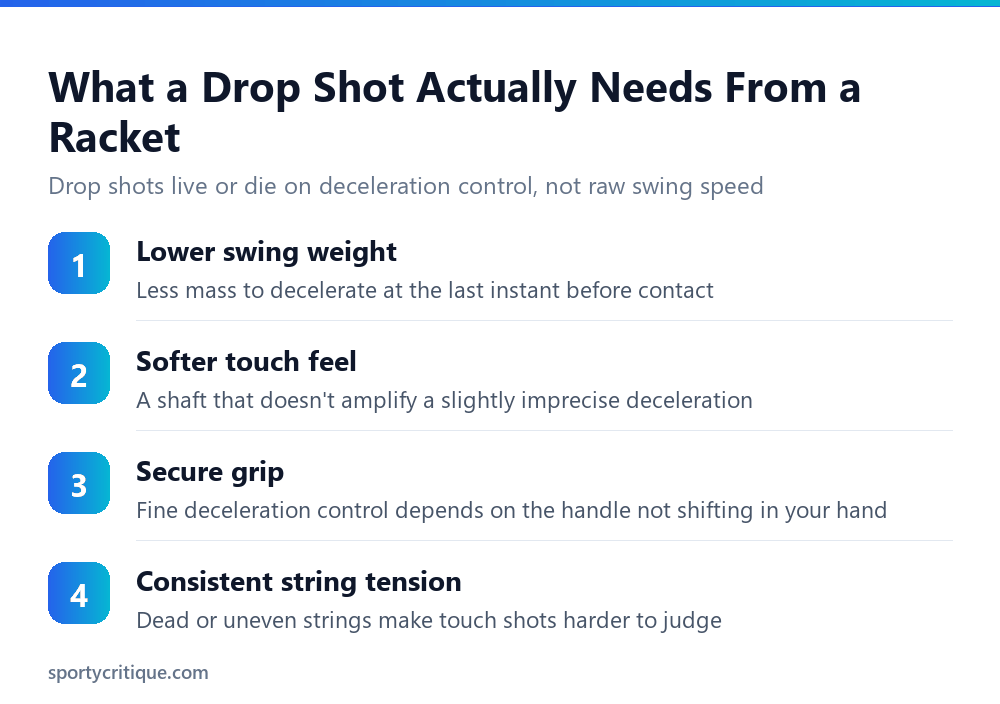
A drop shot depends on decelerating the racket head at the exact last instant before contact, so a lower swing weight and a shaft that gives honest feedback on that deceleration matter more here than raw power or even balance point alone. A racket that’s easy to slow down mid-swing, rather than one built to carry momentum through the hit, is what actually makes a drop shot repeatable instead of a lucky touch.
Drop shots and net play overlap with general control-first racket buying, covered in our control racket guide, but the specific technical demand of a drop shot, disguising a full swing and killing pace at the last moment, deserves its own look at what actually helps versus what just sounds related. This guide focuses specifically on that deceleration skill, not control in general.
- →A drop shot’s difficulty is almost entirely about last-instant deceleration, not power
- →Lower swing weight makes that deceleration easier and more consistent to repeat
- →Grip security matters more for drop shots than for most other shots in badminton
- →Fresh, evenly-tensioned strings make touch shots more predictable than dead strings
- →This overlaps with control-first racket buying but isn’t identical to it
Table of Contents
Why deceleration, not power, is the real skill
A smash and a drop shot can start from the exact same swing motion, which is the whole point of disguising one as the other. What separates them is what happens in the final fraction of a second: a smash carries the racket head through the shuttle at full speed, while a drop shot decelerates the racket head right at contact so the shuttle barely clears the net instead of rocketing across the court. That deceleration is a genuinely hard motor skill, and a racket with less swing weight, meaning less mass concentrated out at the head, is physically easier to decelerate quickly and consistently than a heavier, more head-heavy frame carrying more momentum into that same instant.
This is part of why control-first, head-light rackets tend to suit drop shots well even though the two categories aren’t identical. A head-light racket already has less momentum built into the swing to begin with, so there’s less to kill off at the last instant. A head-heavy power racket asks you to actively fight more of its own built-in momentum every time you try to disguise a smash into a drop shot, which is harder to do consistently.
Our pick for this angle
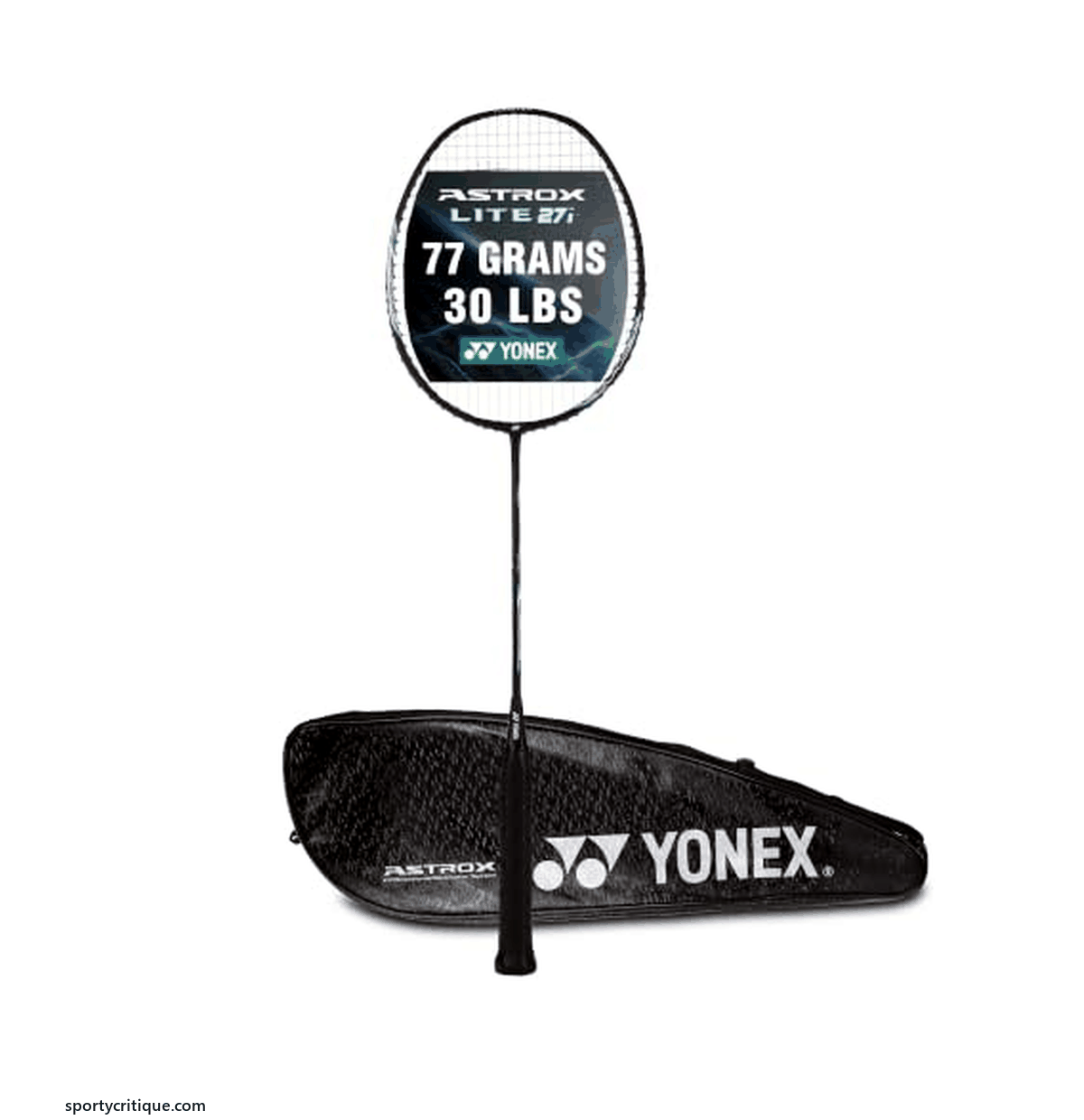
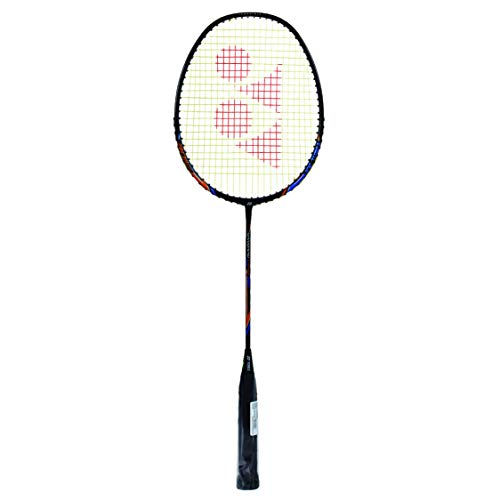
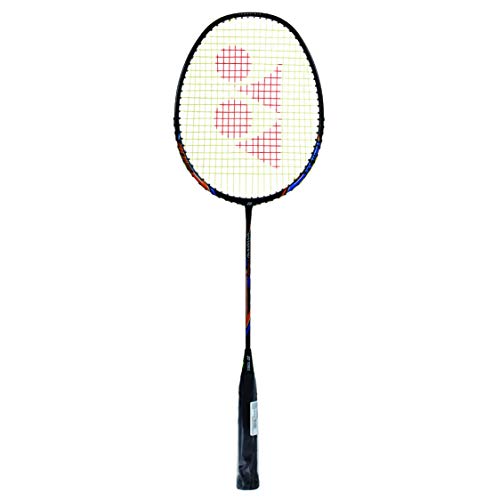
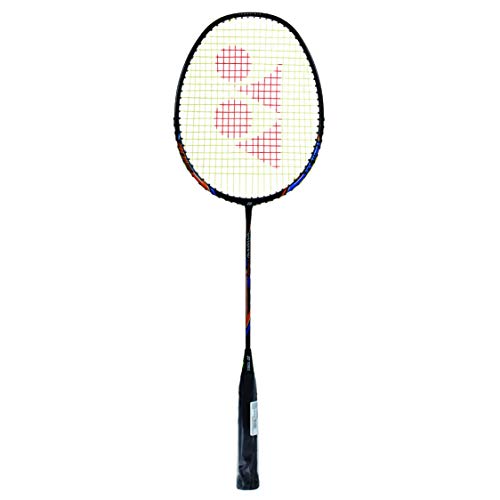
The YONEX Astrox Lite 27i Graphite Badminton Racket is a lighter member of Yonex’s Astrox family at 77 grams, a family generally built around head-heavy attacking play, with this “Lite” version trimmed down for easier handling. That combination, some of the attacking family’s shot-disguise DNA at a meaningfully lower swing weight, is a reasonable fit for a player who wants to keep some smash capability while making drop shots and net touch easier to execute consistently than a full-weight Astrox frame would allow.
Worth noting directly: this isn’t a pure touch specialist racket the way a dedicated Nanoray-style control frame is. It’s a middle path for players who want to keep some attacking ability while improving their drop-shot consistency, rather than a racket built exclusively around net play. If your game is entirely about the net, the control-first guide linked above covers a more specialized option.
Grip security matters more here than elsewhere
A drop shot depends on fine muscle control in your fingers and wrist at the exact moment of contact, which means a handle that shifts even slightly in your grip undermines that control more than it would on a full-power smash where grip precision matters less. The HINZIC Anti-Slip Overgrip Tape (5 Pack) is a straightforward, inexpensive way to address this directly: a perforated, moisture-wicking overgrip that keeps the handle secure through a sweaty session, sold as a 5-pack so a worn grip is a quick swap rather than a reason to put off replacing it.
This is an underrated upgrade for drop-shot-focused players specifically. A worn, slick factory grip that’s fine for backcourt clears can quietly cost you consistency on touch shots without you immediately noticing why your drop shots have gotten less reliable.
⚠️ Watch out: A dead or unevenly-strung racket sabotages drop shots specifically, even if it’s barely noticeable on power shots. If your drop shots have gotten less consistent over time and your technique hasn’t changed, check string age and tension before assuming it’s a skill problem.
Who this actually fits
- ✓You want to keep some smash capability while improving your drop-shot consistency
- ✓You’ve noticed your touch shots are inconsistent even though your technique feels sound
- ✓You play singles and need to disguise shots from the same swing motion
- ✓You’re willing to pair a racket choice with fresh strings and a grip that won’t slip
- ✕Your game is entirely net-focused with little to no backcourt play, see our control guide instead
- ✕You’re chasing maximum smash power above all else, see our professional-tier guide instead
- ✕You’re new to the sport and haven’t developed a consistent full swing yet
- ✕You expect a racket alone to fix inconsistent technique without also practicing the motion
Practicing the disguise, not just the shot
Equipment can only do part of the job here. The actual skill of a drop shot is disguising it as a smash until the last possible instant, which is a repetition-based motor skill more than a gear question. A lighter, easier-to-decelerate racket removes one obstacle, but consistent drop shots still come from deliberately practicing the same backswing and approach for both shots until an opponent genuinely can’t read which one is coming from your motion alone.
💡 Pro tip: Shadow-practice the identical backswing and approach for a smash and a drop shot without a shuttle, focusing purely on making the two motions look identical until the final instant. This isolates the deceleration skill from shot outcome and is a faster way to build consistency than only practicing with live shuttles.
Net-side drop shots versus backcourt drops
Worth distinguishing two related but different shots that both get called “drop shots.” A net-side or tight net shot happens close to the net and depends mostly on wrist and finger touch rather than swing momentum at all, closer to a pure net-play skill. A backcourt drop shot, played from deep in the court and disguised as a clear or smash, depends far more on the deceleration skill this guide focuses on, since there’s real swing momentum built up over a longer stroke that has to be killed convincingly. The racket traits covered here matter most for the backcourt version specifically; pure net touch is closer to the control-first racket profile covered in our separate control guide.
String tension for touch shots specifically
String tension has an outsized effect on drop shots compared to most other shots. Lower tension strings act more like a trampoline, adding unpredictable rebound that makes precisely controlling how far the shuttle travels after a soft touch harder to judge consistently. Higher tension, within the racket’s rated range, reduces that trampoline effect and gives a more direct, predictable relationship between how much force you take off the swing and how far the shuttle actually travels. Most players focused on touch shots and net play string somewhat higher than a pure power player would, for exactly this reason, even on the same physical frame.
This is also why two players can string the identical racket model to completely different tensions and end up with noticeably different drop-shot feel. The frame sets the ceiling on what’s possible; the actual string job determines how much of that potential you can access for touch shots specifically.
Footwork and court position still matter more than gear
No racket choice compensates for being caught flat-footed or out of position when a drop shot opportunity appears. The shot depends on disguising a full swing until the last instant, and that disguise only works if you’re already balanced and set up in a position that could plausibly produce either a clear, a smash, or a drop, before your opponent can read your intent from your footwork alone. Players who telegraph a drop shot through rushed, off-balance footwork give away the shot regardless of how light or well-suited their racket is. If your drop shots are getting read and returned easily, it’s worth video-reviewing your footwork and setup before assuming the racket itself is the limiting factor.
A lighter, easier-to-decelerate racket genuinely helps once your footwork and setup are already sound, it removes one more variable standing between clean technique and a consistent result. It won’t fix a setup problem that happens before the racket ever starts its swing.
Recovery after a drop shot
A drop shot that lands short at the net invites an aggressive return if you’re not already moving to cover that space. Because a lighter racket is easier to decelerate on the way into the shot, it’s also generally easier to bring back up into a ready position immediately afterward, which matters because a well-executed drop shot often draws your opponent forward into their own net exchange, and you need to be ready for a fast return, not still recovering your racket position from the shot you just played. This recovery speed is a secondary but real benefit of the lower swing weight covered earlier in this guide, beyond just making the deceleration itself easier.
Bottom line
Drop-shot consistency comes from a lighter, easier-to-decelerate racket, a secure grip, and fresh strings working together, not any single spec in isolation. Pair the right racket with deliberate disguise practice, and this becomes a repeatable weapon in your game rather than an occasional lucky touch. Start with the racket and grip changes covered here, confirm your string tension and age aren’t quietly working against you, and then put the remaining work into the footwork and disguise practice that no piece of equipment can substitute for.
What racket weight is best for drop shots?
Lighter frames, generally in the 77-83 gram range with a head-light-leaning balance, are easier to decelerate right at contact, which is the core skill a drop shot depends on.
Does string tension affect drop shots?
Yes, noticeably. Fresh, evenly-tensioned strings give predictable rebound that makes touch judgment easier. Dead or unevenly worn strings make drop shots harder to control even with unchanged technique.
Is a drop-shot racket the same as a control racket?
Closely related but not identical. Both favor head-light, lighter-weight frames, but a drop-shot racket specifically needs to handle disguised deceleration from a full swing, while a general control racket is optimized more broadly for net play and precision.
Can grip tape actually improve my drop shots?
A secure, fresh grip helps preserve the fine finger control a drop shot depends on. A worn or slick grip can quietly undermine touch-shot consistency even when your swing technique hasn’t changed.
As an Amazon Associate, we earn from qualifying purchases through links on this page.