Best Badminton Racket for Backhand: Picks for a Weak Side

The right badminton racket for backhand weakness can’t fix technique on its own, but a lighter, head-light-leaning frame reduces how much forearm and wrist strength the backhand swing demands. Here’s how that works, and which pick makes the most practical difference.
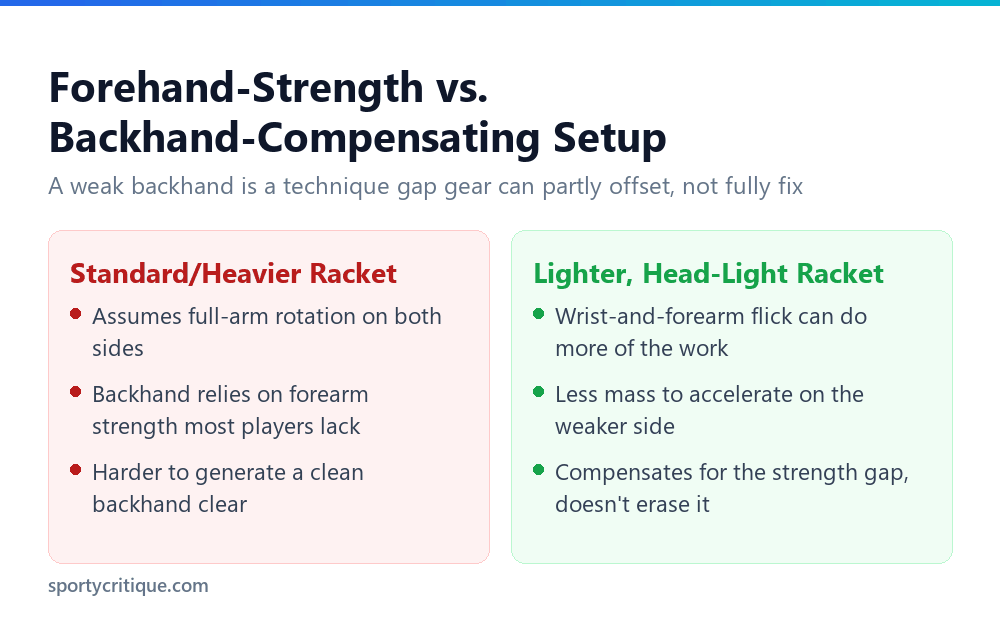
A weak backhand is mostly a technique and biomechanics problem, the backhand swing relies on forearm rotation and wrist strength that most players simply have less of than they have on their dominant forehand side, and no racket fixes that outright. What a lighter, more maneuverable racket can genuinely do is reduce how much raw strength the backhand swing demands, which narrows the gap between your two sides even while lessons and practice do the rest of the work.
Be skeptical of any racket marketed as a literal “backhand fix.” What actually helps is lower overall weight and a head-light-leaning balance, the same underlying traits that help control-first and drop-shot play, applied here to a specific, common weakness rather than a specific shot type. This guide is about that mechanical compensation, not a shortcut around the actual technique work.
- →A weak backhand is primarily a strength and technique gap, not a racket problem
- →Lower overall racket weight is the single biggest gear factor that helps
- →Head-light balance compounds that benefit further, same principle as control-first rackets
- →Grip size affects backhand wrist rotation more than it affects forehand strokes
- →Gear narrows the gap between your sides; it doesn’t replace backhand-specific practice
Table of Contents
Why the backhand is mechanically harder for most players
A forehand stroke uses a full shoulder rotation and the body’s larger muscle groups to generate racket head speed, the same basic motion most people use throwing a ball. A backhand stroke, by contrast, relies much more on forearm rotation and wrist strength alone, since the body can’t rotate into it the same way. Most players, right up through advanced amateur level, simply have less raw strength available in that specific movement pattern than they do in a full-body forehand swing, which is the actual root cause of a weak backhand far more often than poor timing or footwork alone.
A lighter racket directly addresses the strength side of that gap: less mass means the same forearm-and-wrist strength produces more racket head speed, which translates into a cleaner, higher backhand clear instead of one that falls short of the back line. It won’t build the strength itself, but it lowers the bar the existing strength needs to clear. Think of it as adjusting the equipment to match the strength you currently have on that side, rather than asking your backhand to somehow match a racket built around your forehand’s greater strength.
Our pick for this angle

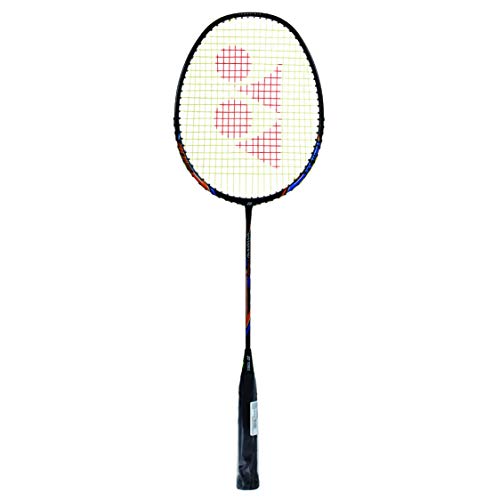
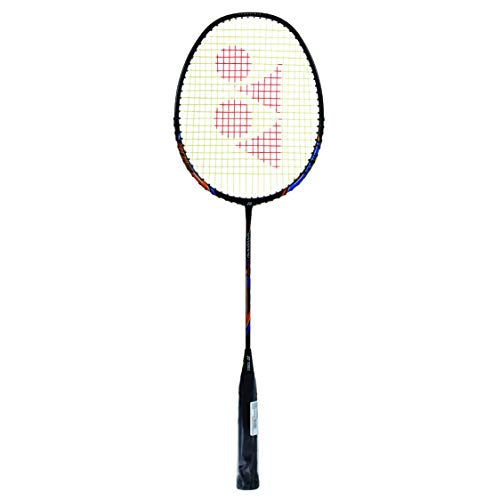
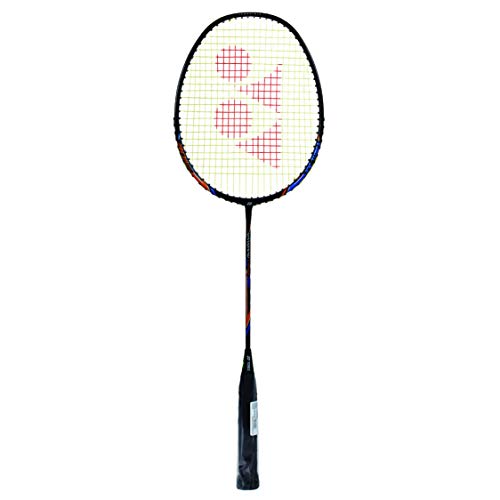
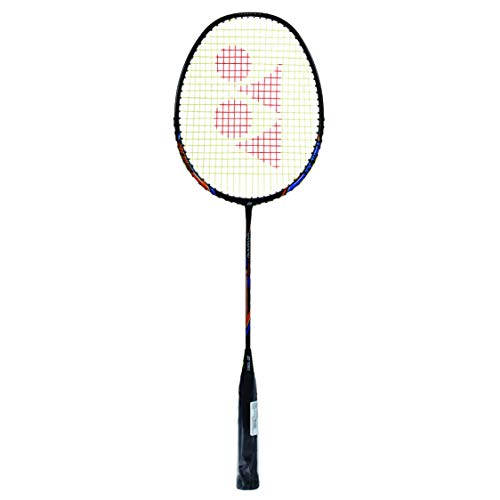
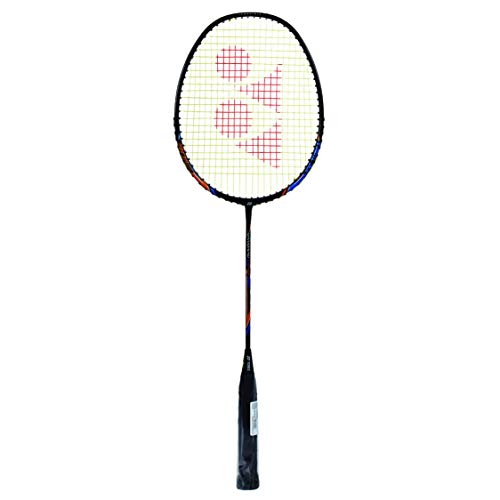
The Senston N80 Carbon Fiber Badminton Racket (79g, Set of 2) lists an explicit 79-gram weight, on the lighter end of the typical adult range, in a carbon fiber build sold as a two-racket set. That weight is the relevant spec here: a full 10-15 grams lighter than a mid-weight intermediate racket doesn’t sound like much on paper, but across dozens of backhand swings in a match, that difference in how much mass your forearm has to accelerate adds up to a real, felt difference in how tired and how weak your backhand feels by the third game.
Because it’s sold as a set of two, it’s also a practical option if you’re shopping for a hitting partner or a family member alongside yourself, without paying single-racket pricing twice. The carbon fiber build keeps the frame light without the fragility of the cheapest aluminum options.
A lighter budget alternative
The Senston Carbon Composite Badminton Set of 2, Lightweight is a lower-cost lightweight carbon composite set, also sold as a pair with a carry bag, aimed more at casual and backyard play than serious training. It doesn’t list as precise a weight spec as the N80 set, but “lightweight” is a consistent theme across its listing, and at under $35 it’s a low-risk way to test whether a lighter frame actually helps your backhand before spending more on a dedicated single racket.
⚠️ Watch out: A racket change narrows the gap, it doesn’t close it. If your backhand clear still doesn’t reach the back line after a genuine adjustment period with a lighter racket, the limiting factor is technique, most commonly incomplete forearm rotation or a late wrist snap, not equipment. Consider a lesson or two focused specifically on backhand mechanics alongside any gear change, since an experienced coach can usually spot the specific mechanical gap in a single focused session faster than months of unguided solo practice on your own.
Who this actually helps
- ✓Your backhand clear consistently falls short of the back line
- ✓Your backhand feels noticeably more tiring than your forehand by the third game
- ✓You’ve already had some coaching on backhand technique and want gear to reinforce it
- ✓You’re choosing between two similar rackets and want the tiebreaker to favor your weaker side
- ✕Your backhand issue is timing or footwork rather than strength, a lighter racket won’t fix that
- ✕You haven’t had any backhand-specific coaching yet, technique work should come first
- ✕You’re already using a lightweight racket and the backhand issue persists
- ✕You’re looking for a single magic-spec racket instead of a genuine technique investment
Grip size and backhand wrist rotation
Grip size affects the backhand more than most players expect, because the backhand swing depends on wrist rotation in a way the forehand doesn’t lean on nearly as much. A grip that’s too thick restricts exactly that rotation, which compounds a weak backhand on top of the strength gap already covered above. If you’re between grip sizes, sizing down and adding a thin overgrip preserves more of that rotational freedom than sizing up and hoping to adjust later. This is worth checking even if you’ve already addressed racket weight, since a too-thick grip can undo some of that benefit on its own.
💡 Pro tip: Test your current grip size specifically on backhand shots, not just forehand feel. A grip that feels fine on a forehand swing can still restrict the tighter wrist rotation a clean backhand needs. Doing this check takes under a minute and costs nothing, which makes it worth ruling out before spending money on a new racket at all.
A simple backhand strength drill
Alongside any racket change, a basic strength exercise worth doing regularly: hold the racket in backhand grip and practice slow, controlled forearm rotations and wrist snaps without a shuttle, focusing on the same motion path a real backhand clear uses. A few minutes of this several times a week builds the specific strength a backhand swing needs in a way general fitness training usually doesn’t target directly, since it’s a fairly isolated movement pattern most other sports and workouts don’t emphasize.
Backhand clear versus backhand drive versus backhand net shot
“Weak backhand” usually gets used as a catch-all, but the strength gap shows up differently depending on the specific shot. A backhand clear, hit from the backcourt and needing to travel the full length of the court, is where the strength shortfall is most visible, since it demands the most racket head speed of any backhand shot. A backhand drive, a flatter, faster exchange usually played from mid-court, needs less raw power and more quick wrist snap, so a lighter racket helps here too but the gap between forehand and backhand tends to be smaller to begin with. A backhand net shot relies almost entirely on touch rather than power, so weight matters less there than technique and feel. If your backhand weakness is specifically the clear falling short, gear changes matter more; if it’s net-shot precision, technique and practice matter more than the racket.
A common overcorrection to avoid
Some players respond to a weak backhand by grabbing the lightest, most extreme racket available, assuming maximum lightness equals maximum help. Past a certain point that stops helping and starts hurting: an extremely light frame with too little mass can feel unstable and hard to control on the shots where you do have adequate strength, including your forehand, and it can also reduce the racket’s natural momentum on a backhand clear to the point where you’re compensating with an even more exaggerated wrist snap that’s harder to time consistently. The moderate weight reduction covered in this guide, roughly 10-15 grams below a standard intermediate racket rather than the absolute lightest frame on the market, tends to serve most players better than chasing the extreme.
How long before you notice a real difference
A lighter racket’s benefit on backhand shots is partly immediate, less mass to accelerate is felt from the first swing, but the fuller benefit takes a few sessions to show up as your arm adjusts to the new weight and timing. Give a racket change at least two to three sessions before judging whether it’s actually helping, since the first session with any new racket often feels slightly off regardless of whether the change itself is the right one. If your backhand clear still consistently falls short of the back line after that adjustment window, that’s a reasonably reliable signal the remaining gap is technique rather than equipment, and worth addressing with focused coaching instead of another gear change.
Bottom line
A lighter, head-light-leaning racket is a real, mechanically sound way to narrow the gap between a strong forehand and a weak backhand, since it directly reduces how much forearm and wrist strength the backhand swing demands. It’s not a substitute for backhand-specific practice and coaching, but paired with that work, it’s a legitimate piece of the fix rather than a gimmick. Treat the racket change as the easy, low-effort half of the fix, and put the harder, more valuable effort into the forearm rotation and wrist-snap practice that actually closes the remaining gap between your two sides over a full season of regular play.
Can a racket actually fix a weak backhand?
Not on its own. A lighter, head-light-leaning racket reduces the strength demand of the backhand swing, which helps, but the underlying strength and technique gap still needs dedicated practice to close.
What racket weight helps most with a weak backhand?
Lighter frames, generally under 80 grams, reduce how much forearm and wrist strength the backhand swing needs to generate racket head speed, which is the core mechanical benefit.
Should I change my grip instead of buying a new racket?
Both matter. Grip size affects backhand wrist rotation directly, so checking that your current grip isn’t too thick is worth doing whether or not you also switch to a lighter racket.
Is it worth getting coaching for a weak backhand instead of just changing gear?
Ideally both. Gear changes narrow the gap; coaching addresses the underlying technique and strength issue directly. Players who only change gear often hit a ceiling that only technique work can move past.
As an Amazon Associate, we earn from qualifying purchases through links on this page.