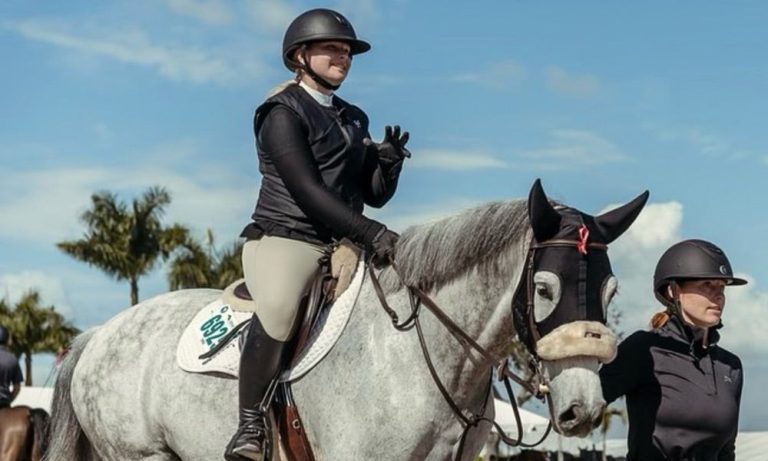
Best Horse Riding Gloves for Rein Grip and Durability: Synthetic ROECK-GRIP, Touchscreen Compatibility, and Rein Friction Reinforcement

In equestrian athletics, the hands are the conduit through which a rider establishes a soft, elastic, and responsive connection with the horse’s mouth. Through two strips of leather, rubber, or webbing reins connecting to the bit rings, the rider transmits micro-adjustments in rein tension that regulate pace, flexion, bend, and collection. Riding with bare hands is a severe liability; sweat, rain, or a sudden head toss from a thousand-pound horse can wrench reins through bare fingers, causing painful friction rope burns and loss of control.
However, wearing generic heavy work gloves or winter mittens is equally disastrous. Bulky materials insulate sensory nerve endings in the fingertips, deadening the rider’s feel on the bit and leading to heavy, involuntary pulling that hardens the horse’s mouth. A certified equestrian riding glove must balance durable rein friction reinforcements with paper-thin second-skin tactile sensitivity. This comprehensive gear guide analyzes top-rated horse riding gloves across dressage, show jumping, eventing, and daily barn training.
Table of Contents
Anatomy of an Equestrian Glove: Rein Path Friction Reinforcements
Unlike standard fashion or cycling gloves, equestrian gloves are engineered around the specific anatomical path of the reins:
The Entry Rein Zone (Ring to Pinky Finger): The standard equestrian rein hold routes the rein upward between the fourth finger (ring finger) and fifth finger (pinky finger), across the palm, and exits over the second knuckle of the index finger beneath the clamped thumb. As a horse works into the bridle, the rein vibrates and saws constantly against these contact borders. High-performance riding gloves integrate double-stitched reinforcement patches along the inner web of the pinky and ring finger to prevent premature friction blowouts.
The Exit Rein Zone (Thumb and Index Finger): Where the rein exits the fist and is locked down by the thumb pad, gloves feature an extended thumb reinforcement strip. This double-layer panel withstands heavy downward torque when half-halting an eager jumper approaching a fence.
Articulated Knuckle Gussets: Holding a soft, closed equestrian fist requires deep finger flexion. Flexible Lycra or Spandex inserts placed across the proximal interphalangeal joints eliminate leather bunching across the knuckles, preventing hand fatigue during multi-hour schooling sessions.
Top Equestrian Riding Gloves: Technical Comparison Matrix
| Glove Model | Material & Palm Technology | Rein Reinforcement Points | Weather Versatility | Target Equestrian Discipline |
|---|---|---|---|---|
| Roeckl Roeck-Grip Gloves | Exclusive ROECK-GRIP synthetic PU | Double-stitched between 4th/5th & thumb | All-season breathable second-skin feel | Dressage showing, show jumping, FEI |
| SSG 10 Natural All-Weather | Aquasuede Plus synthetic palm | Reinforced key stress panels | High grip in torrential rain and sweat | Cross-country eventing, schooling, trail |
| Ariat Tek Grip Gloves | Synthetic suede with stretch mesh back | Reinforced rein fingers with articulated knuckles | Warm-weather high-breathability training | Daily barn schooling, hunter/jumper |
| Kerrits GripTek Equestrian Gloves | Textured synthetic microfiber palm | Extended inner index finger wrap | Touchscreen compatible, elastic cuff | Endurance riding, lessons, hacking |
| Dublin Pro Suede Gloves | Soft synthetic suede with stretch panels | Padded rein panels along palm border | Durable everyday training and barn work | Junior riders, pony club, club schooling |
Top Equestrian Riding Gloves: Detailed Technical Reviews
1. Roeckl Roeck-Grip Gloves: The undisputed gold standard across international dressage and show jumping arenas worldwide. Manufactured in Germany from an exclusive synthetic polyurethane material that is exceptionally breathable, elastic, and supple. Fitting precisely like a second skin, ROECK-GRIP delivers extraordinary tactile sensitivity on the reins while providing high wet and dry grip. Machine washable and long-lasting, it represents the definitive competition glove.
2. SSG 10 Natural All-Weather: The legendary workhorse for cross-country eventing, rainy schooling days, and daily barn chores. Constructed with an Aquasuede Plus synthetic palm that actually increases its grip friction as it gets wetter with rain or horse sweat. Completely unlined for high tactile feel, with a soft cotton terry wrist back that wipes sweat away from the brow.
3. Ariat Tek Grip Gloves: Engineered for hot-weather schooling and active hunter/jumper riders. Featuring a synthetic suede palm with reinforced stress zones paired with a breathable stretch mesh back. Ariat incorporates articulated knuckle construction that conforms naturally to the curved fingers of a rein hold without pulling.
4. Kerrits GripTek Equestrian Gloves: Tailored for schooling lessons, trail riding, and endurance hacking. The textured GripTek palm provides dependable hold on smooth leather and rubberized reins, while touchscreen conductible thread integrated into the thumb and index finger pads allows smartphone operation without removing gloves.
5. Dublin Pro Suede Gloves: An outstanding value choice for young riders, pony club members, and everyday stable training. Soft synthetic suede palms deliver reliable rein friction, while elastic wrist cuffs with adjustable hook-and-loop closures ensure a secure, debris-free fit around the wrists.
Material Technology: Synthetic Polyurethanes vs Genuine Cabretta Leather
Equestrian glove manufacturing has evolved beyond traditional animal hides:
Advanced Polyurethane Synthetics (ROECK-GRIP and Aquasuede): High-end synthetic textiles provide uniform elasticity in both warp and weft directions. Unlike animal leather which varies in thickness and grain density, synthetic textiles are engineered with microscopic breathability pores that vent palm heat. They do not stiffen or crack after being soaked in horse sweat or rain, and they can be thrown into standard washing machines without degrading.
Cabretta and Lambskin Leathers: Natural fine-grain sheepskin leather offers a traditional luxurious feel and elegant appearance in formal show rings. However, genuine leather requires meticulous maintenance with specialized leather balms. If soaked in sweat and allowed to dry in sunny tack rooms, natural leather hardens into a cardboard-like consistency that requires tedious oiling to restore flexibility.
Rein Material Compatibility: Rubber, Webbed, Leather, and Biothane
Different rein styles interact uniquely with riding glove palm compounds:
Rubber Pimple Reins: Widely used in eventing and show jumping. Heavy vulcanized rubber with raised dimples provides massive mechanical friction. Soft synthetic suede palms bond aggressively to rubber pimple reins, requiring virtually zero finger squeeze to hold rein length over massive cross-country banks and water jumps.
Smooth Laced Leather Reins: The traditional hunter and equitation standard. Smooth bridle leather requires glove palms with high static friction (such as ROECK-GRIP) to prevent the reins from slipping through sweaty fingers during subtle collection adjustments.
Continental Webbed Reins: Feature cotton webbing interwoven with rubber tracer threads and leather stops every four inches. These reins provide excellent tactile landmarks for junior riders, pairing effectively with synthetic suede gloves.
Tactile Sensitivity and the Independent Hand
The concept of the independent hand is central to high-level horsemanship:
The Sensitive Mouth Interface: The horse’s bars (the interdental space where the bit rests) and tongue are lined with sensitive mucosal tissue and nerve endings. A skilled rider maintains a soft, giving contact measuring only ounces of pressure. Second-skin gloves transmit subtle vibrations from the bit directly into the rider’s sensory mechanoreceptors, allowing the rider to feel the horse swallowing, relaxing its jaw, or leaning against one rein.
Eliminating Over-Gripping: When gloves lack friction grip, the rider must clench their fingers into tight, white-knuckled fists to keep reins from slipping. This tight fist stiffens the entire arm, locking the wrists, elbows, and shoulders, which creates jarring tension in the horse’s neck. High-friction gloves allow the rider to hold reins securely with a relaxed, soft hand.
Sizing Precision: Measuring in French Glove Inches
Riding gloves follow European traditional sizing scales for an exact custom fit:
The Knuckle Measurement: Using a soft tailor tape measure, measure around the widest circumference of your dominant hand across the metacarpal knuckles, excluding the thumb. Make a relaxed fist while measuring. The circumference in inches corresponds directly to European glove sizes (size 6.0 through 11.0, with half-sizes available in premium brands like Roeckl).
Fingertip Clearance: When trying on new gloves, the fingertips should reach the end of the glove finger seams without excess slack or tight pulling against the fingernail beds when curling the hand around reins.
Touchscreen Conductivity Integration
Modern equestrians manage coaching timers, course maps, and communications from the saddle:
Silver Conductive Fiber Weaves: Advanced riding gloves integrate silver-plated metallic thread into the thumb and index finger pads. This allows riders to answer phone calls, review digital course diagrams, or start stopwatch timers on capacitive smartphone touchscreens without removing their gloves in cold barn aisles.
Seasonal Adaptations: Summer Ventilation vs Winter Insulation
Equestrians train year-round across extreme weather shifts:
Summer Heat and Mesh Ventilation: Riding in eighty-degree humidity leads to sweaty, slippery hands inside solid leather gloves. Summer gloves integrate open-cell stretch mesh or solar-tan-through fabrics across the back of the hand, venting heat while maintaining a synthetic grip palm.
Winter Polar Fleece and Thinsulate: In freezing winter arenas, cold hands lose dexterity, making it impossible to feel rein contact. Winter riding gloves incorporate 40g to 70g of 3M Thinsulate insulation or micro-fleece linings paired with windproof softshell backings, keeping fingers warm while retaining a slim palm profile for stirrup and rein management.
Seam Construction Engineering: Inseam vs External French Seams
The method used to stitch glove panels together directly affects internal comfort:
Traditional Inseams: Most standard riding gloves use internal seams where the cut leather edges fold inside the finger stalls. While providing a neat exterior finish, heavy interior thread ridges can rub against sensitive fingernail cuticles and side borders during long training sessions.
External French Seams (Outseam Construction): Premium endurance and dressage gloves often employ outseam stitching, where thread and excess material are sewn on the exterior surface. This leaves the interior glove cavity silky smooth, completely eliminating internal friction blisters during four-hour endurance trail rides.
Biomechanical Alignment: The Straight Line from Elbow to Bit
Holding riding gloves correctly is essential for optimal musculoskeletal alignment:
The Elastic Arm Pipeline: Classical riding requires an unbroken straight line extending from the rider’s elbow through the forearm, wrist, and hand along the rein to the horse’s bit ring. Breaking this line by bending the wrists inward (piano hands) or dropping the knuckles flat creates tension that restricts the natural following movement of the rider’s arms.
Thumbs on Top Geometry: Holding hands with thumbs pointing upward at thirty degrees establishes a firm mechanical bridge over the reins. The thumb clamps down onto the rein like a clothespeg against the second knuckle of the index finger, allowing the remaining four fingers to relax and vibrate with the horse’s chewing motion.
Preserving Grip: Why Riding Gloves Must Not Be Used for Barn Chores
Protecting your financial investment in performance gloves requires discipline around the stables:
The Abrasive Nature of Stable Work: Dedicated riding gloves are constructed with ultra-thin synthetic films (0.5mm) optimized for tactile sensitivity on soft leather reins. Using riding gloves to lift wooden pitchforks, drag rubber water hoses, or carry coarse hay bales saws through thin synthetic palms in a few days. In addition, holding nylon lunge lines during vigorous groundwork can generate sudden friction that melts synthetic fabrics.
Two-Glove Rule: Keep a pair of heavy-duty goatskin work gloves in your tack locker for stall chores, grooming, and lunging, reserving your fine ROECK-GRIP gloves exclusively for mounted riding sessions.
Show Ring Protocol: Dressage Whites vs Hunter Browns
Show sanctioning bodies (USEF, FEI, British Dressage) enforce strict dress codes:
Dressage Etiquette: At upper levels (Prix St. Georges through Grand Prix), riders wear white or cream gloves. White gloves visually highlight the stillness and independence of the rider’s hands against the dark coat of the horse. Any unsteady bobbing or erratic pulling is immediately apparent to judges.
Hunter and Equitation Divisions: In traditional hunt seat and equitation classes, subtlety is rewarded. Gloves must be conservative black, dark brown, or navy matching the rider’s hunt coat, blending inconspicuously into the horse’s neck.
Washing, Maintenance, and Hook-and-Loop Care
Proper cleaning prolongs the life of equestrian gloves:
Machine Washing Synthetics: Wash synthetic gloves regularly to remove sweat salt crystals that stiffen fibers. Use cold water (thirty degrees Celsius) on a delicate cycle with gentle detergent. Never put riding gloves into a heated tumble dryer; air dry them flat in the shade away from direct heat sources.
Fastening Velcro Tabs: Always close the wrist hook-and-loop tabs before placing gloves in a wash machine or storage bag. Open velcro hooks catch on delicate mesh backs and riding breeches, causing severe fabric pilling and snagging.