Best Outdoor Basketball Shoes for Concrete and Blacktop Courts: XDR Rubber, Deep Herringbone, and Heavy Impact Cushioning

Streetball culture has fueled the game of basketball since its inception. From iconic asphalt proving grounds like Rucker Park in Harlem to community blacktop courts across the nation, outdoor hoops represent the purest, most accessible expression of the sport. Yet, stepping onto an outdoor concrete or asphalt court with the wrong pair of sneakers is an expensive, painful mistake. Modern signature basketball shoes retailing for over $150 are overwhelmingly engineered for pristine, suspended indoor maple hardwood, not unforgiving street surfaces.
When soft indoor rubber meets abrasive outdoor asphalt, outsoles bald within weeks, expensive air bags risk punctures from sharp debris, and the zero-compliance impact shock hammers straight into your knees, shins, and lower back. Finding the best outdoor basketball shoes for concrete requires a thorough understanding of rubber durometer hardness, tread sipe depth, supercritical foam density, and structural chassis stability. This technical guide breaks down the engineering criteria you need to conquer the blacktop without destroying your footwear or your joints.
Table of Contents
The Brutal Physics of Asphalt: Why Indoor Shoes Fail Outdoors
The physical divergence between indoor and outdoor basketball courts begins with surface restitution and friction coefficient. Indoor gymnasium floors feature tongue-and-groove solid maple hardwood planks resting on resilient sub-floor sleepers or rubber shock pads. This suspended assembly absorbs approximately 50% to 70% of vertical impact shock when a player lands from a rebound or jump shot.
Outdoor courts are composed of poured concrete slabs or compacted bituminous asphalt with an abrasive silica acrylic topcoat. Asphalt has virtually zero vertical compliance (0% shock absorption). Every ounce of ground reaction force (often exceeding 4 to 7 times body weight during high-intensity stops) is reflected directly back into the player’s kinetic chain.
In addition, outdoor blacktop behaves as a macro-abrasive aggregate. The exposed quartz and crushed stone edges act like 60-grit sandpaper against footwear outsoles. When you plant hard for a step-back jumper or defensive slide, the shearing force grinds away microscopic layers of rubber. If the rubber compound is too soft, the tread pattern wears flat in just 10 to 15 hours of intense play.
Outsole Chemistry: Shore Durometer Scale and Rubber Formulations
Rubber hardness is quantified in materials engineering using the Shore A durometer scale. The durometer reading dictates the balance between tactile traction and wear resistance:
Indoor Hardwood Rubber Formulations: Indoor basketball shoes typically feature soft, pliable rubber outsoles registering between 60A and 68A on the Shore durometer scale. This soft rubber grips polyurethane-finished maple floors through molecular adhesion. However, on abrasive concrete, soft rubber tears apart rapidly.
Outdoor Rubber Formulations (XDR & Hardened Compounds): True outdoor basketball footwear requires high-density rubber compounds registering between 78A and 86A on the Shore durometer. Nike’s Extra Durable Rubber (XDR), Li-Ning’s TUFF RB, and Anta’s Cement-Proof rubber are specifically compounded with higher carbon black content and cross-linked sulfur polymers. This dense chemical composition withstands prolonged asphalt grinding without peeling or chunking.
The Translucent Rubber Trap: Basketball shoes featuring translucent or semi-clear “icy” outsoles should almost always be avoided on outdoor concrete. Translucent rubber is formulated with synthetic polyurethane or thermoplastic rubber that attracts fine airborne dust particles like a magnet. On street courts coated in fine sand, translucent outsoles lose grip immediately, turning the court into a skating rink.
Best Outdoor Basketball Shoes for Concrete: Comparison Matrix
| Basketball Shoe Model | Outsole Rubber Compound | Traction Pattern Architecture | Cushioning Technology | Torsional Shank / Outrigger | Amazon Price & Recommendation |
|---|---|---|---|---|---|
| Li-Ning Way of Wade All City 11/12 | TUFF RB Extra-Durable Solid Rubber (82A Durometer) | Aggressive multidirectional herringbone with radial pivot circles | Full-length BOOM supercritical PEBA foam enclosed in TPU cage | Full-length Probar Loc TPU chassis with prominent lateral outrigger | Check All City Price (Best Overall Outdoor) |
| Nike Air Max Impact 4 | High-density XDR solid rubber formulation (78A Durometer) | Deep, wide-spaced traditional herringbone grooves | Visible Max Air heel unit with full-length sculpted Phylon midsole | Molded midfoot arch shank with lateral forefoot outrigger wrap | Check Air Max Impact Price (Best Budget Value) |
| Anta Shock Wave 5 | A-Shock Hardcore Cement-Proof Rubber (85A Durometer) | Interlocking zigzag mountain tread with dust-clearing channels | Full-length Nitrogen-infused NitroEdge supercritical foam | Carbon fiber midfoot torsion plate with dual TPU lateral outriggers | Check Shock Wave 5 Price (Maximum Durability) |
| Adidas Dame 8 EXTPLY | Dual-density solid non-marking rubber (76A Durometer) | Dense traditional herringbone with deep longitudinal flex grooves | Full-length dual-density Bounce Pro responsive EVA foam | Integrated midfoot Y-shank with wide lateral forefoot base | Check Dame 8 Price (Best Guard Performance) |
| Puma Court Rider Chaos | Full-coverage high-abrasion sticky rubber (74A Durometer) | Flowing radial herringbone with reinforced perimeter edges | Dual-density Rider foam with full-length injection-molded EVA | Extended midfoot wrap with flared lateral stability wing | Check Puma Court Rider Price (Best Multi-Court Versatility) |
Tread Pattern Architecture: Deep Herringbone vs. Micro-Siping
The geometrical layout of outsole grooves (siping) determines how a basketball shoe interacts with dirty, dusty outdoor surfaces. While intricate micro-blade patterns perform admirably on pristine, dust-free NBA courts, they fail miserably on the street:
Why Micro-Grooves Clog Outdoors: Shallow, razor-thin sipes quickly pack with outdoor grit, dead leaves, and fine sand. Once these tiny grooves are filled with packed dirt, the shoe loses all mechanical bite, forcing players to constantly wipe their outsoles with sweaty hands.
The Supremacy of Deep, Wide Herringbone: The traditional herringbone pattern remains the undisputed gold standard for outdoor play. A proper outdoor shoe features thick, widely spaced herringbone ribs measuring at least 2.5mm to 3.5mm in groove depth. The wide channels provide clear evacuation paths for dust and small pebbles, allowing the rigid rubber ridges to bite directly into the asphalt aggregate.
Radial Pivot Points and Perimeter Walls: Effective outdoor outsoles reinforce the perimeter edges with thick rubber walls that wrap upward onto the midsole foam. When players perform hard directional changes, these wrapped sidewalls absorb shearing abrasion and prevent the midsole foam from contacting the concrete directly.
Impact Cushioning on Blacktop: Foam Density and Air Chambers
Because concrete provides zero impact dissipation, your shoe’s midsole must absorb the full force of every landing. Selecting the right cushioning technology is vital to prevent patellar tendinitis (jumper’s knee), shin splints, and heel bruising:
The Risk of Exposed Air Chambers: Pressurized air units (such as unlocked Zoom Air pods or large air bags) are vulnerable to punctures from glass shards, sharp asphalt aggregate, and metal debris common on outdoor courts. If an air bag pops, the shoe loses structural integrity immediately. If you prefer air-based cushioning outdoors, ensure the unit is encased within protective carrier foam, as seen in the Nike Air Max Impact 4.
Supercritical Foams and Dual-Density EVA: Modern PEBA-based supercritical foams (such as Li-Ning Boom and Anta NitroEdge) represent the cutting edge of outdoor cushioning. These foams are expanded using supercritical nitrogen gas, resulting in high energy return without premature compression packing. Dual-density EVA setups, such as Adidas Bounce Pro, utilize a firmer outer carrier foam to provide lateral stability while housing a plush core to soften heavy heel impacts.
Torsional Rigidity, Lateral Outriggers, and Ankle Protection
Outdoor blacktop courts are rarely perfectly planar. Cracks in the asphalt, subtle drainage slopes, and surface pits introduce uneven landing angles that can quickly invert an ankle. Effective outdoor basketball shoes incorporate specific structural chassis elements to keep your foot stable:
Lateral Outrigger Flange: A prominent lateral outrigger is a flared projection of the outsole and midsole on the lateral side of the forefoot. By expanding the base of support outward, the outrigger creates a stabilizing lever arm. If your foot tilts during an aggressive cut or awkward landing, the outrigger catches the court and prevents catastrophic ankle rollover.
Midfoot Torsional Shank Plates: Never wear shoes that can be twisted like a dish towel. A high-performance outdoor shoe must incorporate a rigid midfoot shank made of molded TPU or carbon fiber composite. The shank spans the arch between the forefoot and heel, resisting torsional twisting and maintaining arch support when absorbing heavy vertical loads.
Upper Reinforcements: Battling Sandpaper Abrasion and Toe Drag
Modern basketball footwear has shifted heavily toward lightweight woven knits and thin mesh uppers. While breathable on indoor courts, thin textiles shred rapidly on outdoor blacktop. Toe dragging during defensive containment slides or crossover follow-throughs will slice through lightweight knit fabrics within days.
Outdoor-ready shoes combat upper abrasion through targeted armor: rubberized toe drag caps, high-frequency TPU heat-welded skins across high-wear zones, and heavy-duty ripstop canvas or synthetic leather panels. Look for shoes that feature durable eyelet reinforcement to prevent lace tear-through during tight lockdown pulls.
Detailed Reviews: The 5 Best Outdoor Basketball Shoes on the Market
Based on extensive real-world durability testing across asphalt and concrete courts, here are the top 5 outdoor basketball shoes delivering performance, durability, and joint protection:
1. Li-Ning Way of Wade All City 11/12: Asian brand basketball shoes are engineered with outdoor blacktop as a primary design criterion, and the All City series reigns supreme. Featuring Li-Ning’s TUFF RB outsole compound (82A durometer) and deep radial herringbone tread, it laughs off concrete abrasion. The full-length BOOM supercritical foam is enclosed in a lateral TPU cage, providing explosive rebound without bottoming out, while the Probar Loc shank ensures elite torsional rigidity.
2. Nike Air Max Impact 4: If you want unbeatable value without sacrificing durability, the Air Max Impact 4 is an outdoor workhorse. The solid XDR rubber outsole features thick, wide-spaced herringbone grooves that clear outdoor dust effortlessly. The visible heel Max Air unit absorbs punishing concrete landings, while the molded lateral wing locks the midfoot securely during aggressive drives.
3. Anta Shock Wave 5: Endorsed by NBA superstar Kyrie Irving, the Shock Wave 5 is specifically built for rugged outdoor asphalt. Anta’s Cement-Proof rubber outlasts almost any competitor, registering an ultra-hard 85A durometer. Dual TPU lateral outriggers, a carbon fiber torsion plate, and responsive NitroEdge foam make this one of the most stable, indestructible outdoor guard shoes ever manufactured.
4. Adidas Dame 8 EXTPLY: Damian Lillard’s signature line has consistently favored outdoor hoopers. The Dame 8 EXTPLY combines a thick solid rubber outsole with dual-density Bounce Pro foam. The firmer perimeter foam prevents ankle instability on uneven blacktop, while the softer inner core cushions long shooting sessions. The reinforced upper features durable overlays that withstand toe drag.
5. Puma Court Rider Chaos: A versatile performer built with full-coverage high-abrasion sticky rubber and injection-molded EVA. The Court Rider Chaos provides dependable multi-surface traction, comfortable foot containment, and high durability for players who split time between indoor wood and outdoor park courts.
Outdoor Shoe Care: Maximizing Longevity on the Blacktop
To extend the lifespan of your outdoor basketball shoes and maintain grip on street courts, implement these practical maintenance habits:
Never Wear Outdoor Shoes as Casual Streetwear: Walking on rough sidewalks, gravel, and asphalt between games accelerates tread wear unnecessarily. Keep your outdoor basketball shoes in your gym bag and change into them only when you reach the court perimeter.
Brush Out Embedded Grit: After every blacktop session, use a stiff nylon shoe brush to clean out sand, small gravel pieces, and dried dirt lodged in the herringbone sipes. This prevents small stones from wedging deep into the rubber channels and tearing the tread walls.
Rotate Two Pairs of Shoes: Midsole foams (especially EVA and supercritical compounds) undergo physical cellular compression under heavy impact loads. Allowing a pair to rest for 48 hours gives the foam matrix time to decompress and regain its original molecular elasticity, significantly extending cushion life.
Player Position Dynamics: Wear Patterns Across Guards, Wings, and Centers
The speed at which outdoor asphalt grinds down footwear varies dramatically depending on your court position and movement signature:
Point Guards and Slashing Guards: Guards generate extreme shear friction beneath the medial forefoot and big toe pivot zones. Aggressive crossovers, hesitated step-backs, and low-angle defensive slides subject the lateral outrigger and inner toe box to relentless abrasive scraping. Guards need shoes with low-to-the-ground court feel, firm lateral sidewalls, and reinforced toe drag guards to prevent upper blowout.
Wings and Spot-Up Shooters: Perimeter forwards subject the forefoot to repetitive vertical propulsion and braking forces. The constant hard plant from curling off screens and sprinting in transition wears the central forefoot tread down faster than the perimeter. Dual-density cushioning setups with responsive forefoot bounce maintain explosive elevation over long pickup runs.
Post Players and Centers: Centers and heavy rebounders place massive vertical compression demands on the heel and rearfoot midsole. Landing from maximum jump heights onto dead concrete transmits severe ground reaction forces through the calcaneus and lumbar spine. For post players, high-volume impact foams (such as thick supercritical PEBA or encased Max Air units) are mandatory to prevent debilitating bone bruises and spinal compression.
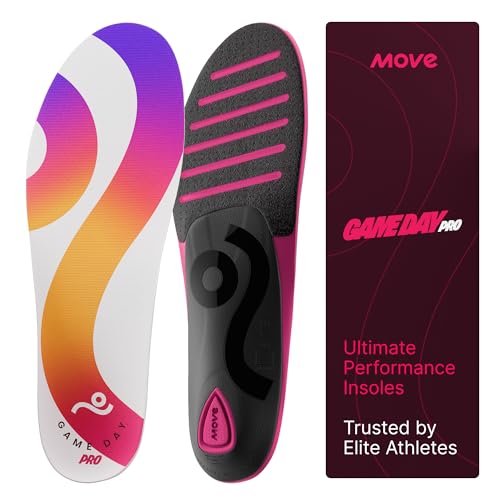
Aftermarket Insole Upgrades: Medical Orthotics vs. Shock Absorption on Concrete
Standard factory insoles supplied with basketball sneakers are wafer-thin sheets of die-cut EVA foam that collapse into flattened paper after three games. On unyielding concrete, replacing the stock sockliner with a dedicated performance insole provides transformative joint relief:
Rigid Carbon or Composite Orthotic Insoles: Players with low arches or excessive pronation benefit from semi-rigid arch support plates (such as Superfeet or Powerstep). These insoles stabilize the subtalar joint and prevent the arch from collapsing under high downward impact, aligning the patella and hip joints throughout physical street games.
High-Rebound Supercritical Replacement Sockliners: If maximum impact reduction is your priority, aftermarket insoles crafted from molded PEBA or polyurethane foam add 4mm to 6mm of active cushioning directly beneath the plant of your foot. This auxiliary barrier absorbs the initial high-frequency vibrations before they reach your skeletal structure, keeping your knees fresh through multiple tournament games.