Best Walking Tennis Shoes for Men: All-Day Comfort Picks

Walking tennis shoes for men, meaning all-day comfort sneakers rather than on-court performance shoes, come down to three verified picks below, each checked for live price and stock, and each solving a genuinely different comfort need than our on-court guide.

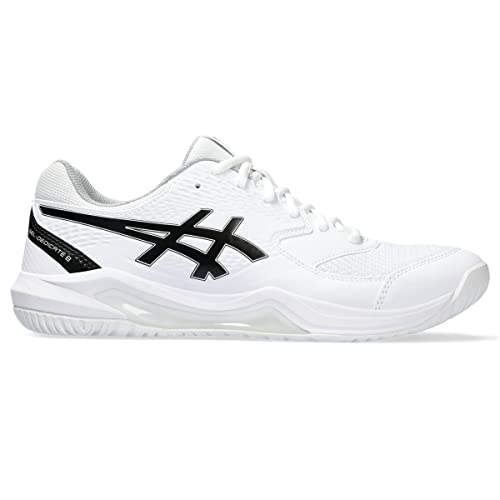
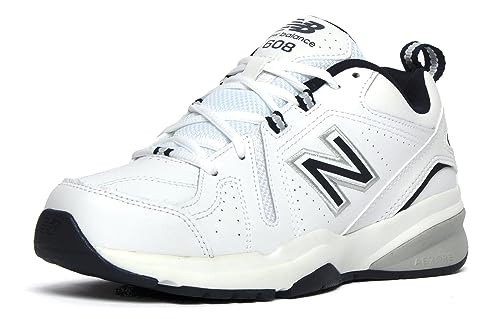
“Walking tennis shoes” here means casual, cushioned sneakers for all-day wear, not on-court performance shoes. For men who want that comfort, the New Balance Men’s 608 V5 ($79.95) is a reliable everyday pick, the Skechers Men’s Go Walk Arch Fit 2.0 Grand Select 2 ($75.00) adds podiatrist-certified arch support for long stretches on your feet, and the ASICS Men’s Gel-Contend 10 ($69.95) is a lightweight, softly cushioned budget option that also works well for casual all-day wear even though it’s built as a running shoe.
This guide is deliberately separate from our on-court tennis shoe guide for men. A court shoe needs a stiff lateral support platform built to survive hard direction changes during play. A walking-focused shoe needs soft, consistent cushioning for forward motion over long stretches, which is a different midsole design goal entirely. Wearing an on-court shoe all day trades away comfort you’d get from a shoe actually built for walking.
- →Walking-focused shoes prioritize soft, forward-motion cushioning over lateral court stiffness
- →New Balance Men’s 608 V5 is a reliable everyday comfort pick at $79.95
- →Skechers Go Walk Arch Fit 2.0 adds podiatrist-certified arch support for long standing or walking days
- →ASICS Gel-Contend 10 is a lightweight, budget-friendly option that also suits casual all-day wear
- →This is a different use case than on-court tennis shoes, which need lateral stiffness these picks don’t have
Table of Contents
What actually matters in a walking shoe versus a court shoe
A walking shoe’s midsole is tuned for repeated heel-to-toe impact over long, mostly straight-line distances, which means softer foam and a smoother heel rollover rather than the reinforced midfoot a court shoe needs for lateral loading. None of that makes a walking shoe worse; it’s built for a different job, one that happens to make these three picks a poor choice for actual tennis play.
Arch support and cushioning depth matter more here than outsole grip pattern. If you’re on your feet for hours, whether from work, errands, or general daily walking, the shoe’s ability to absorb repetitive impact without your arch fatiguing is the entire point of this category.
Our verified picks
Everyday pick: New Balance Men’s 608 V5
The New Balance Men’s 608 V5 Casual Comfort Cross Trainer was $79.95 and in stock when checked against the Amazon Creators API. It uses an ABZORB heel crash pad, a molded PU insert, and a relaxed-fit last built for all-day wear rather than athletic performance. It’s a solid default pick if you want a comfortable everyday shoe without shopping through a dozen specialized options.
Best for arch support: Skechers Men’s Go Walk Arch Fit 2.0
The Skechers Men’s Go Walk Arch Fit 2.0 Grand Select 2 came in at $75.00, in stock, and includes Skechers’s podiatrist-certified Arch Fit insole, built specifically for people who spend long stretches standing or walking. If you’ve dealt with arch fatigue from a full day in less-supportive shoes, this is the pick worth the extra structure over the plainer 608 V5.
Best budget option: ASICS Men’s Gel-Contend 10
The ASICS Men’s Gel-Contend 10 Running Shoes was $69.95 with only two units left at the listing we checked. It’s built and marketed as a running shoe, not a walking shoe specifically, worth noting honestly here rather than overselling it. That said, its soft AMPLIFOAM midsole and lightweight upper work fine for casual all-day wear if you want the most affordable option on this list and don’t need dedicated arch support.
Why these aren’t the same shoes as our on-court guide
A lot of older buying guides recycle the same handful of generic sneakers across a court-performance post and a walking-comfort post, changing only the title. That misses the actual difference. None of the three picks here have the lateral stiffness a real tennis rally needs; they’re built to absorb straight-line impact over hours, not survive hard cuts. Wearing them for actual match play won’t protect your ankle the way a dedicated court shoe will.
- ✓Choose a walking shoe based on arch support and cushioning depth, not outsole grip pattern
- ✓Size based on how your foot feels after a few hours of wear, not just first thing on
- ✓Replace the insole or the whole shoe once cushioning noticeably flattens
- ✓Confirm current price and stock before ordering, since listings shift often
- ✕Wear these shoes for actual on-court tennis and expect ankle support
- ✕Assume a court shoe will feel as comfortable for eight hours of walking as these will
- ✕Ignore consistent arch pain in the same shoe as just “breaking it in”
- ✕Buy the cheapest option by default if arch support is a specific concern for you
⚠️ Watch out: If you have diagnosed plantar fasciitis, bunions, or another specific foot condition, a general comfort shoe like these three may help somewhat but isn’t purpose-built the way a condition-specific shoe is. Check the more targeted guides on this site for those cases.
Materials and construction: what you’re actually paying for
At $79.95, the New Balance 608 V5 uses a leather and mesh upper with an ABZORB foam heel pad, a straightforward approach that keeps cost reasonable while still handling daily impact well. The Skechers Arch Fit 2.0, at $75.00, uses a knit mesh upper and a removable, podiatrist-certified Arch Fit insole, which is the actual functional reason for choosing it over a generic comfort shoe, not just the brand name. The ASICS Gel-Contend 10, at $69.95, is built as a running shoe with a lighter engineered mesh upper and AMPLIFOAM midsole, cushioned enough for casual walking but genuinely optimized for forward running gait rather than all-day standing.
None of these three uses a stiff lateral chassis or reinforced sidewall the way a court shoe does, because none of them need to for their intended use. That’s a deliberate design choice that keeps them lighter and more flexible for walking, not a corner cut.
Break-in period and what to expect
All three picks here are designed to feel comfortable close to out of the box, unlike a stiff court shoe that often needs real break-in time. Still, give any new pair a few short wears before committing to a full day in them. A shoe that feels fine for an hour in a store can reveal a seam or pressure point after several hours of actual walking.
💡 Pro tip: Rotate between two pairs if you’re on your feet most days. Letting the foam midsole fully decompress between wears noticeably extends its useful cushioning life compared to wearing the same pair every day.
Sock choice also matters more than people expect with a comfort-focused walking shoe. A thin sock can let a foot shift slightly inside a roomier upper like the New Balance 608 V5, creating friction points over a long day that a quick five-minute try-on won’t reveal. A moderately cushioned athletic sock closes that gap and tends to be the difference between a shoe that feels fine in the store and one that still feels fine eight hours later.
How long these shoes actually last
For daily wear, expect the New Balance 608 V5’s foam midsole to hold up for roughly four to six months of regular use before cushioning noticeably compresses. The Skechers Arch Fit insole tends to hold useful support longer, often six months to a year, though the outsole may wear faster with daily outdoor walking. The ASICS Gel-Contend 10, built as a running shoe, has a softer midsole that compresses somewhat faster under all-day standing use than under its intended running use, typically closer to three to five months of daily walking wear.
📊 Note: We checked exactly three shoes for this guide and verified real prices against the Amazon Creators API rather than padding the list with unverified alternatives. If your size is sold out on one of these, that’s worth knowing honestly rather than us pointing you to a fourth option we haven’t priced.
Who should skip all three of these
If you’re shopping for shoes to actually play tennis in, none of the three picks in this guide are the right choice, no matter how comfortable they feel walking around a store. If you have a diagnosed condition needing specific correction, like plantar fasciitis or a flat-foot issue, a general comfort shoe like these may help somewhat but isn’t purpose-built the way a condition-specific shoe is. Check the more targeted guides on this site for those cases instead of defaulting to a general comfort pick.
It’s also worth being direct about width. All three of these run in standard widths by default, though New Balance and Skechers both offer wide options for some colorways of these exact models. If you know you need a wide toe box, check the specific listing’s width options before ordering rather than assuming the standard version will stretch to fit over time. It usually won’t, and forcing a narrow shoe to fit a wide foot just creates pressure points that show up after a few hours, not immediately.
Bottom line
For most men wanting a comfortable everyday walking shoe, the New Balance 608 V5 is a solid, reliable pick. Choose the Skechers Go Walk Arch Fit 2.0 if arch fatigue or long standing hours are a specific concern, and consider the ASICS Gel-Contend 10 if budget is the priority, keeping in mind it’s built as a running shoe rather than a dedicated walking model. None of these three replace a real on-court tennis shoe if you actually play.
What’s the difference between a walking tennis shoe and a court tennis shoe?
A walking shoe is built for soft, straight-line cushioning over long distances. A court shoe adds a stiff lateral support platform to survive hard side-to-side movement during play. Using one for the other’s job leaves you under-supported either way.
Is the ASICS Gel-Contend 10 really a walking shoe?
Not originally. It’s built and marketed as a running shoe, which we’re noting honestly rather than relabeling it. Its soft midsole and light upper still work fine for casual all-day walking, but if arch support is your priority, the Skechers Arch Fit is the better-suited pick.
Is the Skechers Go Walk Arch Fit worth the extra structure over the New Balance 608 V5?
If you deal with arch fatigue or spend long stretches standing or walking, yes, the Arch Fit insole system is podiatrist-certified for that use case. For a general comfortable everyday shoe without a specific foot concern, the 608 V5 covers that need at a similar price.
Can I wear these for actually playing tennis?
Not for real match play. None of the three picks here have the lateral support platform a court shoe needs to protect your ankle during hard direction changes. See our dedicated on-court tennis shoe guide for men instead.
How long should a walking shoe like this last?
Expect roughly three to six months of regular daily wear before cushioning meaningfully compresses, depending on the specific shoe and how much daily walking or standing it sees.
As an Amazon Associate, we earn from qualifying purchases through links on this page.