Best Tennis Shoes for Wide Feet: Real 2E, 4E, and Wide SKUs


The best tennis shoes for wide feet are shoes with a real, stated width designation, Wide, X-Wide, or XX-Wide, printed in the actual listing, not a standard shoe a review happens to call roomy. We checked four shoes here against that standard and verified current price and stock status for each through Amazon’s product data rather than assuming either.

The best tennis shoes for wide feet are real wide-width SKUs, meaning the listing itself specifies a width designation like Wide, X-Wide, or XX-Wide, not a standard-width shoe that a review claims runs generously. Every shoe below has that width designation printed directly in its Amazon listing title, which we verified rather than assumed, along with current price and stock status.
Width and length are two different measurements, and a shoe that’s simply long enough doesn’t automatically have the volume across the ball of the foot that a truly wide foot needs. Manufacturers that take width seriously publish an actual width designation, standard, Wide, X-Wide, or XX-Wide, as a selectable size option, the same way length gets a size number. New Balance is one of the few athletic brands that still does this consistently across a wide range of models, which is why three of the four picks below come from their catalog.
- →A real wide-width shoe has a stated width designation (Wide, X-Wide, 2E, 4E) as a selectable size option, not just a review calling it roomy
- →New Balance publishes width options across most of its running and walking lines, more consistently than most athletic brands
- →Width and length are separate measurements; a longer size doesn’t fix a width problem
- →One pick below shows limited stock (3 left) at the time we checked; that’s disclosed rather than glossed over
- →A wide-width shoe and a wide-toe-box shoe (built for bunions specifically) aren’t always the same product; check which one you actually need
Table of Contents
New Balance Fresh Foam Arishi V4, 14 X-Wide (men’s)
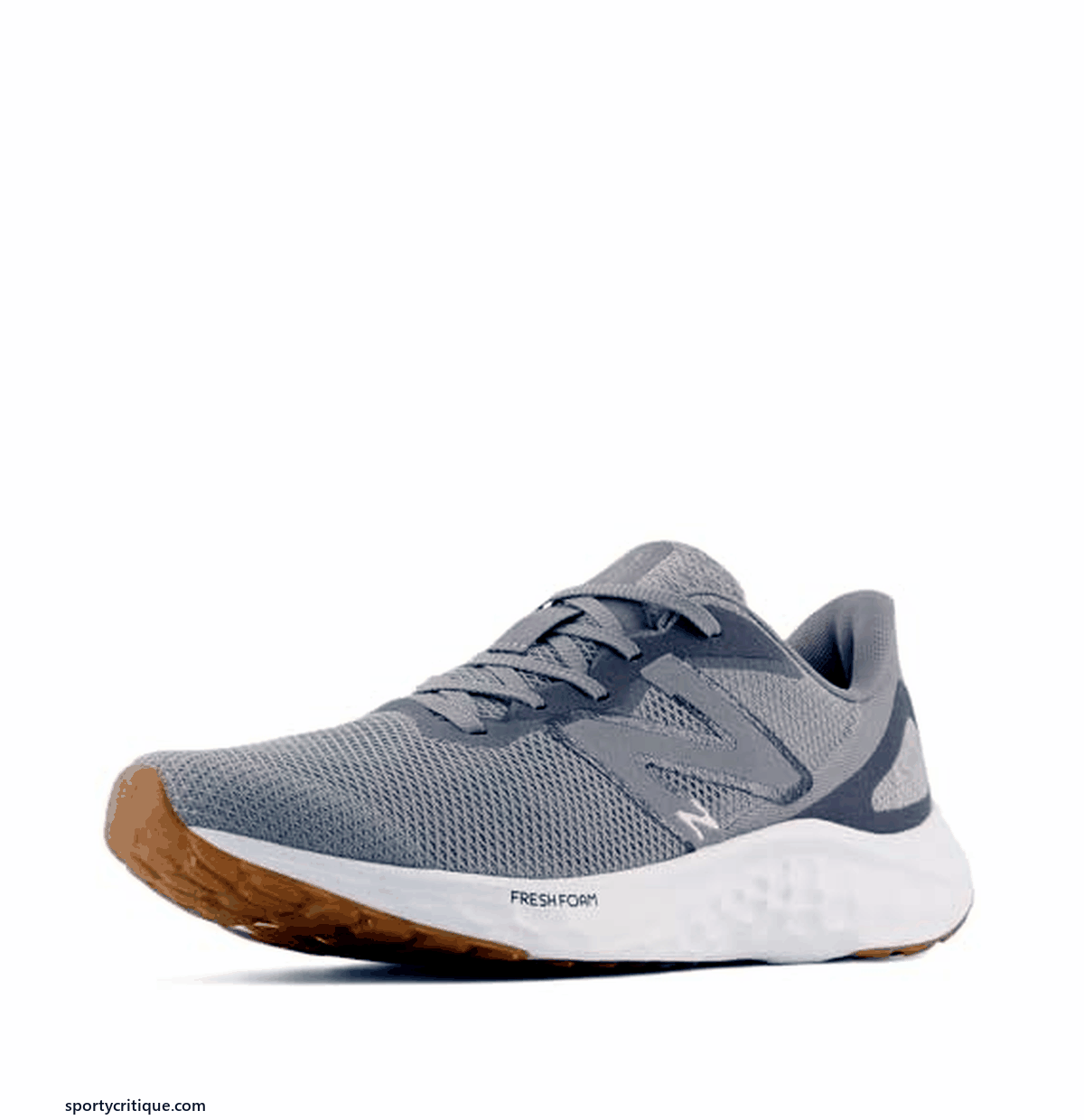
The New Balance Fresh Foam Arishi V4, X-Wide ($57.95, in stock at publish time) is listed with an explicit X-Wide width option, one full step beyond standard Wide sizing, built on New Balance’s Fresh Foam cushioned midsole. For a genuinely wide forefoot, the X-Wide designation matters more than the specific model; New Balance builds a noticeably broader last at this width tier rather than just adding a touch of stretch to a standard shoe.
New Balance Dynasoft Nergize Sport V2, 7.5 Wide (women’s)

The New Balance Dynasoft Nergize Sport V2, Wide ($69.95, only 3 left in stock – order soon.) carries a standard Wide designation on a lighter, more casual sneaker build than the Arishi above, using New Balance’s Dynasoft foam rather than Fresh Foam. It’s a lower-profile shoe better suited to everyday wear and light activity than serious mileage.
⚠️ Watch out: Amazon showed only 3 left in stock for this specific size and color combination when we checked. If it’s sold out by the time you look, New Balance sells the Nergize Sport V2 in Wide across other sizes and colorways; search the model name directly rather than assuming the line is discontinued.
New Balance 928 V3, 10.5 XX-Wide (men’s, hook-and-loop)
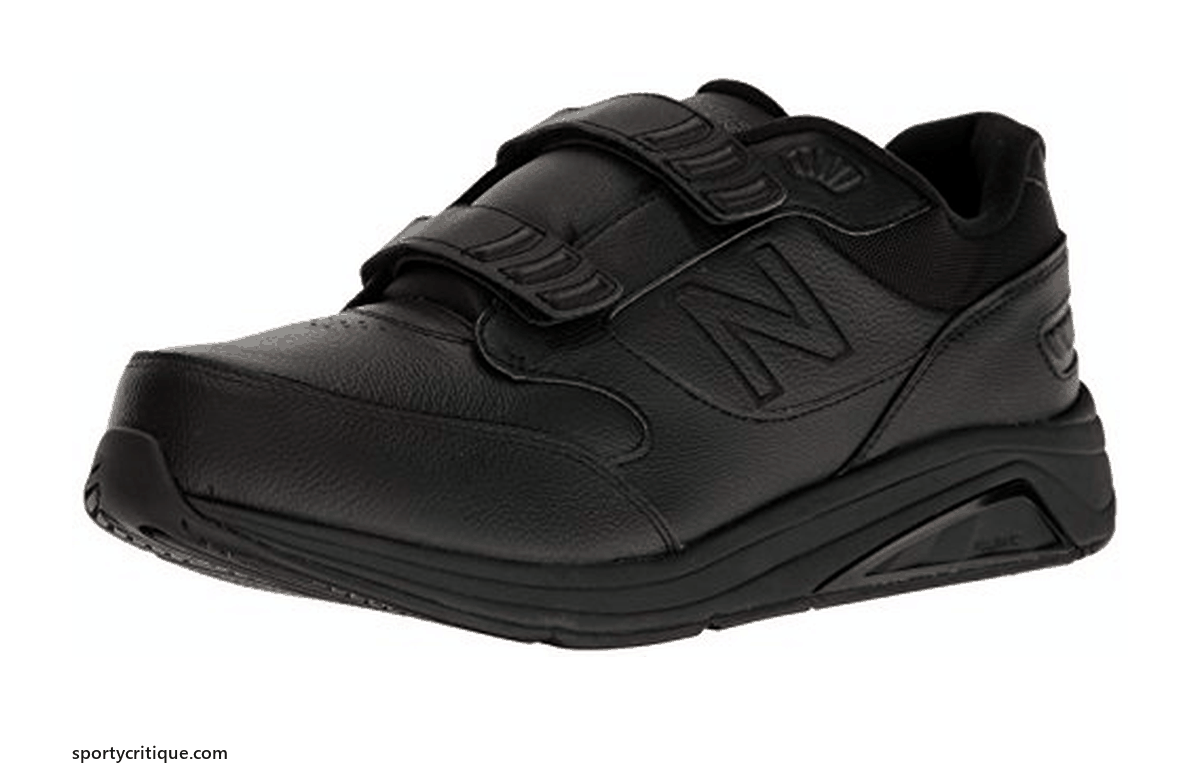
The New Balance 928 V3, XX-Wide ($159.95, in stock at publish time) goes a full tier further than the other two, with an XX-Wide option, the widest standard designation New Balance offers, on a motion-control walking shoe built with a removable insole. If your foot is wide enough that even an X-Wide shoe still feels tight across the ball of the foot, this is the next step up rather than sizing to a longer length hoping it compensates.
The hook-and-loop closure instead of laces is worth noting too: it’s easier to adjust incrementally across a wide forefoot than a standard lace-up, and it’s a common design choice on New Balance’s widest-fit models for exactly that reason.
BRONAX Wide Toe Box Road Running Shoes, 10W (women’s)
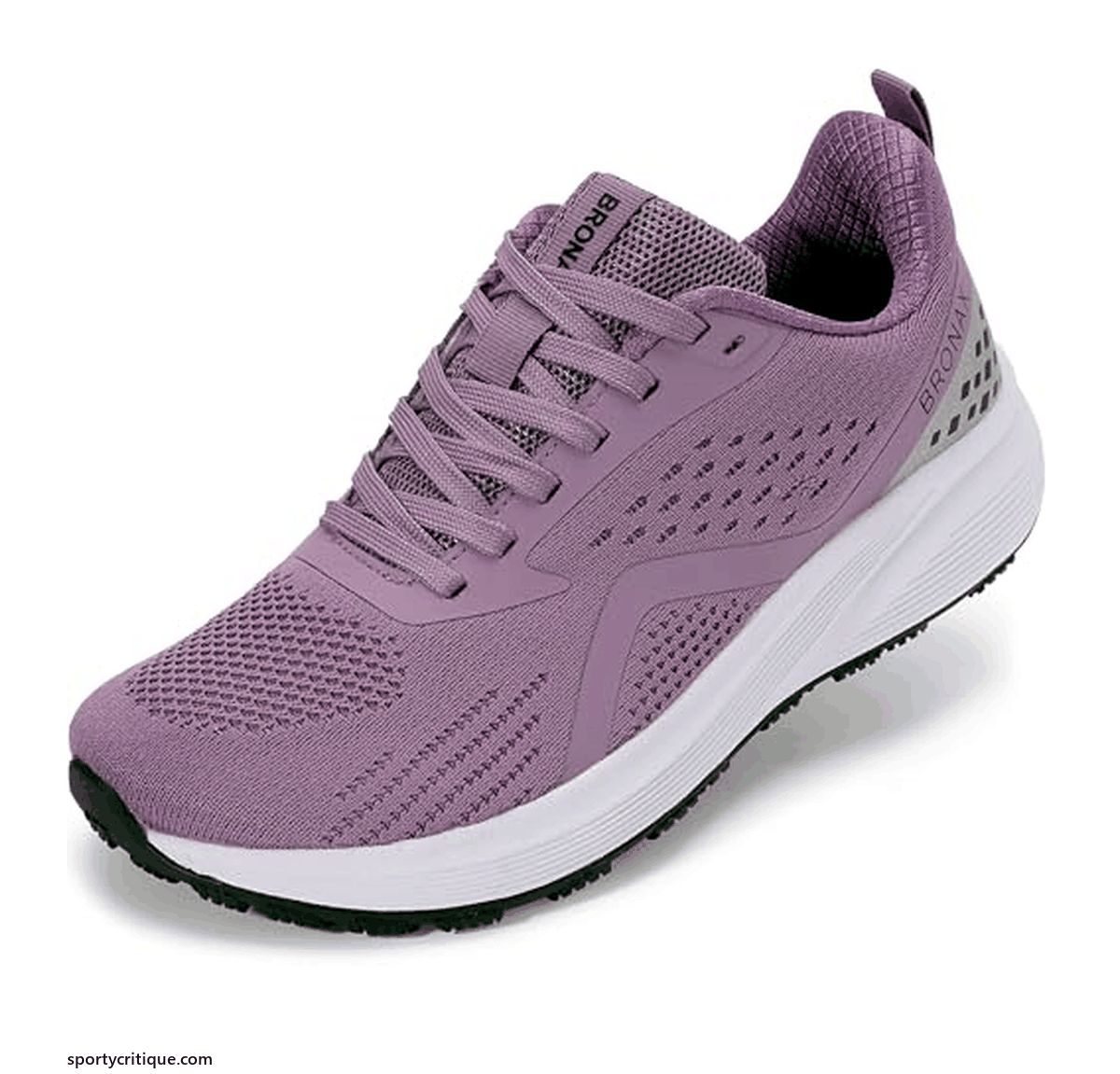
The BRONAX Wide Toe Box Road Running Shoes, 10W ($64.99, in stock at publish time) carries an explicit 10W (wide) size designation on a budget running-shoe build, a more affordable option than the New Balance picks above if you don’t need the more established brand’s cushioning technology specifically. This same shoe, in a different width and colorway, shows up in our bunions guide too; a wide toe box genuinely serves both a general wide foot and a bunion-specific need, which is the one deliberate overlap in this guide.
How to tell a real wide-width SKU from a shoe that ‘runs wide’
- ✓Look for a width selector in the size options, Wide, X-Wide, XX-Wide, or a letter designation like 2E or 4E
- ✓Check that the width option appears in the actual listing title or size chart, not just a buyer review
- ✓Compare the brand’s stated width measurements (if published) against your own foot’s width at its widest point
- ✓Verify current stock for your specific size and width combination, since wide sizes sell out faster than standard ones
- ✕Trust ‘runs wide’ from a single review as equivalent to a manufacturer width designation
- ✕Buy a longer size hoping extra length compensates for a width problem; it usually just adds room at the toe, not across the ball of the foot
- ✕Assume every model from a brand that offers wide sizing does so for that specific shoe; check the individual listing
- ✕Confuse a ‘wide toe box’ shoe (built for bunions) with a true wide-width SKU; they can overlap but aren’t guaranteed to be the same fit
Wide feet vs. bunions: related but not identical
A true wide-width shoe adds volume across the whole forefoot and often the midfoot too, sized as a distinct width tier. A bunion-specific shoe prioritizes room and a seamless material specifically at the base of the big toe, which can matter even in a standard-width shoe if the upper material there is soft enough. The two needs overlap often enough that a true wide-width shoe usually helps a bunion too, but a shoe built specifically for bunions doesn’t guarantee overall wide-width sizing across the rest of the foot.
Measuring your actual foot width before you buy
A Brannock device at a shoe store gives the most reliable width reading, but you can approximate at home: stand on a piece of paper, trace your foot at its widest point (usually across the ball, not the heel), and measure that width in inches. Compare it against the brand’s published width chart if one exists; New Balance and a handful of other brands publish specific width measurements per size, which is worth checking before ordering rather than guessing between Wide and X-Wide.
💡 Pro tip: Measure both feet. It’s common for one foot to be meaningfully wider than the other, and sizing for the wider foot with a lace-up or hook-and-loop closure that can tighten the narrower side is more comfortable than compromising in the middle.
Buying for someone else
Wide-width shoes are a common gift purchase for a parent or partner who’s mentioned foot pain or has always struggled to find shoes that fit, but width is a harder guess than length if you’re not buying with them present. If you can, check an existing pair of their shoes for a width letter stamped inside, or ask directly rather than guessing based on general shoe size. A wide-width shoe in the wrong width tier is a much less forgiving gift than a slightly wrong length, since a whole size range in width usually can’t be adjusted with a thicker sock the way a slightly long shoe sometimes can.
Durability differences at each price point
The New Balance picks here run noticeably higher in price than the BRONAX option, and the difference isn’t only the width designation, it’s also midsole longevity. Fresh Foam and Dynasoft foams are engineered to resist compression over hundreds of miles better than a typical budget EVA midsole, which matters more for anyone wearing these as a primary athletic or all-day shoe rather than occasional wear. If you’re only wearing wide-width shoes occasionally, the BRONAX price point is a reasonable place to start before spending more on longer-lasting cushioning.
Who each pick actually fits
Reading a New Balance width chart correctly
New Balance publishes width measurements per size on most of its running and walking lines, and it’s worth pulling up the actual chart for the specific model rather than assuming Wide means the same width across every shoe. A men’s size 10 Wide in one model can measure differently than a men’s size 10 Wide in another, since width charts are tied to the specific last used for that shoe, not a single company-wide standard. If you’ve worn a particular New Balance width comfortably before, that’s a decent starting reference, but check the chart again for a different model line before assuming the same width number will fit identically.
Break-in and when a wide shoe still isn’t wide enough
Even a correctly wide shoe can feel snug for the first several wears if you’re coming from a standard-width shoe you’d been squeezing into. Give it a week or two of regular wear before deciding the width is wrong. That said, if you’re consistently going up a width tier, standard to Wide to X-Wide, and still feeling pressure across the ball of the foot at the widest tier a brand offers, that’s a sign to look at a different brand’s last shape entirely rather than assuming the next size up in length will help. Some brands’ “wide” simply runs narrower in absolute terms than others, even at the same stated designation.
📊 Note: If you’ve tried a brand’s XX-Wide option and it’s still tight, wide-toe-box designs built around a splayed, minimalist last, like the picks in our bunions guide, sometimes fit an unusually wide forefoot better than a traditionally-lasted shoe at any width tier that brand offers.
What’s the actual difference between Wide, X-Wide, and XX-Wide?
Each step adds more volume across the ball of the foot, roughly corresponding to the 2E, 4E, and 6E designations used on some other brands’ size charts. Wide is a moderate step up from standard; XX-Wide is the widest tier most athletic brands offer.
Does a wide shoe also need to be longer?
Not necessarily. Width and length are sized independently; you should still order your normal length size and simply select the wider width option, rather than sizing up in length to compensate for a width issue.
Is a wide-width shoe automatically good for bunions too?
Often, but not guaranteed. A true wide-width shoe adds overall forefoot volume, which usually helps a bunion, but a shoe built specifically for bunions may add extra seamless material right at the joint that a generic wide-width shoe doesn’t specifically target.
Why does one listing show limited stock?
We disclose real-time stock status rather than omit it. A ‘few left in stock’ note reflects what Amazon’s product data showed when we checked; if it’s sold out by the time you look, search the model name directly for other sizes and colorways.
As an Amazon Associate, we earn from qualifying purchases through links on this page.