Best Sunglasses for Beach Volleyball: UV, Polarization & Grip Compared

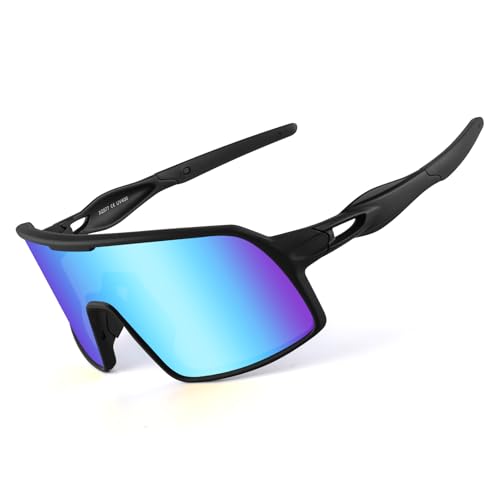
The best sunglasses for beach volleyball combine a real stated UV rating, polarized lenses to cut sand and water glare, and a fit that survives diving and sweat. Here’s how the actual specs compare, and which real products hold up during play.

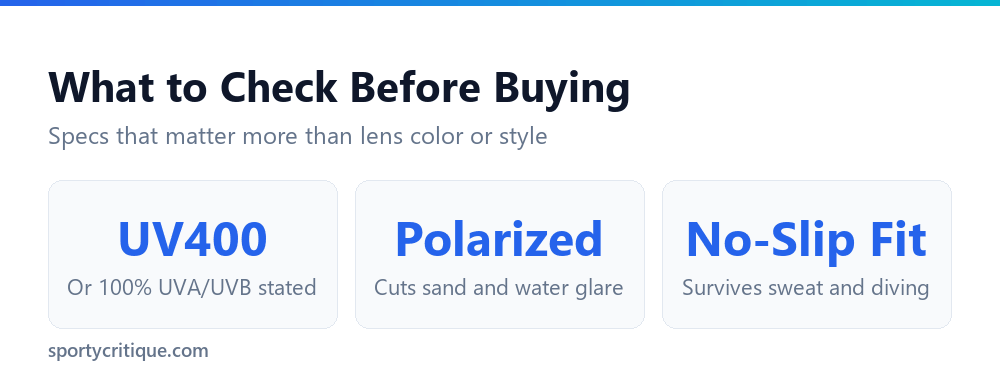
Good sunglasses for beach volleyball need three things: UV protection the brand actually states (look for “UV400” or “100% UVA/UVB,” not just a vague marketing claim), polarized lenses to cut the intense glare bouncing off sand and water, and a fit secure enough to survive diving and sweating without sliding off. A wraparound sport frame from a brand like ROCKNIGHT or goodr covers the basics at a reasonable price; a snug, no-slip design matters more for actual play than lens color or style.
Beach volleyball puts more strain on sunglasses than almost any other sport played in them. You’re diving, sweating heavily, and playing on a surface, sand, that reflects an unusual amount of glare compared to grass or a hard court. Regular sunglasses, even good everyday ones, often aren’t built for that combination. This guide focuses on what actually matters for beach play specifically: verified UV and polarization specs, and a fit that survives diving rather than just looking good standing still.
- →Look for a stated UV400 or 100% UVA/UVB rating rather than trusting an unspecified ‘UV protection’ claim
- →Polarized lenses meaningfully cut glare off sand and water, which plain tinted lenses don’t do
- →A secure, wraparound sport fit matters more for diving than lens color or frame style
- →A retention strap is worth adding separately if the glasses don’t include one, since diving in sand is when glasses come off
- →Budget sport frames and recognizable brands like goodr both meet the basic specs; price mostly buys frame durability and style
Table of Contents
UV protection: read the actual spec, not the marketing
“UV protection” printed on a product page without a number means very little on its own. The specific claims worth looking for are “UV400” or “100% UVA/UVB protection,” both of which describe blocking light across the full ultraviolet range that reaches the eye. We did not independently lab-test the lenses in this guide; the UV and polarization claims below reflect what each brand states on its own listing, which is standard practice for a buying guide at this level but worth knowing before you buy.
📊 Note: None of the products in this guide were tested with a UV meter. The specs quoted are the manufacturer’s own stated claims from the product listing, not independently verified lab results. If UV protection is a serious concern, for example for a player with a personal or family history of eye conditions, check for third-party lens certification rather than relying on any single retailer’s listing claim.
Polarization: why it matters more at the beach specifically
Polarized lenses filter out horizontally reflected light, the specific kind that bounces off flat, reflective surfaces like water, wet sand, and even light-colored dry sand under strong sun. That’s a meaningfully bigger glare problem at the beach than on a grass or indoor court, which is why polarization matters more here than it might for a general everyday pair of sunglasses. Non-polarized sunglasses can still tint down overall brightness, but they don’t cut this specific reflected glare the way polarized lenses do.
Fit and retention: the part that actually fails during play
Standard sunglasses, even good ones, aren’t built to survive a dive into sand. A wraparound sport frame with rubberized nose and temple grips stays put through sweat far better than a standard flat frame, and it’s worth checking specifically for those grip features rather than assuming any “sport” label covers it. Weight matters too: a lightweight frame is less likely to bounce off during a hard landing than a heavier, thicker-framed pair.
⚠️ Watch out: Even a well-fitted pair can come off during a hard dive, and losing sunglasses in beach sand usually means losing them for good. If you dive often, a simple retention strap, often sold separately for a few dollars, is cheap insurance against that specific and very common failure point.
Our picks for beach volleyball sunglasses
The ROCKNIGHT Polarized Sports Sunglasses (about $16 at our last check; our data feed did not return a current stock status, so confirm availability on the listing) is a budget wraparound sport frame with a stated UV protection rating and polarized lenses, built with a lightweight TR90 frame material that flexes rather than snapping under pressure, a reasonable trait for a frame that might get sat or stepped on courtside.
The goodr OG Polarized Sunglasses (our product data feed did not return a current price or stock status for this listing at last check; confirm both on the Amazon page before buying) is from a brand built specifically around no-slip, no-bounce sport sunglasses, with a stated UV400 rating and polarized lenses as standard across the line. Its non-adjustable, one-piece frame design is intentional: fewer moving parts means fewer places for the frame to loosen during sweaty, high-movement play.
The goodr OG Flamingos Polarized Sunglasses (about $23 at our last check; our data feed did not return a clear stock status, so confirm availability on the listing) is the same core goodr design in a different colorway, useful to mention separately since goodr’s frames sell out and get restocked color by color rather than as one single listing, so checking a couple of colorways before assuming the model is unavailable is worth the extra minute.
The ER00 EAZYRUN Polarized Shield Sunglasses (our product data feed did not return a current price or stock status for this listing at last check; confirm both on the Amazon page before buying) is a shield-style wraparound with a larger single-lens design that covers more of the face and peripheral vision than the smaller frames above, worth considering if you want maximum coverage against low afternoon sun angles specifically.
Lens color and light conditions
Lens tint affects contrast and brightness more than it affects actual protection, since UV blocking and polarization are separate coatings from color. Gray lenses keep colors looking closest to natural and suit bright, sunny beach conditions well. Amber or brown lenses boost contrast against sand and sky, which some players prefer for tracking the ball against a bright background. Neither is objectively better; it comes down to personal preference once UV and polarization are already covered.
- ✓Check for a stated UV400 or 100% UVA/UVB claim, not just an unspecified ‘UV protection’ label
- ✓Choose polarized lenses specifically for beach play, where reflected glare is a bigger factor
- ✓Add a retention strap if you dive often and the glasses don’t include one
- ✓Pick a wraparound sport frame with rubberized grip points over a standard flat frame
- ✕Assume any sunglasses labeled ‘sport’ automatically have a secure, no-slip fit
- ✕Buy based on lens color alone without checking the UV and polarization specs first
- ✕Trust a listing’s UV claim as independently lab-verified; it’s the manufacturer’s own stated spec
- ✕Skip a strap if you’re diving regularly just because the frame feels snug standing still
💡 Pro tip: Try the glasses on and shake your head firmly side to side and up and down before trusting them for a dive. If they shift noticeably during that simple test, they’ll shift more during an actual dive into sand.
Caring for sunglasses in sand and saltwater
Sand is mildly abrasive, and wiping dry sand off a lens with a shirt or towel is one of the fastest ways to introduce fine scratches into an otherwise good pair of glasses. Rinse sand off with clean water first, then dry with a proper microfiber cloth rather than wiping dry sand directly across the lens surface.
Saltwater residue left to dry on a lens or frame can also degrade coatings over time, particularly any anti-reflective or hydrophobic coating on the lens surface. A quick freshwater rinse after a beach session, even just from a water bottle, meaningfully extends how long those coatings stay effective compared to letting salt residue dry and build up session after session.
Frame material and durability in a beach setting
Most sport sunglasses in this price range use a flexible plastic frame material, commonly labeled TR90 or similar, rather than metal or rigid acetate. That flexibility is a real advantage at the beach specifically, since a frame that bends slightly under pressure, getting sat on, stepped on, or knocked during a scramble for the ball, is far less likely to snap outright than a stiffer frame material would be. It’s worth checking the stated frame material on a listing rather than assuming every plastic frame behaves the same way under stress.
Hinge quality is a smaller but real factor in how long a pair lasts under repeated wear. Spring-loaded hinges flex slightly when you put the glasses on and take them off, reducing stress at that specific joint compared to a rigid hinge, and they tend to hold up better over months of daily on-off use during a regular beach season.
Prescription and fit-over options
Players who need corrective lenses have a few real paths here rather than choosing between vision and sun protection. Some sport sunglasses brands offer prescription lens inserts specifically designed for their frames, which keeps the same secure sport fit while adding your actual prescription. A simpler and usually cheaper option is a fit-over style sunglasses designed to go on top of prescription glasses, though those tend to be bulkier and less secure during a hard dive than a true prescription sport frame.
Contact lens wearers avoid this tradeoff entirely and can use any of the sport frames covered above without modification, which is one practical reason some players who normally wear glasses switch to contacts specifically for beach volleyball days.
Bottom line
For beach volleyball specifically, prioritize a stated UV400 or equivalent rating, polarized lenses to cut sand and water glare, and a secure wraparound fit over lens color or brand recognition alone. A budget sport frame and a recognizable brand like goodr both cover those basics; the real difference between them is mostly frame durability and style rather than core protection.
Do I need polarized sunglasses for beach volleyball specifically?
It helps more at the beach than in most other settings, since sand and water reflect an unusual amount of glare. Polarized lenses filter that specific reflected glare in a way plain tinted lenses don’t, which can make a real difference tracking the ball against a bright background.
What UV rating should beach volleyball sunglasses have?
Look for a stated UV400 rating or a claim of 100% UVA/UVB protection. Both describe blocking the full ultraviolet range. A vague ‘UV protection’ claim without a number is less specific and worth checking further before trusting it.
How do I keep sunglasses from falling off during a dive?
Choose a wraparound sport frame with rubberized grip points at the nose and temples, and add a retention strap if you dive often. Testing fit with a firm head shake before relying on them in a match is a simple way to check security in advance.
Does lens color affect UV protection?
No. Lens darkness and tint affect visible brightness and contrast, while UV blocking comes from a separate coating or lens material. A dark lens without real UV protection can actually be worse than no sunglasses, since it dilates your pupils without blocking UV light.
As an Amazon Associate, we earn from qualifying purchases through links on this page.