Best Socks for Running: Verified Cushion and Blister Picks

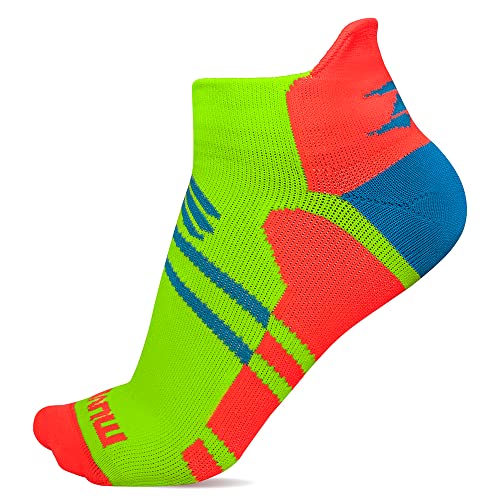
The best socks for running depend on where your feet actually give you trouble, cushion, heel slip, or blisters between the toes. Below are four real, Amazon-verified picks covering each of those problems, with honest price and stock notes for each.

The best socks for running come down to two decisions: how much cushion you want underfoot, and whether skin-on-skin toe friction is actually what’s causing your blisters. A plush no-show sock like Balega Hidden Comfort suits most runners; a five-toe design like Injinji is worth trying specifically if blisters form between your toes rather than at the heel.
Most searches for the best socks for running are really searches for a fix to one specific problem: blisters, a heel that slips inside the shoe, or a seam that rubs raw over a long distance. Cushion level and construction style solve different versions of that problem, which is why this guide is organized around those two factors instead of a single ranked list.
Every sock below was checked against Amazon’s own catalog data at the time of writing through its Creators API, confirming the exact ASIN, the listing title Amazon returns for it, and whatever price and stock status came back. Material and construction claims come directly from each product’s own listing rather than from testing conducted for this article.
- →A seamless, hand-linked toe (Balega) targets abrasion across the top of the foot, not between the toes specifically
- →A five-toe design (Injinji) targets blisters that form specifically between the toes from skin-on-skin friction
- →Cushion level is a spectrum, not just ‘cushioned’ vs ‘not,’ Feetures’ Light Cushion sits deliberately thinner than a max-cushion sock
- →Merino wool socks like Darn Tough add temperature regulation and odor resistance on top of cushioning, a different tradeoff than synthetic-only socks
Table of Contents
Where your blisters actually form changes which sock helps
A blister at the heel or across the top of the foot usually comes from a shoe-to-sock friction point, the kind a deep heel pocket and a smooth, seamless toe closure are built to address. A blister that forms specifically between two toes is a different mechanism entirely, skin rubbing directly against skin as the foot flexes, and no amount of heel cushioning fixes that. Five-toe socks exist specifically for that second problem, separating each toe the way a glove separates fingers.
Best all-around pick: Balega Hidden Comfort Socks, White, Size Large
The Balega Hidden Comfort Socks, White, Size Large uses a hand-linked seamless toe closure specifically to eliminate abrasion across the top of the foot, paired with a deep-knit heel pocket meant to keep the sock from sliding down mid-run. Balega markets a proprietary moisture-management fiber blend across its running sock line for cooling and dryness, a claim from the brand’s own product description rather than independently tested for this article.
Amazon’s own catalog listed this exact ASIN at $14.99 and in stock at the time of writing, making it a straightforward, affordable starting point for most runners before trying a more specialized construction like the toe-sock pick below.
Best light-cushion pick: Feetures Elite Light Cushion No Show Tab Sock, Black, Large, 6 Pack
The Feetures Elite Light Cushion No Show Tab Sock, Black, Large, 6 Pack sits deliberately on the thinner end of the cushion spectrum, less bulk inside the shoe than a max-cushion sock, while still adding targeted arch compression and a no-show tab designed to stay put at the back of the ankle rather than sliding under the heel. This is the pick for runners who find thicker cushioned socks feel too snug inside a race-fit shoe.
📊 Note: Amazon’s Creators API returned a confirmed price of $109.00 for this 6-pack ASIN but did not return a clear in-stock message, only a generic availability type with no accompanying text. That’s disclosed here rather than assumed either way; check the current listing directly to confirm stock, and note that $109.00 for six pairs works out to roughly $18.17 per pair, confirmed directly from the same listing data.

Best for between-toe blisters: Injinji 2.0 Men’s Run Midweight Mini Crew Toesocks, Black/Gray
The Injinji 2.0 Men’s Run Midweight Mini Crew Toesocks, Black/Gray wraps each toe individually in its own sleeve, the specific design meant to eliminate skin-on-skin friction between toes rather than address heel or top-of-foot rubbing. Injinji’s midweight Run line, this specific product, sits between the brand’s ultra-thin liner socks and its thicker hiking-oriented socks in cushion level, built for regular training mileage rather than minimalist racing.
⚠️ Watch out: This specific ASIN showed as currently unavailable through Amazon’s Creators API at the time of writing. Injinji sells this style across multiple sizes and colorways, so check the brand’s storefront on Amazon directly for an in-stock size before assuming the product line itself is gone.
Best merino wool pick: Darn Tough Ultra Light Cushion Running Sock, Black
The Darn Tough Ultra Light Cushion Running Sock, Black is a merino wool blend sock, a different material tradeoff than the synthetic-only options above. Merino wool regulates temperature in both warm and cool conditions better than most synthetics and resists odor buildup over multi-day wear without washing, which matters more for multi-day races or hiking-adjacent training than for a standard daily training run. Darn Tough backs its running socks with an unconditional lifetime guarantee against wear, a real stated policy from the brand rather than a general industry standard.
📊 Note: Neither a live price nor a stock status came back for this ASIN through Amazon’s Creators API at the time of writing. The listing itself is real and the title matches what Amazon’s catalog returns for this exact product, so check the current price and availability directly on the product page before ordering.
How to pick between these four
- ✓Start with a seamless-toe, cushioned sock like Balega if you don’t already know where your blisters form
- ✓Switch to a five-toe design like Injinji specifically if blisters form between your toes
- ✓Choose a lighter cushion sock like Feetures if your shoe already fits snugly and a thick sock crowds the toe box
- ✓Consider merino wool if you’re training or racing multiple days without laundry access
- ✕Assume more cushion always prevents more blisters; the wrong construction for your specific blister location won’t help regardless of thickness
- ✕Buy a 6-pack of an unfamiliar sock before confirming fit and feel in one pair first
- ✕Ignore where on your foot blisters actually form; that location, not general sock quality, should drive the choice
- ✕Skip checking current price and stock on Amazon; two of these four didn’t return complete data through the API
Sizing notes specific to running socks
Running socks generally size by shoe size range rather than standard small, medium, large clothing sizing, and running a size too large is one of the most common causes of extra fabric bunching that then causes blisters on its own. If you’re between sizes on a brand you haven’t worn before, sizing down within that brand’s stated range is usually the safer call for a snugger, less bunch-prone fit, the opposite of the usual advice for regular clothing.
💡 Pro tip: If you’re not sure whether your blisters are a toe-friction problem or a heel or shoe-fit problem, try a single pair of a five-toe sock like Injinji on one run before committing to a full pack. If the blister pattern doesn’t change, the problem is more likely shoe fit or lacing than sock construction, and the fix is elsewhere.
Myth: thicker socks always mean fewer blisters
Washing and care
Skip fabric softener on any of these four; it coats the moisture-wicking fibers in the synthetic options and reduces how well merino wool breathes in the Darn Tough pick. Machine wash in cold or warm water and air dry or tumble dry on low. High heat degrades the elastic that holds a running sock snug against the arch and ankle faster than normal wear does, which is often why a sock that fit perfectly for months suddenly starts sliding down mid-run.
Merino wool socks specifically benefit from washing less often than synthetic socks, since wool naturally resists odor buildup between wears in a way synthetic fibers don’t. Washing a merino sock after every single run isn’t necessary the way it is for a fully synthetic pair, and over-washing wool can wear down its natural fibers faster than the moderate use it’s designed for.
Crew, quarter, or no-show: does height matter?
Sock height is mostly a comfort and coverage preference rather than a performance factor. A no-show or low-cut sock, like the Feetures pick above, stays hidden below most running shoe collars, which some runners prefer for a cleaner look and less fabric around the ankle. A quarter or mini-crew height, like the Injinji pick above, adds a bit more coverage at the ankle bone itself, which can help specifically if a shoe’s heel collar tends to rub directly against bare skin above a no-show sock’s edge. Trail runners in particular often prefer a taller sock for extra protection against debris working its way into the shoe, a concern that matters less on road or track surfaces.
Rotating socks across a training week
Owning more than one construction style from this guide is a reasonable approach rather than a sign of indecision. A plush cushioned sock for easy recovery runs, a lighter sock for speed workouts in a snugger racing shoe, and a five-toe design kept in reserve specifically for days when between-toe friction has been an issue, covers more real training scenarios than forcing one sock to handle every run. Socks are also inexpensive enough relative to shoes that rotating a few pairs to extend the life of each, and to always have a dry pair available on a multi-run day, costs very little for the added flexibility.
Bottom line
For most runners without a specific blister complaint, the Balega Hidden Comfort at a verified $14.99 is the easiest confirmed starting point. If blisters specifically form between your toes, try the Injinji five-toe design once availability returns. If a snugger race-day fit matters more than plush cushion, look at the Feetures Light Cushion pack, and confirm current price and stock directly on Amazon before buying any of these four in bulk.
What socks are best for preventing blisters when running?
It depends on where the blisters form. A seamless-toe, deep-heel-pocket design like Balega Hidden Comfort addresses top-of-foot and heel rubbing. A five-toe design like Injinji addresses blisters that form specifically between the toes from skin-on-skin friction, which a standard sock construction can’t fix regardless of cushioning.
Are thicker running socks always better?
No. Thickness affects underfoot cushioning, not necessarily blister prevention, and a sock that’s too thick for a snug shoe can actually cause more heel slip and rubbing. Match cushion level to your shoe’s fit rather than assuming thicker is universally better.
Is merino wool worth it for running socks?
It depends on your priorities. Merino wool, like the Darn Tough pick above, regulates temperature well and resists odor over multi-day wear, which matters more for multi-day races or training trips without daily laundry access than for a standard single daily run.
Why does one sock in this guide list a price per pair calculated from a 6-pack?
Amazon’s listing for that specific ASIN sells six pairs as one unit at a single price. We calculated the per-pair cost directly from that verified total price so it’s easier to compare against the single-pair prices of the other socks in this guide.
As an Amazon Associate, we earn from qualifying purchases through links on this page.