How to Get Gum Off Tennis Shoes: 5 Methods That Work

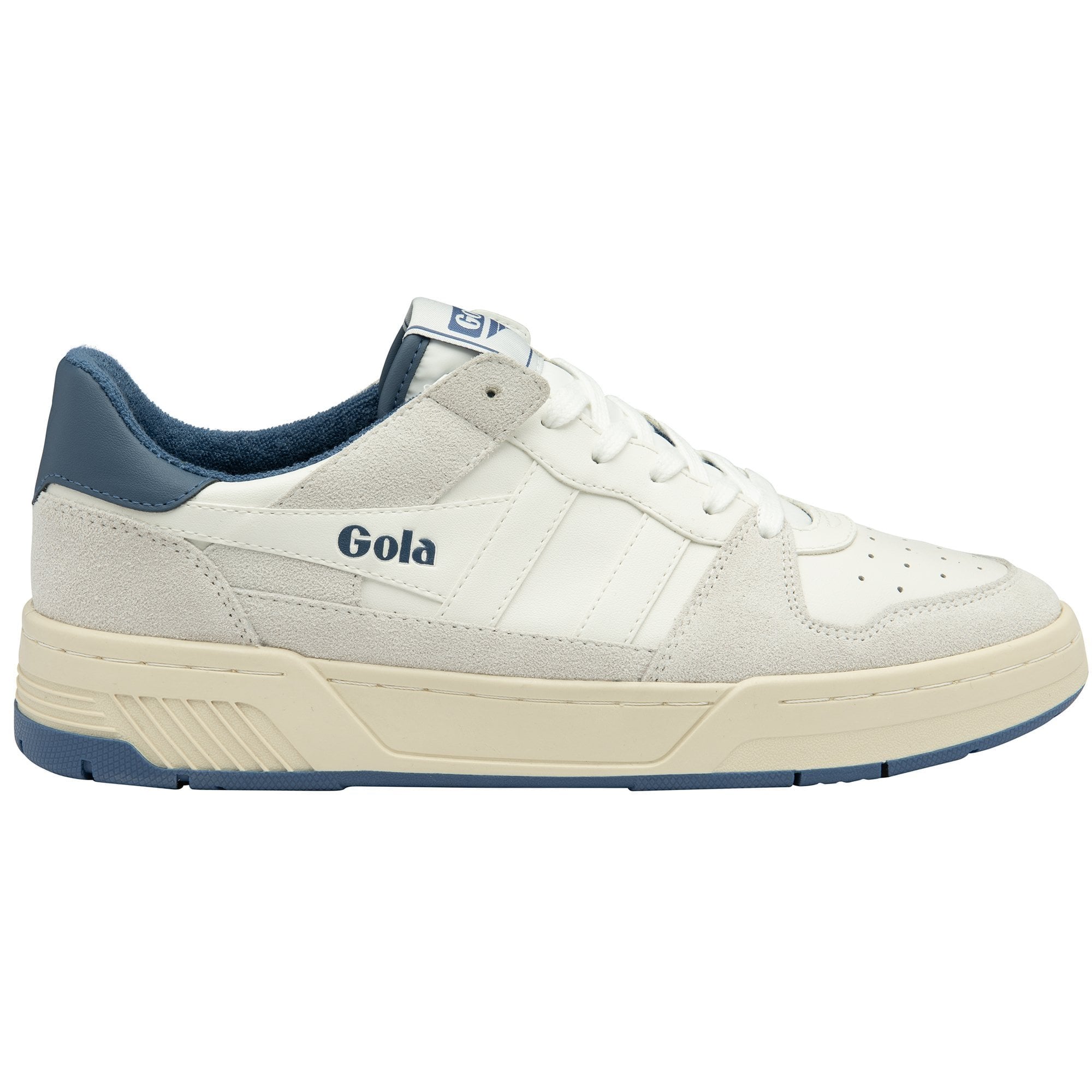
Stepping in gum mid-match or mid-errand is annoying, but getting it off a tennis shoe is usually a five- or ten-minute fix once you know which method fits the situation. Here’s how to get gum off tennis shoes using methods that range from a completely free household trick to a dedicated adhesive remover for gum that’s already dried in.

The fastest reliable way to get gum off tennis shoes is to harden it first, either with ice cubes in a bag held against the gum for a few minutes or by putting the shoe in the freezer, then scraping off the brittle gum with a dull edge like an old credit card. For gum that’s already ground into the tread or has softened into the fabric, dish soap worked in with warm water, WD-40, or a dedicated adhesive remover like Goo Gone will finish dissolving what’s left behind. Which method works best depends mostly on how fresh the gum is and what your shoe’s upper and outsole are made of.
Stepping in gum is one of those small annoyances that feels bigger than it is once it’s smeared across a tennis shoe’s tread or worked into the mesh upper. The good news is that gum responds predictably to a handful of household methods, and none of them require replacing the shoe. This guide walks through five approaches, from gentlest to strongest, so you can start with whatever’s already in your kitchen before reaching for a specialized product.
- →Hardening gum first, with ice or a freezer, makes it brittle enough to scrape off cleanly in most cases, and it’s the safest starting method for any shoe material
- →Dish soap and warm water works well on gum that’s already softened or partially smeared into fabric, since the soap breaks down the sticky residue
- →WD-40 and dedicated adhesive removers like Goo Gone dissolve gum residue effectively but should be tested on a hidden area first, especially on colored or synthetic materials
- →A plastic scraper or old card works better than a metal tool, which can scratch or gouge a shoe’s outsole or upper
- →Acting quickly on fresh gum is always easier than removing gum that’s had time to work deep into a textured tread pattern
Table of Contents
Method 1: Freeze it and scrape it off
This is the method to try first, since it requires no chemicals and is safe on virtually any shoe material. Put the shoe in a plastic bag and place it in the freezer for 30 to 60 minutes, or hold a bag of ice cubes directly against the gum for several minutes if you need a faster result and don’t want to free up freezer space. Cold temperature makes gum brittle rather than sticky, which lets it crack and lift away from the shoe surface instead of smearing further.
Once the gum is hard, use a dull, flat edge, an old credit card, a plastic putty knife, or even a spoon’s edge, to gently pry and scrape it off. Work from the edges of the gum toward the center rather than digging straight into it, which reduces the chance of pushing softened gum further into the tread grooves. For gum caught in deep tread patterns, a stiff-bristled brush or an old toothbrush can help dislodge the brittle pieces after the initial scraping.
⚠️ Watch out: Avoid using a metal knife or sharp blade to scrape gum off, especially on a rubber outsole or a synthetic upper. It’s easy to gouge or scratch the material, and a shoe with visible scrape damage is a worse outcome than gum that takes an extra minute to remove with a safer tool.
Method 2: Dish soap and warm water
If gum has already softened, smeared, or worked partway into fabric or mesh, freezing it again can help, but dish soap is often the more direct fix at that stage. Mix a few drops of dish soap into warm water, work it into the gum residue with an old toothbrush using small circular motions, and let it sit for a few minutes so the soap has time to break down the gum’s stickiness. Rinse and repeat as needed; stubborn spots may take two or three rounds before the residue fully lifts.
Dish soap is a reasonable first chemical option specifically because it’s gentle enough for most shoe materials, including canvas and mesh uppers, without the staining or discoloration risk that stronger solvents can carry on lighter-colored or synthetic fabrics.

Method 3: WD-40
WD-40 is a common household product that works well on gum precisely because it’s designed to loosen sticky and adhesive residues. Spray a small amount directly onto the gum, let it sit for a minute or two to penetrate, then wipe and scrape away the loosened residue with a cloth or your scraping tool of choice. Because WD-40 is petroleum-based, it’s a good idea to test it on a small, hidden area of the shoe first, particularly on canvas or suede-like synthetic materials, since some finishes can react or stain.
After using WD-40, wash the treated area with dish soap and water to remove any oily residue left behind, both for comfort (a slick outsole is a slip hazard) and because leftover residue can attract more dirt over time.
Method 4: A dedicated adhesive remover
For gum that’s resisted the methods above, or for gum that’s been ground in and dried for a while, a purpose-built adhesive remover like Goo Gone Original is formulated specifically to break down sticky residues including gum, tape adhesive, and similar substances. Apply a small amount to the affected area, let it sit for the few minutes the label recommends, then scrub gently with a cloth or soft brush and wipe clean.
As with WD-40, test any adhesive remover on a small hidden area first, since formulations vary and some can affect certain synthetic coatings or colored materials. Always finish by washing the area with soap and water to remove any remaining product residue before wearing the shoes again.
Method 5: Peanut butter or vegetable oil (in a pinch)
If none of the above are available, peanut butter or a vegetable oil worked into the gum for a few minutes can help break down its stickiness enough to wipe away, since the oil content interferes with gum’s adhesive properties. This is more of a last-resort household trick than a first choice, since it’s messier and less reliably effective than the methods above, and it leaves an oily residue that still needs a soap-and-water wash afterward. It’s worth knowing about mainly for situations where you’re away from home without access to ice, dish soap, or a commercial remover.
💡 Pro tip: Whichever method you use, work on the gum as soon as you notice it rather than waiting until you’re home. Even just picking off the bulk of it with a stick or the edge of a coin while it’s still soft makes the full cleanup at home significantly faster.
Which method should you actually start with?
| Removal Method | Target Shoe Surface | Application / Contact Time | Rubber Outsole Safety | Upper Mesh / Knit Safety | Primary Failure Risk |
|---|---|---|---|---|---|
| Ice Cube / Freezer Method | Hard Outsole Tread & Herringbone | 15–20 minutes (until brittle) | 100% Safe (Zero chemical reaction) | 100% Safe (Zero residue) | Scraping too aggressively with metal knives can gouge rubber lugs |
| WD-40 / Penetrating Solvent | Deep Tread Crevices & Midsole Sidewalls | 60–90 seconds soak | Safe for dense vulcanized rubber | Risk of permanent oil staining on mesh | Leaving solvent on rubber too long can soften EVA foam midsoles |
| Peanut Butter / Olive Oil | Smooth Outsoles (In a Pinch) | 10–15 minutes | Safe | High risk of oil saturation on fabric | Food scent attracts pests; requires heavy dish soap degreasing after |
| Adhesive Remover (Goo Gone / Goo Off) | Rubber & Synthetic Leather Uppers | 2–3 minutes | Safe (dissolves gum hydrocarbon bonds) | Test hidden spot; may discolor dye | Using industrial acetone variants will melt synthetic mesh and plastic heel cups |
| Hair Dryer / Heat Gun (Warm Scrape) | Deep Outsole Grooves (Winter alternative) | 30–45 seconds low heat | Safe if kept under 120°F | Dangerous; can dissolve sole adhesives | Excessive heat can delaminate the outsole glue from the midsole |
- ✓Start with the freezer or ice method for fresh gum; it’s free, safe, and works on most shoe materials
- ✓Move to dish soap and warm water for softened or partially smeared gum
- ✓Test any solvent (WD-40 or an adhesive remover) on a hidden spot before applying it broadly
- ✓Finish with a soap-and-water wash regardless of which method you used, to remove any leftover residue
- ✕Reach for a strong solvent as the first step on a light-colored canvas or suede-like upper without testing it first
- ✕Scrape with a metal blade or sharp tool that can gouge the outsole or upper
- ✕Rub gum in circles while it’s still warm and soft, which tends to smear it wider
- ✕Ignore fresh gum expecting it to be easier to remove later; the opposite is usually true
📊 Note: Suede and some premium leather uppers are more sensitive to solvents than canvas, mesh, or synthetic materials. If your tennis shoes have a suede or leather upper, lean more heavily on the freezing and dish-soap methods and test any solvent very cautiously on a hidden area first.
Preventing gum from becoming a repeat problem
There’s no way to fully avoid stepping in gum, but a few habits reduce how often it becomes a real cleanup job. Cleaning your outsole tread periodically, even just brushing out embedded dirt and debris, makes it easier to spot and remove gum before it gets pressed deeper into the grooves by repeated steps. And addressing gum the moment you notice it, rather than waiting until you’re done playing or done with an errand, is consistently the difference between a 30-second fix and a 15-minute one.
What if the gum has hardened into the fabric weave?
Gum that’s worked its way into a woven mesh upper, rather than sitting on a smooth outsole, is the trickiest version of this problem, since it’s harder to scrape without also pulling at the fabric fibers. In this case, freeze it first as usual, then pick out the largest brittle pieces by hand rather than scraping broadly across the weave. For what’s left embedded between fibers, dish soap worked in gently with an old toothbrush, using light pressure and small circles rather than hard scrubbing, is safer for the material than reaching straight for a solvent. It may take a couple of soap-and-rinse cycles, but this approach avoids fraying or damaging the weave the way aggressive scraping can.
If a faint discoloration or sticky residue remains after several rounds of cleaning, letting the shoe air dry fully and reassessing is often more useful than immediately escalating to a stronger product. Some residue that looks stubborn while damp turns out to brush away easily once the shoe has dried.
Bottom line
Start with cold (ice or a freezer) for fresh gum, move to dish soap for softened residue, and reach for WD-40 or a dedicated adhesive remover for anything that’s dried in or ground into the tread. All five methods here are genuinely effective, so the right one for you mostly comes down to how old the gum is and what’s already sitting in your kitchen or garage.
What’s the fastest way to get gum off tennis shoes?
Freezing the gum, either with an ice pack held against it for a few minutes or by placing the shoe in the freezer for 30-60 minutes, then scraping it off with a dull plastic edge, is usually the fastest method for fresh gum and requires no chemicals.
Does WD-40 actually remove gum from shoes?
Yes, WD-40 is effective at loosening gum residue because it’s formulated to break down sticky adhesives. Test it on a hidden area first, since it’s petroleum-based and can affect some fabric finishes, and wash the area with soap and water afterward to remove any oily residue.
Is it safe to use Goo Gone or similar adhesive removers on shoes?
Generally yes on rubber outsoles and most synthetic uppers, but test on a small hidden spot first, since formulations can vary and some materials, particularly suede or certain colored coatings, may react differently.
How do I get gum out of a deep tread pattern?
Freeze the gum first to make it brittle, scrape off what you can with a dull tool, then use a stiff brush or old toothbrush with dish soap and warm water to work out any pieces still lodged in the tread grooves.
As an Amazon Associate, we earn from qualifying purchases through links on this page.