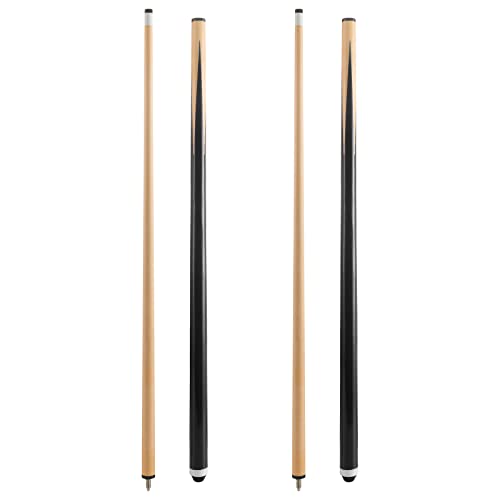
Predator vs McDermott Pool Cues: Which Fits Your Game

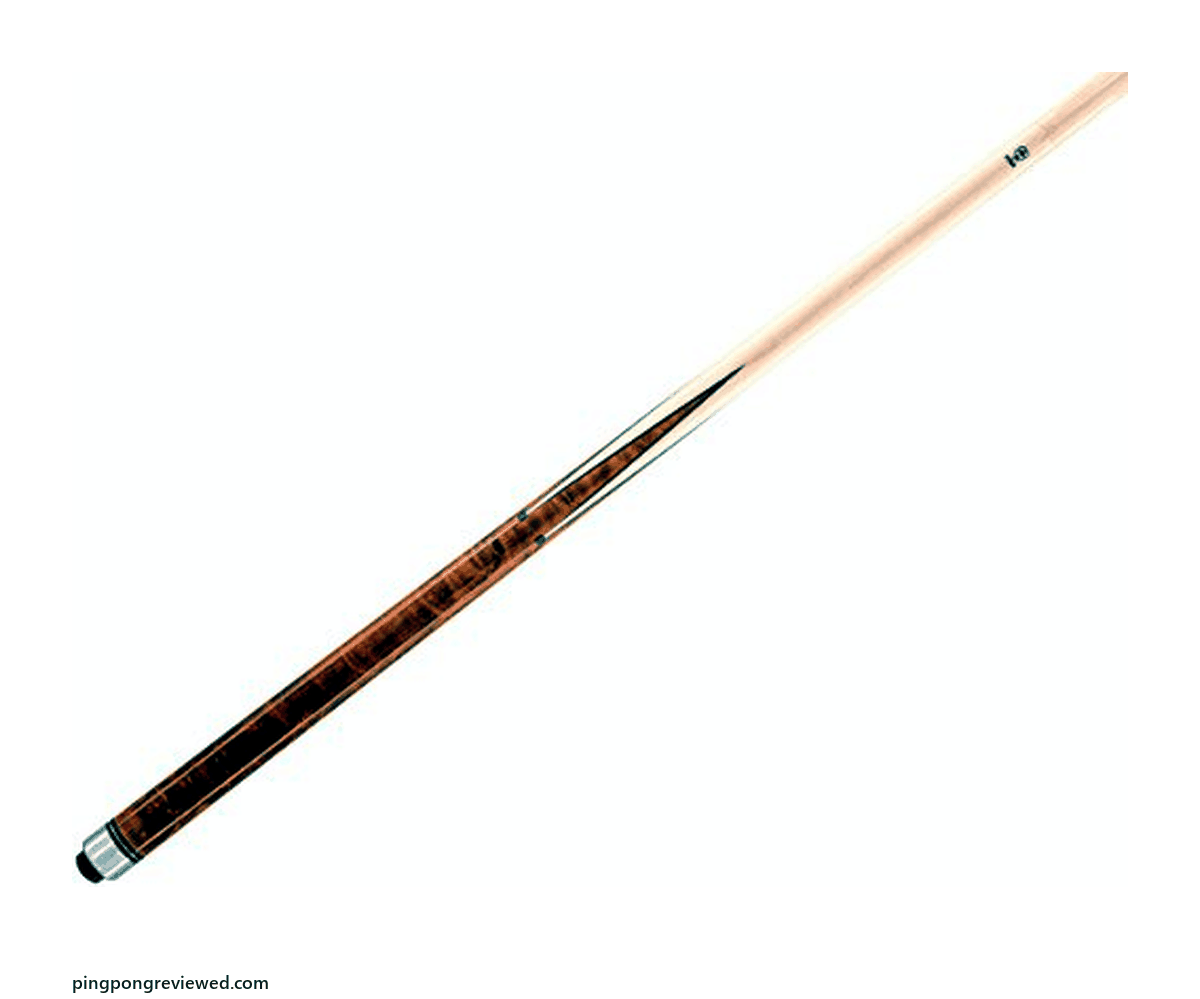
Predator and McDermott both carry legendary reputations in pool cue circles, but they built those reputations on almost opposite philosophies. Neither is objectively the better brand, they are solving different problems for different buyers, and a live check of representative models from each confirms the price gap between them is real, not just marketing positioning.
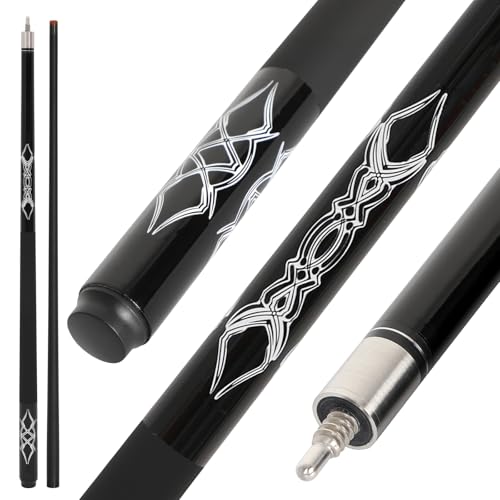
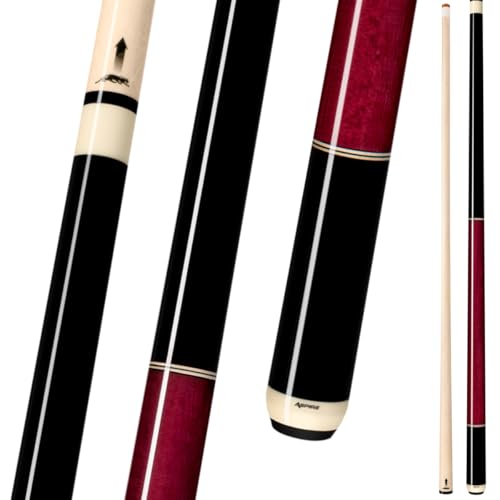
Short answer: Predator is built around engineering-first, low-deflection shaft technology, entry pricing generally starts around $400, and it is the brand favored most heavily on the professional tour. McDermott is built around value and American craftsmanship, entry pricing starts far lower, roughly $150, and it covers a broader range for beginner-to-intermediate players who want dependable quality without paying for performance-tier engineering. A representative McDermott Star S1 (18oz) is confirmed live at a verified $261.25; a representative Predator P3 is confirmed live with no price returned by this review’s check. Verified on 13 September 2026.
⚠️ Watch out: This is not a hands-on tested comparison. What follows is an honest positioning and availability report built from a live, authenticated Amazon check on representative models plus public brand-comparison coverage, not a played-with, side-by-side on-table test.
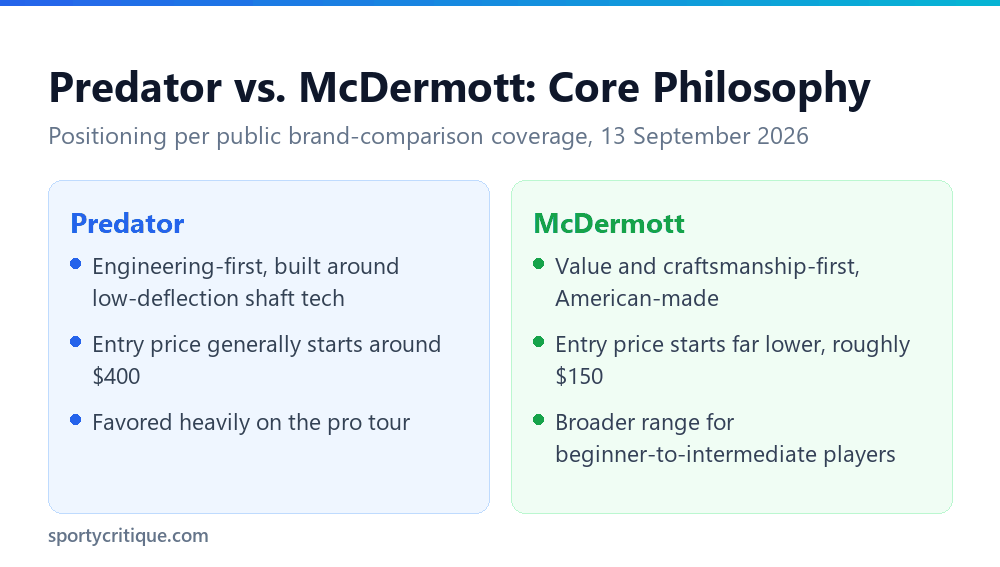
Table of Contents
Confirming Representative Models Are Actually Live
Rather than comparing brand marketing alone, this review checked a representative entry-tier model from each brand against live Amazon data. The McDermott Star S1 (18oz) came back confirmed active with a real price, $261.25, and notably low stock, only 4 units left at the time of this check. The Predator P3 in a no-wrap configuration also came back confirmed active, though no price was returned for that specific ASIN, a comfort-grip variant of the same P3 model checked separately came back “Currently unavailable,” a reminder that specific grip and finish variants can differ in stock status even within the same base model.
Predator’s Engineering-First Philosophy
Predator entered the cue market with a singular technical focus: engineer the lowest-deflection shaft achievable at the time, and that engineering-first identity still defines the brand. Its 314-series low-deflection shaft technology is widely credited with changing expectations for what a shaft could do for accuracy on off-center hits, and public brand coverage notes over half of the world’s top-20 professional players use Predator cues, a real, verifiable adoption signal rather than a marketing claim alone. That performance focus generally comes with a real price tag, published reporting places Predator’s entry pricing at roughly $400, extending well past $2,000 for professional-tier models.
McDermott’s Value and Craftsmanship Philosophy
McDermott built its reputation on a different foundation: domestic American manufacturing, using North American maple and exotic woods, and a broad product range that makes sense earlier in a player’s buying journey. Its cue lineup spans roughly $150 at the entry level to over $3,000 for limited-edition models, a wider low end than Predator’s lineup covers, and the brand carries a strong reputation for dependable, guaranteed-for-life build quality rather than positioning itself around a single engineering breakthrough.
📊 Note: No customer review count or star rating is cited for either representative ASIN because neither API response returned that data for the specific listings checked. Check the linked listings directly for current review volume before buying.
Who Predator Actually Fits
Predator makes the most sense for a player who has already developed consistent fundamentals and is specifically chasing smaller accuracy margins on off-center hits, the exact problem its low-deflection engineering targets. It also fits a buyer planning to stay in the hobby long-term and interested in future shaft or cue upgrades within a single engineering ecosystem, since Predator’s shaft technology carries across multiple product tiers within the brand.
💡 Pro tip: A player upgrading specifically for lower deflection should confirm they can already feel the difference between a wood shaft and a low-deflection design during a demo or trial before committing to Predator’s price point, the benefit is real but most noticeable to a player who already has the stroke consistency to exploit it.
Who McDermott Actually Fits
McDermott makes the most sense for a player who wants a reliable, well-built cue without paying for performance-tier engineering they may not yet need, or a player earlier in their buying journey who wants room to grow within one brand’s wide price range rather than committing to Predator’s higher entry point immediately. Its guaranteed-for-life build quality also appeals to a buyer prioritizing long-term durability and resale confidence over chasing the newest deflection technology.
Stock and Availability Vary by Specific Model
As this review’s own check found, availability differs meaningfully even within the same base model, one Predator P3 grip variant was confirmed active while a different grip variant of the identical model came back unavailable, and the McDermott Star S1 checked here showed real low stock. Buyers should check the exact ASIN and variant they want directly rather than assuming a brand-level or even model-level search guarantees a specific configuration is in stock.
Break-In Feel: Wood Versus Low-Deflection Shaft Construction
A player switching from a traditional wood shaft, common on McDermott’s more classically built cues, to Predator’s engineered low-deflection shaft construction typically notices a different feel and hit sound, not necessarily better or worse, just different, and it usually takes several sessions to fairly judge whether the deflection improvement outweighs the feel change. Judging either brand’s cue from a single session risks an unfair first impression in either direction.
Mid-Tier Options Between the Two Entry Points
The gap between McDermott’s roughly $150 entry point and Predator’s roughly $400 entry point is wide, and both brands sell extensively within that middle ground rather than jumping straight from entry-level to professional-tier pricing. A player who has outgrown a true beginner cue but is not yet certain they want to commit to Predator’s engineering premium has real options within McDermott’s own mid-range lineup, which still uses better woods and tighter construction tolerances than its true entry models without approaching Predator’s price point. Treating this as strictly a two-tier decision, cheap McDermott or expensive Predator, overlooks a meaningful middle range worth exploring first.
Resale Value and Long-Term Ownership
Both brands hold resale value reasonably well compared to generic or off-brand cues, largely because both carry strong, well-established name recognition among regular players. McDermott’s guaranteed-for-life warranty specifically supports long-term ownership confidence, a documented policy rather than informal goodwill, while Predator’s resale value benefits from its strong professional and competitive-player association. Neither factor should be the deciding factor in a purchase decision on its own, but both are worth knowing for a buyer weighing this as a longer-term investment rather than a single season’s equipment.
Shaft Compatibility and Future Upgrades
Predator’s ecosystem approach means a buyer can often upgrade just the shaft on a Predator cue to a newer generation of its 314-series technology without replacing the entire cue, a real practical advantage for a player who wants to stay current with shaft technology over time without buying a whole new cue every few years. McDermott’s more traditional wood-shaft construction does not offer that same modular upgrade path in most of its lineup, upgrading typically means buying a different cue entirely rather than swapping a component. This is a real, structural difference between the two brands’ long-term ownership models, not simply a marketing distinction.
What This Comparison Doesn’t Cover
This page reports live availability findings on two representative models plus each brand’s own stated positioning and public brand-comparison coverage, not a hands-on, side-by-side test of deflection performance, hit feel, or long-term durability between the two brands. Independent player reviews and cue-testing forums, where available, remain a better source for that kind of experiential detail than any single positioning-and-availability comparison, this one included.
How to Verify This Yourself
Cue pricing and stock can shift by specific model and finish, similarly to how this site has documented model-level stock differences directly in other equipment categories. Checking the exact ASIN or model page directly on Amazon, or checking each brand’s own site (predatorcues.com, mcdermottcue.com), both confirm whether this pricing and availability picture still holds at the time of reading rather than relying on this comparison indefinitely.
Check the McDermott Star S1 on Amazon ($261.25 verified, only 4 left in stock)As an Amazon Associate, we earn from qualifying purchases through links on this page.
- ✓Match the brand to your actual skill level and budget, not just pro-tour reputation
- ✓Check the exact ASIN and grip/finish variant directly given how much stock varies
- ✓Demo or trial a low-deflection shaft before paying Predator’s premium for one
- ✓Consider McDermott’s wider entry-level range if buying your first serious cue
- ✕Assume Predator is automatically the right choice because professionals use it
- ✕Assume every Predator or McDermott model shares the same stock status
- ✕Buy a performance-tier cue before your fundamentals can exploit its benefits
- ✕Skip checking current price directly given how much it varies by specific model
Where to Buy Either Brand
The Amazon listings verified for this review are legitimate channels for both brands, but each also sells directly through authorized dealers and their own sites, predatorcues.com and mcdermottcue.com, which sometimes carry additional models, finishes, or current promotions not reflected on a specific Amazon listing. Cross-checking price and exact model across more than one source before buying is reasonable due diligence at this price point.
The Verdict
In short: neither brand is objectively better, Predator wins for a player chasing measurable, engineering-driven performance and willing to pay a higher entry price for it, while McDermott wins for a player who wants dependable, American-made quality at a friendlier entry point and room to grow within one brand’s wide range. Both representative models checked for this review are confirmed live, with the McDermott Star S1 verified at $261.25 and confirmed low in stock at the time of this check.
Common Questions
Is Predator or McDermott the better pool cue brand?
Neither is objectively better, Predator suits a performance-focused player chasing low deflection at a higher entry price, McDermott suits a value- and craftsmanship-focused player at a lower entry price.
How much does a Predator cue cost compared to McDermott?
Published reporting places Predator’s entry pricing around $400, extending past $2,000 for pro-tier models, while McDermott starts around $150 and extends past $3,000 for limited editions.
Is the McDermott Star S1 currently available?
Yes, confirmed active with a verified $261.25 price, though stock was low (4 units) on a live check on 13 September 2026.
Why do more professionals play Predator?
Predator’s 314-series low-deflection shaft technology targets the fine accuracy margins elite players compete at, a real, documented adoption pattern rather than a marketing claim alone.
Has this comparison actually tested both brands side by side?
No, this is a verified-positioning and availability comparison based on each brand’s own materials, public comparison coverage, and a live Amazon check, not a hands-on tested assessment.
The Short Version
- →Predator is engineering-first, built around low-deflection shaft technology.
- →McDermott is value- and craftsmanship-first, built domestically in the US.
- →Predator entry pricing starts around $400; McDermott starts around $150.
- →McDermott Star S1 (18oz) is confirmed live at a verified $261.25.
- →Predator’s P3 no-wrap variant is confirmed live; a different grip variant was unavailable.
- →Match the brand to your actual skill level and budget, not pro-tour reputation alone.