Wilson Blade 98 V10 Review: Verified Specs and Price

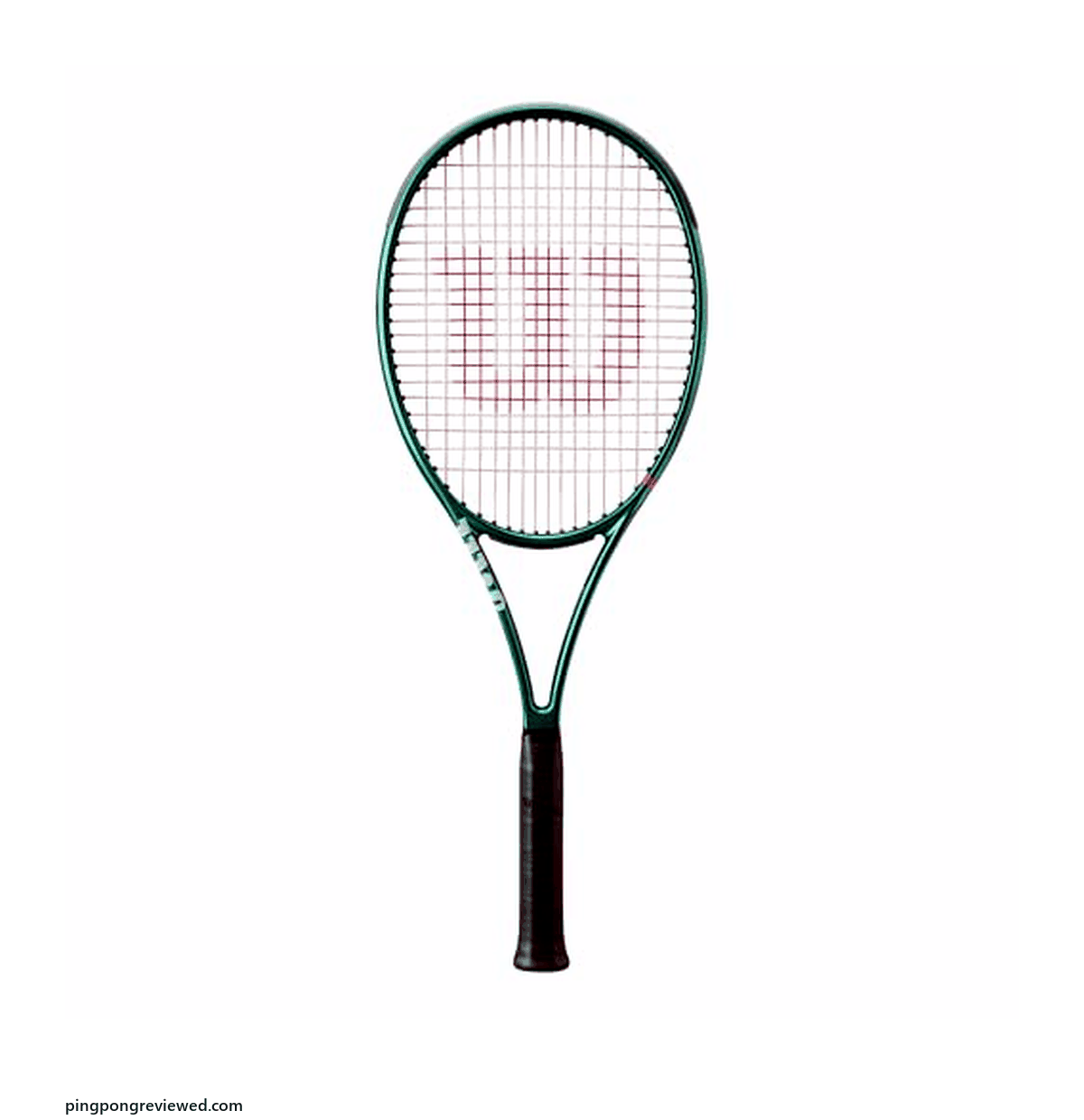
Every Blade generation gets the same question: is this a real update or a repaint. The V10’s beam geometry is different enough from V9 that the answer this time is truly the former, verified against Wilson’s own launch specifications.
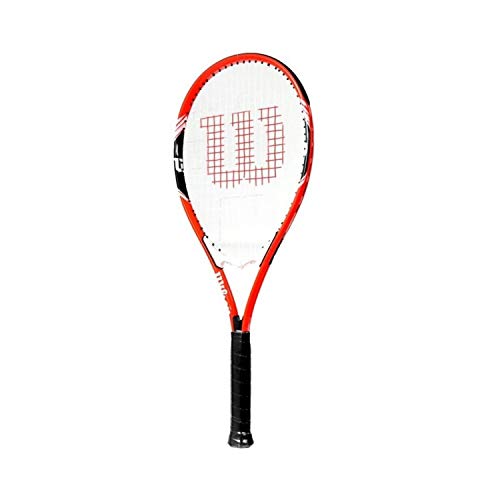
Short answer: The Wilson Blade 98 16×19 V10 is confirmed live on Amazon at $299.00 across both grip sizes checked. It carries a 98 sq in head, 16×19 string pattern, 305g unstrung weight, 321 swing weight, and a 58 RA stiffness rating, with a new variable-width “TurboTaper” beam (20.5mm at the throat, 21.5mm at the head) and “StableFeel+” construction aimed at more stability and pop than the V9. This is a verified-specs review, not a hands-on tested one. Prices and stock confirmed via live Amazon check on 11 September 2026.
📊 Note: What this review is. We have not strung and hit with this specific racquet. What follows is verified pricing, the manufacturer’s own specification numbers, and what changed relative to the previous generation, not a hands-on feel report.
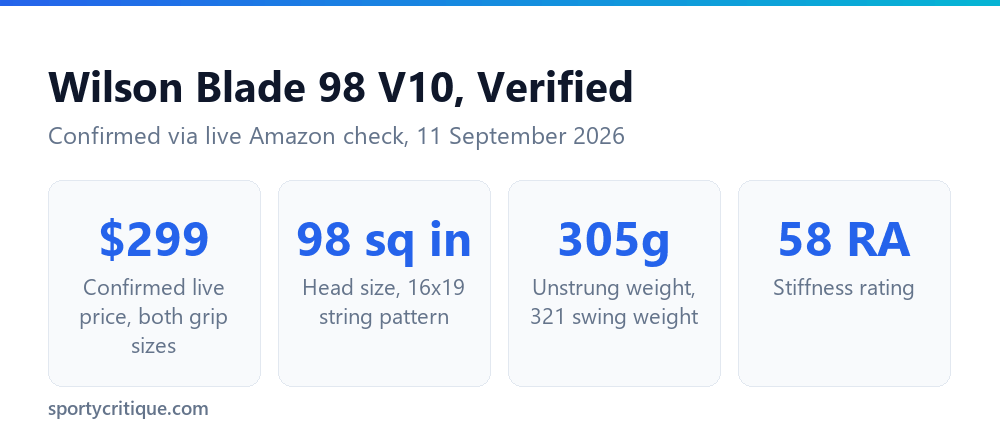
Table of Contents
What Actually Changed From V9
The V10’s headline change is a variable-width beam Wilson calls TurboTaper: a slightly thinner 20.5mm profile through the throat that tapers up to 21.5mm at the head. Combined with a new “StableFeel+” construction, the design goal is more power transfer and stability at contact without moving to a meaningfully stiffer or heavier frame. Reviewer coverage checked for this piece describes the in-hand feel as similar to the V9 mold with a firmer, more solid response, a refinement rather than a redesign, consistent with how Wilson has evolved the Blade line across recent generations rather than reinventing it each cycle.
The Verified Specifications
Price and Live Availability
Trade coverage at launch listed the V10 at $289 to $299. A direct, authenticated check against two Amazon listings, covering two different grip sizes, confirmed both currently live at exactly $299.00, with limited stock showing on both (single digits to low teens of units remaining at the time of this check). That stock signal is worth taking seriously if a specific grip size is required, since a popular new racquet launch selling through initial stock quickly is a common pattern worth planning around rather than assuming availability will hold.
Check current price and stock (Grip 3-4 3/8″) (Amazon)Check current price and stock (Grip 1-4 1/8″) (Amazon)As an Amazon Associate, we earn from qualifying purchases through links on this page.
Who This Racquet Is Actually For
A 98 sq in head with a 16×19 pattern and 305g unstrung weight is a squarely intermediate-to-advanced players’ frame specification, not a beginner-friendly setup. The relatively flexible 58 RA stiffness rating suggests a frame that rewards generating your own pace through a full, committed swing rather than one that adds significant power passively the way a stiffer, more powerful frame does. Players moving up from a more forgiving, head-heavy beginner or intermediate racquet should expect a real adjustment period, this specification profile demands more from the player’s own technique than it compensates for.
The ‘Championship Green’ Cosmetic Refresh
Alongside the construction changes, Wilson gave the V10 generation a new gloss “Championship Green” finish across the line, a departure from the matte finish recent Blade generations have used. A cosmetic refresh alone wouldn’t justify treating this as a real update, and it isn’t the reason this piece frames the V10 as more than a repaint, the beam geometry change covered above is doing that work. But it’s worth noting the new finish separately from the performance changes, since a buyer comparing photos of V9 and V10 online will notice the color and gloss difference immediately, well before any beam-width difference that’s much harder to see in a product photo.
Tour Usage: What It Does and Doesn’t Tell You
Reviewer coverage checked for this piece reports the V10 being played on tour by four top-10 WTA players, including world number one Aryna Sabalenka. Tour usage is a real signal that a frame performs at the highest level, but it’s worth being precise about what it doesn’t tell a recreational buyer: tour players frequently play heavily customized versions of a retail frame, different weight, different string setup, sometimes different actual specs entirely under the same paint job, so tour usage speaks to the model’s pedigree more than it guarantees the exact retail-spec racquet will feel identical to what’s used on court at the professional level.
String Setup Considerations
A 16×19 pattern on a 58 RA frame is a combination that generally plays well with a range of string setups, but it’s worth understanding the trade-offs before defaulting to whatever came pre-strung on a specific listing. A full polyester setup tends to maximize the spin potential the open 16×19 pattern already favors, at some cost to comfort on a frame that’s already on the flexible side and doesn’t need much help generating feel. A hybrid setup, poly in the mains for durability and spin, a softer multifilament or synthetic gut in the crosses for comfort, is a common middle-ground choice for players who want some of poly’s control benefits without giving up all of the frame’s natural flex-driven feel.
💡 Pro tip: If ordering a pre-strung listing, check exactly what string and tension it ships with, since that default setup may not match what a specific player’s game actually wants, and restringing to a preferred setup shortly after purchase is common practice for a frame at this level rather than a sign the stock stringing job was wrong.
Tension itself is a separate lever worth adjusting independently of string material. A lower tension on the same string generally adds a touch more power and comfort at some cost to control, while a higher tension tightens up control and predictability at some cost to comfort and easy power. Since the frame itself already sits on the flexible, feel-oriented end of the stiffness spectrum, players who find the stock setup too lively for their liking often have more room to size up tension here than they would on a stiffer frame, before needing to change string material entirely.
Comparing Across the Blade Family
Wilson sells the Blade line across multiple head sizes and string pattern combinations, not just the 98 16×19 covered here, and choosing between them matters more than choosing between generations of the same exact spec. A denser 18×20 pattern version of the same 98 head trades some spin potential for a more controlled, predictable string bed, generally favored by flatter, more precision-oriented hitters over players who rely heavily on topspin. Larger head-size variants in the same family trade some of the control and feel covered here for a larger, more forgiving sweet spot, a real consideration for a player whose contact point isn’t always perfectly centered. Choosing within the Blade family by actual playing style, rather than defaulting to whichever spec happens to be most heavily marketed in a given season, is worth the extra research before committing to this specific 98 16×19 configuration.
Upgrading From an Older Blade Generation
A player currently on a V7 or V8 Blade considering the jump to V10 is skipping more incremental changes than someone coming directly from V9, and it’s worth setting expectations accordingly. Each generational step in the Blade line has typically involved smaller adjustments to weight distribution, grommet design, or minor beam tweaks, so a two-or-three-generation jump compounds those smaller changes into something more noticeable than the V9-to-V10 comparison covered throughout this piece. A player making that larger jump should budget more adjustment time than someone making the single-generation move this review focuses on, and ideally demo the frame before committing if that option is available locally.
What This Review Doesn’t Cover
This page reports verified specifications, confirmed live pricing and stock, and documented changes from the prior generation, not a hands-on assessment of actual on-court feel, spin generation, or long-term durability under regular play. For that kind of experiential detail, independent reviewer playtests and owner discussions on dedicated tennis equipment forums are a meaningfully better source than any single specs-based review, this one included.
How to Verify This Yourself
A new racquet launch’s pricing and stock levels shift over time, and this review’s stock figures reflect a single point-in-time check rather than a permanent guarantee. Checking the linked listings directly before purchase confirms whether the specific grip size needed is still available and at what current price, particularly relevant here given the limited stock levels observed at check time.
- ✓Confirm current stock and price on the specific grip size needed before buying
- ✓Expect a real adjustment period coming from a more forgiving, head-heavy frame
- ✓Treat tour usage as a pedigree signal, not a guarantee of identical retail-spec feel
- ✓Compare the TurboTaper beam spec directly against V9 if upgrading from that generation
- ✕Assume a new numbered generation is just a repaint without checking what changed
- ✕Buy without checking grip size availability given the limited stock observed
- ✕Expect the exact tour-player setup from an unmodified retail frame
- ✕Skip verifying current price, since new-launch pricing and stock both shift
The Verdict
In short: the Wilson Blade 98 V10 is a confirmed live, currently purchasable racquet at $299.00, with a real, verifiable construction change (the TurboTaper beam) from the previous generation rather than a cosmetic refresh alone. Its specification profile, 98 sq in head, 16×19 pattern, moderate-to-heavy weight, flexible stiffness, targets intermediate-to-advanced players building their own pace, not beginners. Stock on the specific grip sizes checked was limited at the time of this review, worth checking directly before planning a purchase.
One more practical note before wrapping up: grip size availability shifts fastest on a new, in-demand launch, so a specific size showing low stock today doesn’t necessarily mean it will still be available next week, and it’s worth deciding sooner rather than later if a particular grip is the deciding factor.
Common Questions
How much does the Wilson Blade 98 V10 cost?
$299.00, confirmed via live Amazon listings across both grip sizes checked.
What changed in the Wilson Blade V10 versus the V9?
A new variable-width TurboTaper beam (20.5mm to 21.5mm) and StableFeel+ construction, described as producing a firmer, more stable in-hand feel.
Is the Wilson Blade V10 good for beginners?
Not typically, its 98 sq in head, 16×19 pattern, and moderate-heavy weight suit intermediate-to-advanced players more than true beginners.
Do tour players actually use the retail Wilson Blade V10?
Several top players use the Blade V10 line, but tour setups are frequently customized and may differ from the unmodified retail frame.
Has this review actually tested the Wilson Blade V10?
No, this is a verified-specs and pricing review based on manufacturer data and direct reviewer coverage, not a hands-on tested assessment.
The Short Version
- →The Wilson Blade 98 V10 is confirmed live at $299.00 on Amazon.
- →A new TurboTaper variable-width beam is a real, not cosmetic, change from V9.
- →Specs: 98 sq in head, 16×19 pattern, 305g unstrung, 58 RA stiffness.
- →Suits intermediate-to-advanced players more than beginners.
- →Stock on checked grip sizes was limited at time of review.
- →Tour usage reflects pedigree, not a guarantee of identical retail-spec feel.