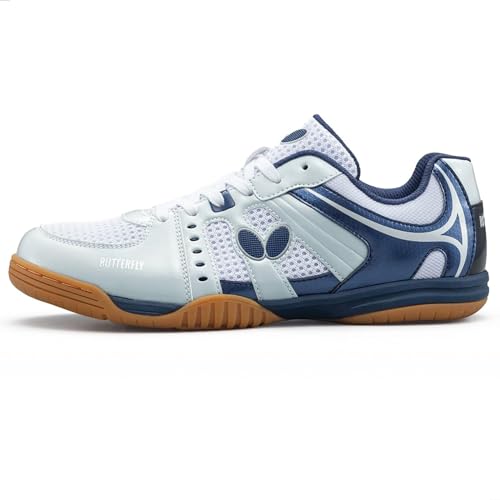
Best Ping Pong Shoes: 3 Fast Picks, No Full Guide Required


Not every buyer wants a long breakdown of outsole compounds before choosing a pair of shoes. If you already know roughly what you want, here are the best ping pong shoes worth buying right now, three picks, no filler, checked against live Amazon stock so nothing here sends you to a dead listing. The full reasoning behind each recommendation, brand comparisons, and sizing details live in the linked guides below for anyone who wants to go deeper after landing on a pick.
Buy the Butterfly Lezoline Rifones ($159.99) if you want one solid pair that works for club and recreational play. Buy the ASICS Gel-Rocket 11 ($69.48) if you’re not ready to spend over $150 and just want to try a proper court shoe. Buy the Butterfly Lezoline Gigu ($129.99) if you play long sessions and want more cushioning without losing the low-to-the-ground stability a table tennis shoe needs.
Table of Contents
The Shortlist
Best Overall: Butterfly Lezoline Rifones
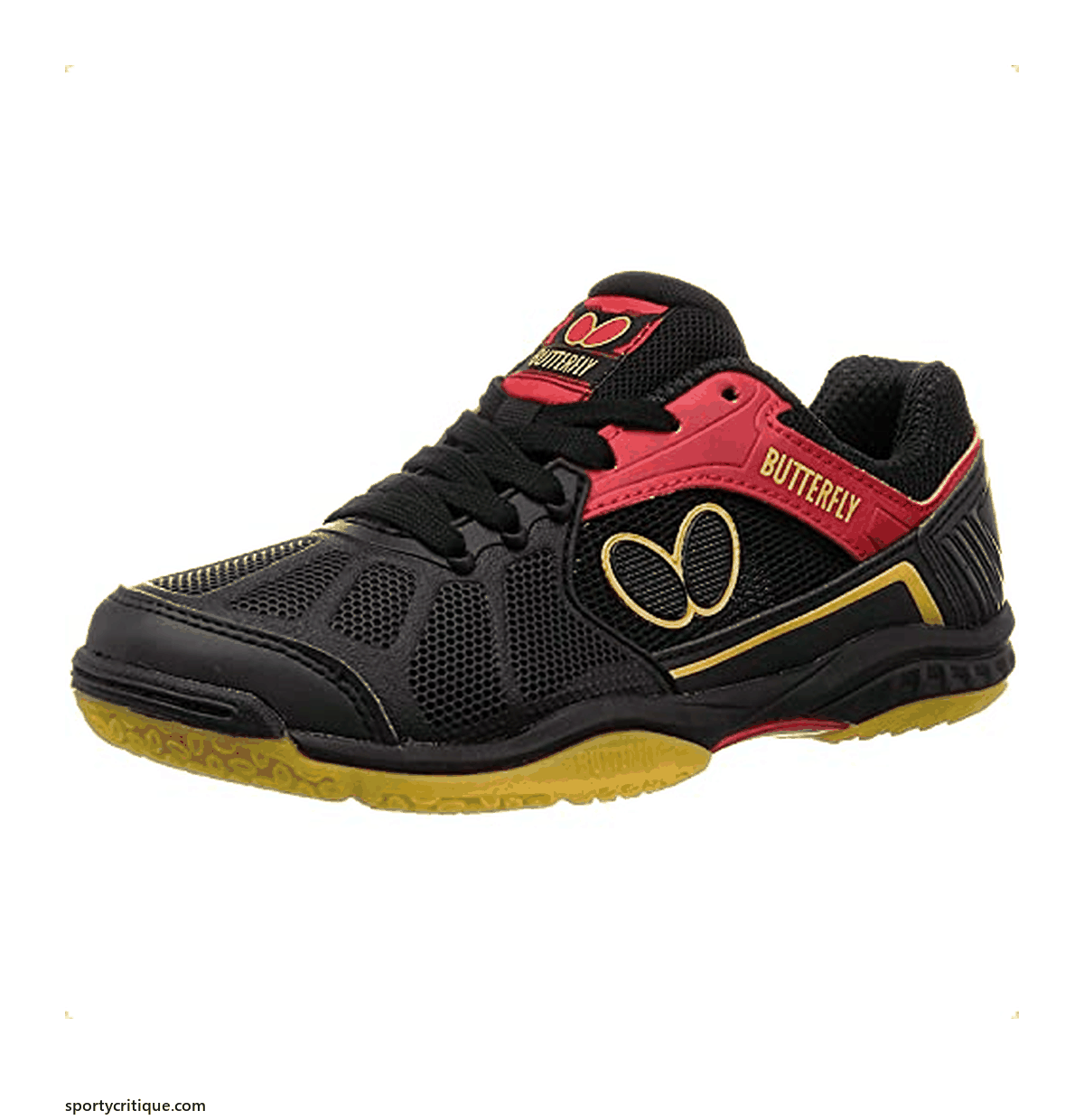
This is the pick for someone who wants one pair that just works: low profile, good lateral grip, light enough for a full session, priced in the middle of the market at $159.99. It’s in stock right now. Check the current listing ↗
It runs true to size for most feet but narrower through the midfoot than a typical trainer, so go up half a size if your foot is on the wider side. This is the pick to default to if nothing about your situation, budget, playing frequency, or foot shape, pushes you toward one of the other two.
Best Budget: ASICS Gel-Rocket 11
Worth flagging honestly: this is a volleyball shoe, not a table tennis shoe. It still covers the core basics, low sole, indoor-court grip, at $69.48 instead of $130 to $160. Good for casual or social play, or as a way to try a real court shoe before committing to a pricier dedicated model. Stock is down to 1 unit on Amazon as of this writing. See the listing ↗
Its outsole pattern is tuned for volleyball’s jumping and forward footwork rather than table tennis specifically, so grip on a quick lateral pivot is a step behind the dedicated models above. For once or twice a week play that’s a fair trade for the price difference. For daily training it starts to show.
Best Cushioning: Butterfly Lezoline Gigu
For longer sessions or players who put more weight through their feet on each push-off, the Gigu balances shock absorption with a low, stable base at $129.99. Only 4 left on Amazon right now. Check current availability ↗
If two or more hours on your feet is a normal session for you, the extra cushioning here matters more than it would for someone playing thirty minutes a week. It’s still low profile enough to keep the lateral stability a table tennis shoe needs; it just adds a bit more protection underneath for the long sessions.
What Almost Made the List
Two more options came close enough that they’re worth a quick mention rather than leaving out entirely. The Butterfly Lezoline Mach ($149.99, only 2 left) is arguably the best pure performance shoe of the group but costs more and strips out some of the cushioning most casual buyers want, which is why it’s covered in more depth in the performance guide rather than here. A pair of table tennis socks ($10.95) is also worth adding to any of these three orders. Thin, non-bunching socks matter more inside a low-profile shoe than they do in a cushioned running shoe.
How These Picks Were Checked
Every price and stock count on this page came from a live query against Amazon’s catalog at the time this shortlist was written, not a figure copied from an old listing months ago. That matters more for a quick-pick page than a long guide, since the entire point is trusting the recommendation without reading further. If a model’s listing showed as out of stock or discontinued during that check, it was dropped from the shortlist rather than kept with a caveat. Nothing on this page has been physically tested by this site; the picks reflect published specs and consistent feedback from players and coaches, combined with what’s actually buyable today.
Sizing Quick Reference
Why This List Stops at Three
A longer list doesn’t actually help someone who wants a fast decision. Every model added past the point where it changes the recommendation for a different kind of buyer is just more scrolling. These three cover the three buyers who show up most often: someone who wants a dependable all-rounder, someone on a tighter budget, and someone who needs more cushioning for longer sessions. If none of those describes your situation, that’s the signal to read further rather than force a fit from this shortlist.
This is also why the page leads with the answer instead of building up to it. A buying guide earns a long introduction because it’s teaching you how to evaluate a shoe yourself. A shortlist exists so you don’t have to do that evaluation on your own; the work has already been done, and burying the picks under paragraphs of setup would defeat the purpose of the page.
Common Mistakes When Buying Without Reading Further
- ✓Confirm your size is actually in stock before checkout, not just the listing overall
- ✓Size up half a size in Lezolines if your foot runs wide
- ✓Keep these for indoor courts only
- ✕Assume the cheapest option is the best value if you play three or more times a week
- ✕Buy a size based on a different brand’s running shoe fit
- ✕Wear them outdoors and expect the grip to hold up indoors afterward
When a Quick Pick Isn’t the Right Approach
A shortlist works when the differences between buyers are small enough that three options cover most people. It works less well if you’re recovering from an ankle injury and need specific support features, if you compete at a level where marginal grip differences actually affect match results, or if you’re buying for a foot shape that doesn’t fit these models well. In those cases, the extra ten minutes reading the full guide is worth more than the time saved here.
There’s also a simpler reason to read further sometimes: price and stock change. A shoe sitting at one unit left today might be back to full stock next week, or it might sell out completely. If the exact model you want from this page isn’t available when you go to buy it, the full buying guide covers enough alternatives that you won’t be stuck starting your search over from nothing.
⚠️ Watch out: Stock counts on this page reflect a single point in time. Always check the live listing before buying, especially for the picks marked as low stock here.
A Note on Why Prices and Stock Will Drift
Amazon’s marketplace pricing on niche sporting goods like table tennis shoes moves more than mainstream categories, partly because fewer sellers carry a given size and color combination. A shoe showing as fully in stock today can drop to a handful of units within a week if a popular size sells through, and prices on the scarcer models can shift by ten to twenty dollars depending on which seller currently holds the buy box. None of that changes which shoe is the right fit for a given buyer; it just means the exact number on this page is a snapshot, not a guarantee, which is worth keeping in mind between reading this and actually checking out.
The same logic applies in reverse. A model that was out of stock when this page was last checked could easily be back by the time you’re reading it. If a pick here shows differently than described, that’s a timing gap rather than an error, and the fix is simply checking the live listing rather than distrusting the recommendation itself.
- →Butterfly Lezoline Rifones ($159.99): best overall, in stock now.
- →ASICS Gel-Rocket 11 ($69.48): best budget pick, a volleyball shoe that still covers the basics, only 1 left.
- →Butterfly Lezoline Gigu ($129.99): best for longer sessions needing more cushioning, only 4 left.
- →This list stays short on purpose. Read the full guide if your situation doesn’t match one of these three.
Frequently Asked Questions
Is a three-pick shortlist actually reliable, or should I always read a full guide?
For most buyers who already know roughly what they want, a short, honestly-labeled shortlist is enough. It becomes less reliable the more specific your situation is, competitive play, injury history, an unusual foot shape, which is exactly when the fuller guides linked above are worth the extra reading time.
Why does the budget pick keep showing as low stock?
Amazon listings for a single size or color can show scarce stock while the overall model is still being manufactured and restocked regularly. Check the size you actually need on the listing page itself rather than assuming the whole model is running out.
Can I mix and match, like buying the budget shoe now and upgrading later?
Yes, and it’s a reasonable way to spread the cost if you’re not sure how often you’ll keep playing. Just don’t expect a full refund or resale value on the first pair. Treat it as a genuine trial rather than a placeholder you’ll return.
Why isn’t the Lezoline Mach one of the three main picks?
It’s a strong shoe on its own merits, but it’s priced higher and built with less cushioning than most casual buyers want, which makes it a better fit for the performance-focused audience covered in the linked deep dive than for a general quick-pick list.
Do I need special socks for these shoes, or will any athletic sock work?
A regular athletic sock will work without causing problems. A thinner, non-bunching sock designed for court sports fits better inside a low-profile shoe and is worth the small extra cost if you’re already placing an order.
Are these three picks men’s, women’s, or unisex sizing?
All three are listed under men’s sizing on Amazon, which is how table tennis shoes are typically sold regardless of who wears them. Check the specific size chart on each listing and convert from your usual size rather than assuming standard men’s-to-women’s offsets apply evenly across brands.
What if I’d rather just wear a regular sneaker I already own?
You can for casual, occasional play without much issue. The tradeoff is mainly about grip and ankle stability during quick lateral movement, which matters more the more seriously and often you play. The comparison guide linked above covers exactly where that line sits.
Should I buy directly from this page or compare prices elsewhere first?
It’s reasonable to compare, and the prices shown here reflect a live check rather than a fixed number, so a quick look at the current listing before buying costs nothing and confirms you’re still getting what’s described on this page.
As an Amazon Associate, we earn from qualifying purchases through links on this page.