Which Running Shoe Guide Fits You: A Quick Decision Hub

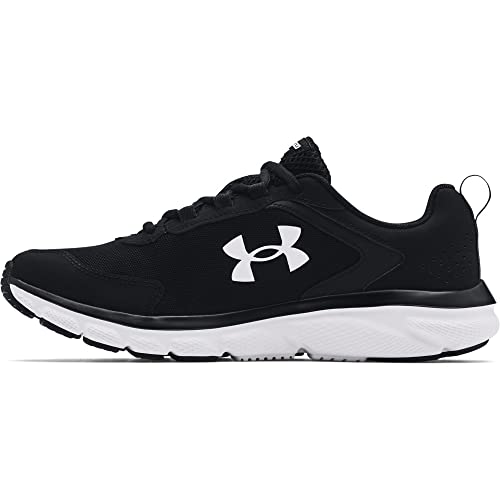
Trying to figure out which running shoe guide fits you on this site? This page is a short decision hub, not a shoe review: answer a few quick questions below and it routes you straight to the specific guide, and the specific verified picks, that actually match your situation.
🏃 Running Hub: Explore all 23 shoe reviews, training guides, and GPS watch comparisons in our Complete Running Resource Hub.

Trying to figure out which running shoe guide fits you on this site? Start with whether you have a diagnosed foot condition (flat feet, high arches, or a shin-splint history), then whether you run on trails or roads, then whether a gender-specific fit matters to you. Each answer points to a specific guide below. If none of those apply, skip straight to our top overall picks instead.
This site publishes several running-shoe guides because “best running shoes” isn’t actually one question, it’s several different ones depending on who’s asking. Rather than repeat the same generic list under each guide’s headline, this page exists purely to route you to the specific guide that matches your actual situation, with real links to each one below.
- →A diagnosed foot condition, flat feet, high arches, or shin-splint history, should be the first thing you check
- →Trail and road running call for genuinely different shoe designs, not the same shoe in a different color
- →Gender-specific guides exist because last shape and standard sizing differ enough to matter for fit
- →If none of the above apply to you, our top overall picks guide gives a direct answer without a decision tree
- →This page recommends no products directly; every link below points to a guide with its own verified picks

Table of Contents
If you have a specific foot condition
Certain foot conditions change what actually matters in a running shoe enough that a generic “best running shoes” list won’t serve you well. If a podiatrist, a gait analysis, or your own experience has flagged one of the conditions below, start with the matching guide instead of a general list.
If terrain is the deciding factor
Road and trail running ask different things of a shoe: outsole traction pattern, upper protection against debris, and torsional stability on uneven ground all matter far more off-road than they do on pavement. Running trail terrain in a pure road shoe is a common, avoidable cause of rolled ankles and lost traction on loose surfaces.
If a gender-specific fit matters to you
Running shoe lasts, the internal mold a shoe is built around, commonly differ between men’s and women’s versions of the same model beyond just size scaling, including narrower heel cups and different forefoot volume on many women’s-specific builds. If you’ve found unisex or men’s-labeled sizing doesn’t fit you well, a gender-specific guide is worth checking before assuming the shoe itself is the problem.
If none of the above apply to you
Not every reader has a foot condition, a strong trail habit, or a brand preference driving the decision. If that’s you, the fastest path is our top overall picks guide, which recommends four verified shoes directly, one per major category (neutral, stability, max-cushion, and lightweight), without routing you anywhere else first.
💡 Pro tip: If you’re not sure whether you overpronate, which is the main signal for needing a stability shoe rather than a neutral one, a specialty running store gait analysis is a quick, usually free way to find out before you buy based on a guess.
Why this site splits running shoes into so many guides
It would be simpler to publish one long “best running shoes” list and call it done, but that approach quietly fails the readers with an actual specific need, a foot condition, a terrain difference, or a fit issue, by burying their situation under generic advice aimed at nobody in particular. Splitting the topic into focused guides, each with its own verified picks for that specific situation, serves both readers better: the general reader gets a direct answer from the top overall picks guide, and the reader with a specific need gets a guide actually built around it.
This hub page is the map for that structure. It intentionally recommends no products of its own, since the moment it started listing specific shoes it would just become another version of the same generic list this whole structure exists to avoid. Its only job is getting you to the right guide quickly.
A closer look at foot-condition guides
Flat feet and high arches are opposite ends of the same spectrum, an arch that collapses more than average versus one that flexes less than average, and they call for close to opposite shoe adjustments. Flat feet often benefit from more structured support to control excess motion, while high arches often do better with extra cushioning to compensate for reduced natural shock absorption. Confusing the two and buying based on the wrong guide can leave you in a shoe that fights your foot rather than working with it, which is exactly why this site keeps them as two separate guides rather than folding both into one “foot support” list.
Wide feet and shin-splint history solve for different things entirely. A wide-feet guide is fundamentally about last shape and toe box volume, fit dimensions that don’t change how a shoe cushions or supports your gait, just whether it’s comfortable to wear at all. A shin-splint guide is about impact management and often overlaps with the stability category, since shin splints are frequently, though not always, linked to overpronation. If you have a shin-splint history without a diagnosed pronation issue, it’s still worth reading that guide specifically, since it weighs impact absorption more heavily than a general stability recommendation would.
A closer look at the trail guide
Trail running shoes differ from road shoes in three concrete ways: a more aggressive lugged outsole for grip on dirt, mud, and loose rock; a reinforced upper, often with a toe cap or rock plate, to protect against roots and sharp debris that a road shoe’s mesh upper isn’t built to handle; and a lower, wider platform on some models for stability on uneven, sloped ground. None of these features help on pavement, and the stiffer, grippier outsole can actually feel worse and wear unevenly on a hard, flat road surface, which is why trail and road shoes stay separate categories rather than one shoe trying to do both jobs adequately.
If your running is mostly road with the occasional short unpaved section, a road shoe usually still makes more sense than a trail shoe, since you’ll spend the overwhelming majority of your mileage on the surface a road shoe is actually built for. The trail guide is aimed at runners whose regular routes are predominantly off-road, not at anyone who occasionally crosses a gravel path.
A closer look at the gender-specific and brand guides
Beyond last shape and heel-cup width, gender-specific running shoe lines sometimes use a softer midsole tune on women’s-specific models, reflecting average differences in body weight and stride, though this varies by brand and model rather than being a universal rule. The practical test isn’t the label on the box, it’s whether a specific shoe’s fit and ride feel right for your foot; the gender-specific guides on this site exist because enough readers have found the labeled fit matches their experience closely enough to be worth checking first.
The Nike-specific guide serves a narrower purpose: readers who already know their foot fits Nike’s particular last shape well, or who have brand loyalty from past purchases, and would rather see verified picks within that one brand than compare across several. It isn’t a claim that Nike is objectively better than the other brands appearing across this site’s guides, just a convenience for readers who’ve already made that brand decision.
What this hub deliberately doesn’t do
It’s worth being explicit about the boundary here: this page will never grow into a full running-shoe review or add its own product recommendations, even as new guides get added to this site over time. Keeping it purely as a router, rather than letting it slowly turn into another buying list, is what keeps it useful. If you ever land here and it starts reading like a shoe review instead of a signpost, that’s a sign something has drifted from its original purpose.
Each linked guide is maintained and updated on its own schedule as products change, get discontinued, or new models replace old ones. That’s another reason this hub avoids naming specific shoes directly: a specific recommendation here would risk going stale independently of whichever guide it duplicated, creating two places that could disagree with each other over time instead of one source of truth per topic.
A quick self-check before you click through
- ✓Check for a diagnosed foot condition first; it’s the strongest signal for which guide actually fits
- ✓Consider your typical terrain honestly, most runners do more road miles than they think
- ✓Try shoes on in person when possible, even after reading a guide’s recommendation
- ✓Come back to the top overall picks guide if a specialized guide’s picks don’t feel right for you either
- ✕Do not guess at a foot condition without at least some evidence, a gait analysis or a doctor’s note
- ✕Do not assume a trail shoe is automatically ‘more capable’ for road running; the tradeoffs run the other way too
- ✕Do not force yourself into a specialized guide’s picks if you don’t actually have that specific need
- ✕Do not buy shoes for a condition you don’t have just because a guide exists for it
How do I know which running shoe guide is right for me?
Start with whether you have a diagnosed foot condition, then whether you run mostly on trails or roads, then whether a gender-specific fit has mattered for you before. Each of those points to a specific guide on this page; if none apply, our top overall picks guide gives a direct answer instead.
What if I don’t know whether I have a foot condition like overpronation?
A gait analysis at a specialty running store is a quick, usually free way to find out, and it’s more reliable than guessing from shoe wear patterns or symptoms alone. Guessing and buying a stability or condition-specific shoe you don’t actually need doesn’t help and can feel worse than a neutral shoe for some runners.
Can I just read the top overall picks guide and skip everything else?
Yes, if you don’t have a specific foot condition, a strong trail habit, or a brand loyalty driving your decision. That guide recommends four verified shoes directly across the main categories without routing you through a decision tree first.
Do the specialized guides on this site recommend different shoes than the overall picks guide?
Yes, deliberately. Each specialized guide is built around verified picks suited to that specific condition, terrain, or fit need, which can be a meaningfully different shoe than what suits a reader with no specific requirement, and that difference is the entire reason the guides stay separate instead of getting merged into one long list.