Best Tennis Shoes for Flat Feet: Motion Control for Overpronation


The best tennis shoes for flat feet aren’t just cushioned or arch-shaped, they’re built with a named motion-control mechanism to address overpronation, the inward roll of the foot that actually causes problems for some flat-footed walkers and runners. We checked five products here against that standard, distinct in emphasis from our general arch-support guide, and verified current price and stock status through Amazon’s product data rather than assuming either.
🎾 Tennis Hub: Explore all 51 racket reviews, court shoes, and scoring rules in our Complete Tennis Resource Hub.

Flat feet only need a special shoe if they’re causing overpronation, the foot and ankle rolling inward too far with each step. That calls for a motion-control or stability shoe with a named mechanism to resist the inward roll, like ASICS’ 4D Guidance System, Brooks’ GuideRails, or a Stability Plane midsole, not just a cushioned or arch-shaped insole. Every shoe below has a documented motion-control feature, and we checked current price and stock status for each through Amazon’s product data.
Flat feet and arch support get treated as one shopping problem, but they’re mechanically different. Arch support cradles or reinforces the arch shape itself, useful for anyone regardless of whether their foot actually rolls inward when they walk or run. Flat feet becomes a problem specifically when the collapsed arch lets the foot overpronate, rolling inward past a healthy range, which is a motion issue a static insole doesn’t fully address. Motion-control and stability shoes build structure into the midsole itself to resist that inward roll through the gait cycle, which is the more precise fix if overpronation is the actual issue.
- →Flat feet only need special shoes if they’re causing overpronation, an inward roll of the foot, not just having a low or collapsed arch
- →Motion control and stability are structural midsole features, distinct from a cushioned or shaped insole alone
- →ASICS’ Gel-Kayano, Brooks’ Adrenaline GTS, and Saucony’s Guide are all established stability-shoe lines with named support mechanisms
- →One budget alternative below trades some of that structural stability for a lower price and a roomier fit
- →Several picks below didn’t return live pricing through Amazon’s product API; that’s disclosed rather than guessed at
Table of Contents
ASICS Gel-Kayano 31
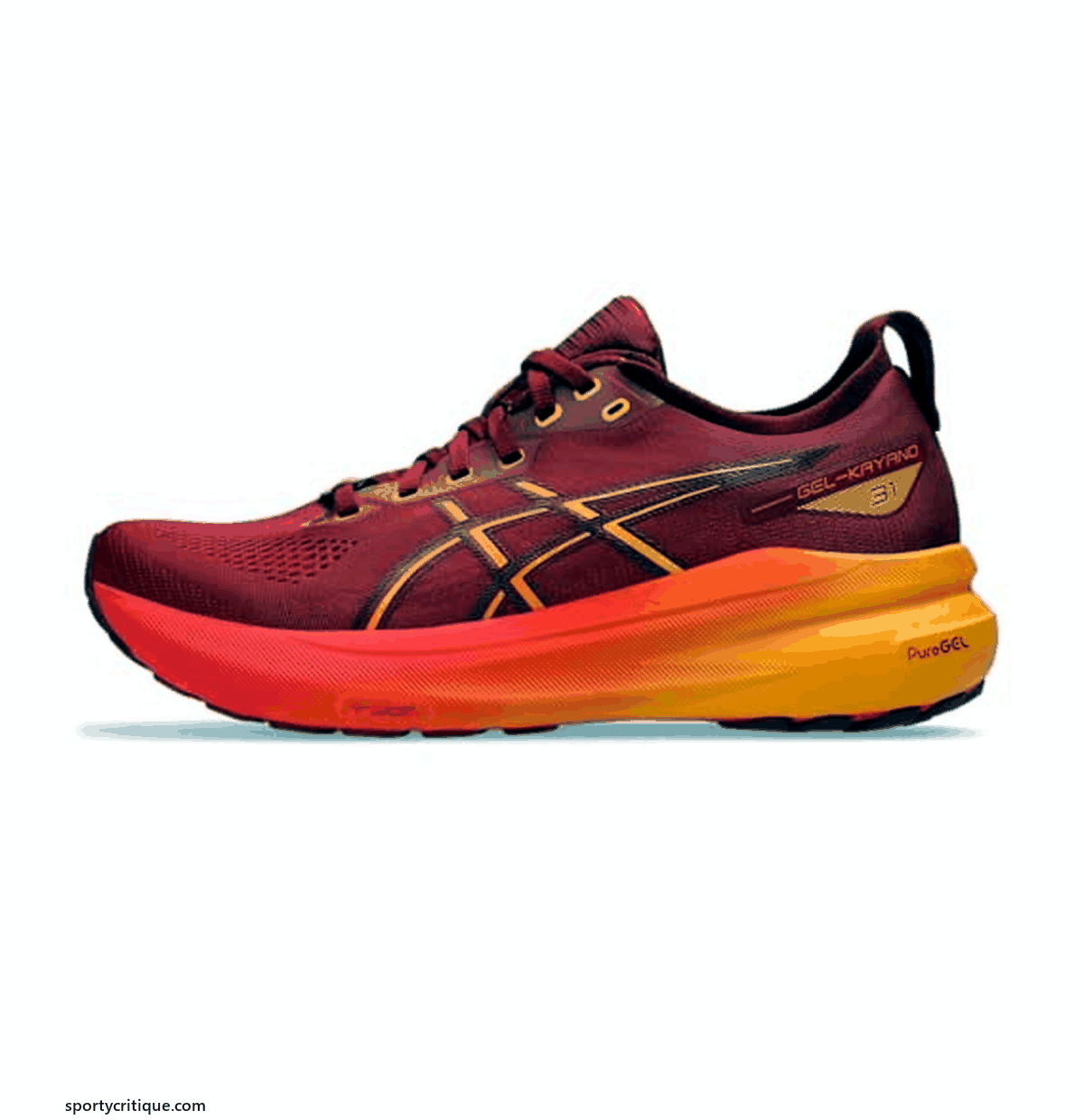
The ASICS Gel-Kayano 31 (Amazon’s API did not return a live price for this listing, common for name-brand athletic shoes under manufacturer pricing policies; check the current price on the listing before buying) is one of the longest-running stability shoe lines in athletic footwear, now on its 31st version, built around a 4D Guidance System in the midsole that adapts to how the foot loads and rolls through each stride. This is the specific mechanism that addresses overpronation directly, rather than just cushioning under a flat arch. It’s the same shoe we mention in our general arch-support guide, but the angle here is different: there, we highlight the cushioning and support combination; here, the 4D Guidance System’s role in controlling inward roll is the reason it earns a spot.
📊 Note: Amazon’s product data feed didn’t return a live price or stock status for this ASIN when we checked, common for current-generation ASICS shoes under manufacturer pricing policies. Check the live listing for today’s price.
Brooks Adrenaline GTS 24
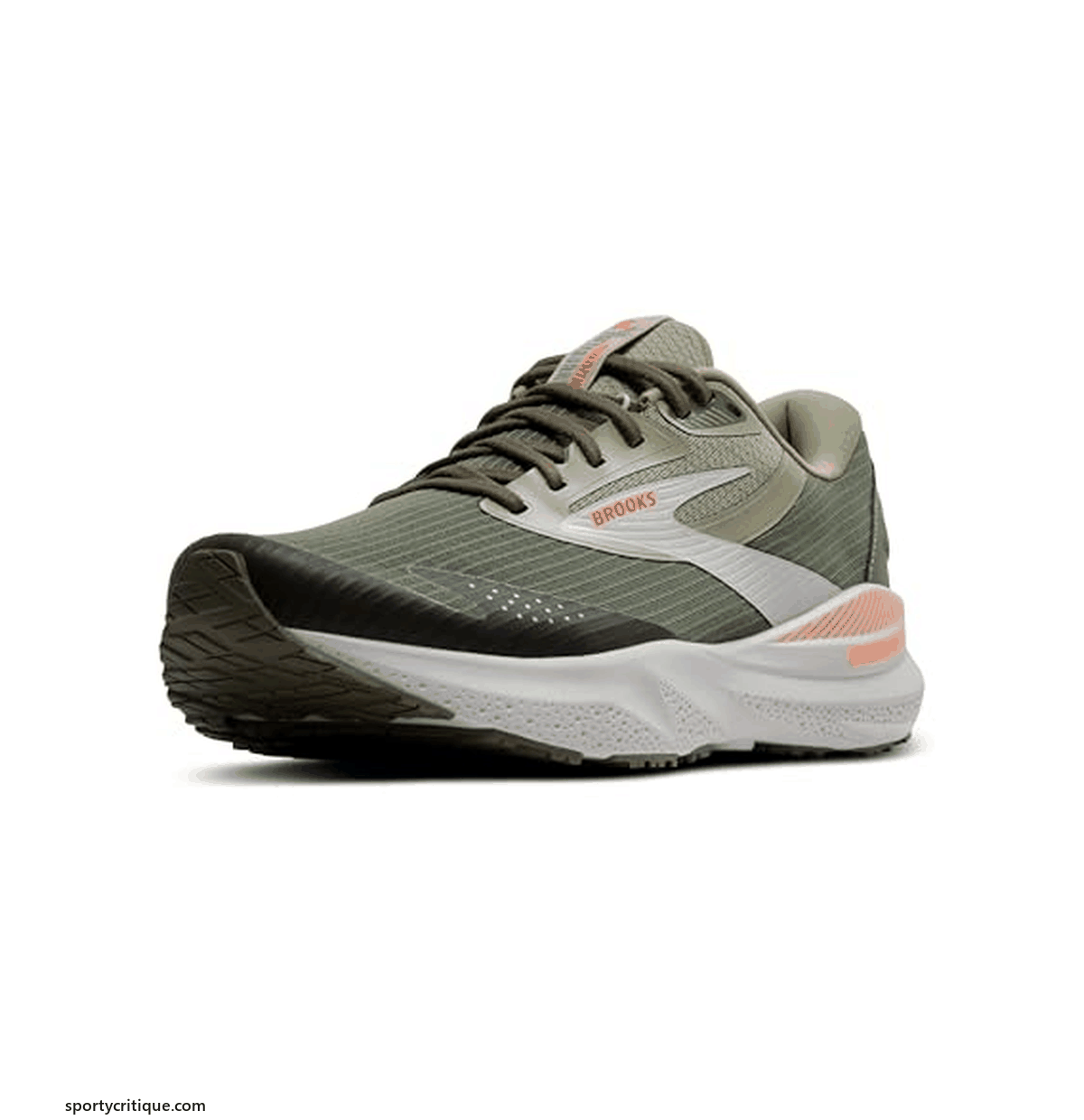
The Brooks Adrenaline GTS 24 (Amazon’s API did not return a live price for this listing, common for name-brand athletic shoes under manufacturer pricing policies; check the current price on the listing before buying) uses Brooks’ GuideRails Holistic Support System, a structural element built into the midsole that only engages when the foot moves outside its normal range, rather than rigidly controlling it the whole time. “GTS” in the name stands for “Go-To Support,” and Brooks has marketed this specific line for overpronation and flat-foot-related support for years, not as a rebrand of a neutral shoe. It’s also certified as a PDAC A5500 diabetic shoe, a detail worth knowing if that certification matters for your own footwear needs.
📊 Note: This ASIN also didn’t return live pricing through Amazon’s product data when checked. The listing and GuideRails feature are real and documented on Brooks’ own product pages; confirm current price on the live listing.
New Balance Fresh Foam X 860 V14

The New Balance Fresh Foam X 860 V14 (Amazon’s API did not return a live price for this listing, common for name-brand athletic shoes under manufacturer pricing policies; check the current price on the listing before buying) replaces the older, firmer medial post design most stability shoes used to rely on with what New Balance calls a Stability Plane, a broader, flatter platform built into the Fresh Foam midsole that resists excess inward roll without a hard, noticeably different-density wedge under the arch. It’s a moderate stability shoe rather than a maximum-control one, positioned for mild-to-moderate overpronation rather than a severe flat-foot collapse.
Saucony Guide 17
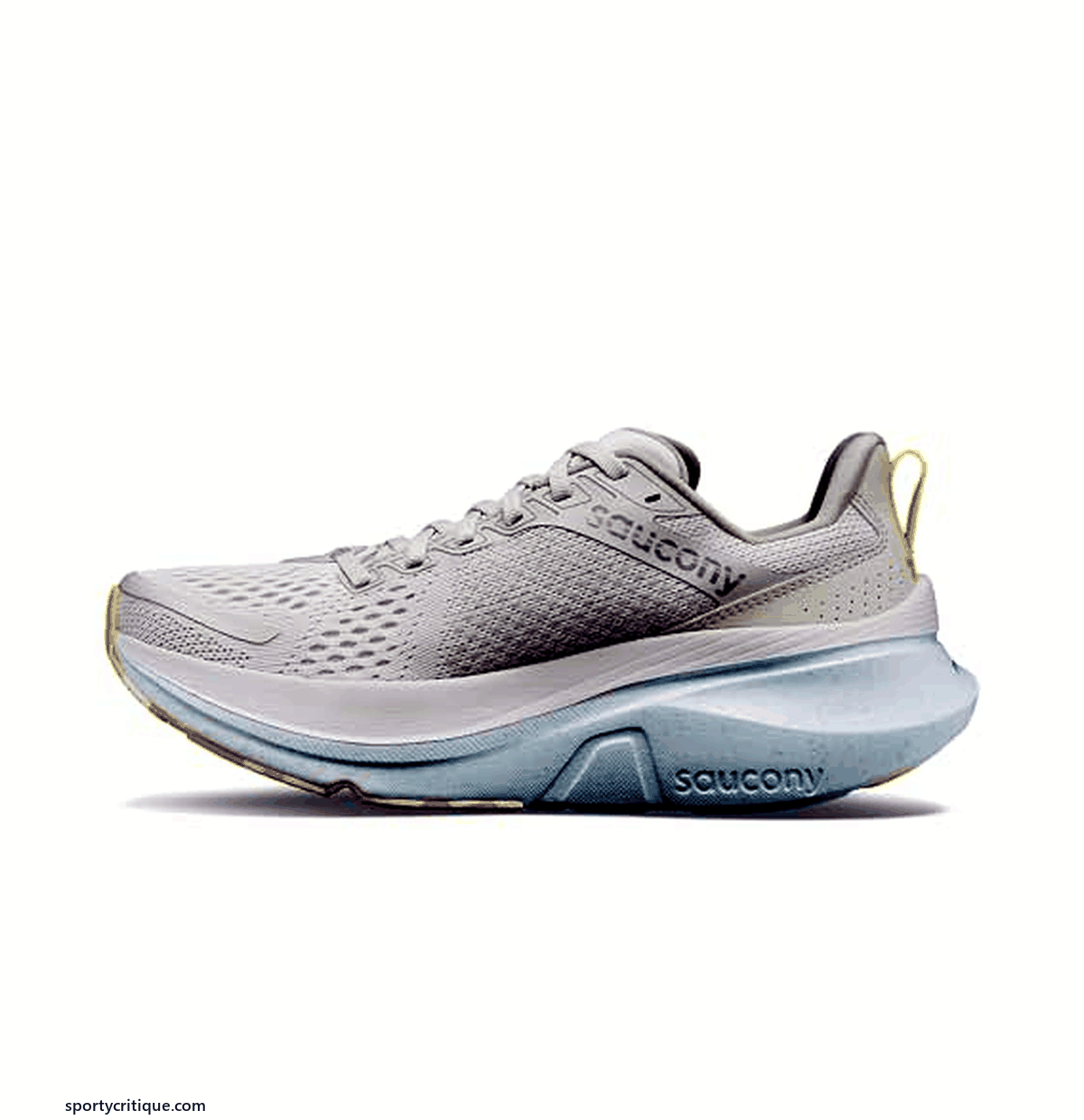
The Saucony Guide 17 (Amazon’s API did not return a live price for this listing, common for name-brand athletic shoes under manufacturer pricing policies; check the current price on the listing before buying) uses Saucony’s CenterPath Technology, a broader platform with higher sidewalls and an asymmetric profile designed to guide the foot through its stride rather than block movement outright. Reviewers who’ve worn stability shoes before have described it as lighter and less bulky-feeling than older-generation motion-control shoes while still providing a real structural guide, which matches how the broader stability-shoe category has moved away from heavy, rigid designs in recent years.
Budget alternative: AOV Arch Support Walking Shoes

The AOV Arch Support Walking Shoes ($53.88, in stock at publish time) is a budget option worth including with a clear caveat: it’s an orthotic arch-support shoe, not a stability shoe with a named motion-control mechanism the way the four shoes above are. For mild flat feet without significant overpronation, a supportive orthotic footbed alone may be enough. For real overpronation, meaningful inward rolling you or a podiatrist can actually observe, this is a lighter-touch option than a true motion-control shoe, not a substitute for one.
How to tell if you actually overpronate
- ✓Check the wear pattern on an old pair of shoes; excess wear along the inside edge of the sole is a classic overpronation sign
- ✓Look at a worn pair from directly behind while wearing them on a flat surface; a noticeable inward lean at the ankle is another sign
- ✓Get a gait analysis at a specialty running store or from a podiatrist if you’re not sure; it’s usually free or low-cost
- ✓Match the shoe’s stated support level (mild, moderate, maximum) to what a gait analysis actually shows, not to how flat your arch looks standing still
- ✕Assume a low or flat-looking arch automatically means you overpronate; some flat-arched feet have a normal gait
- ✕Buy the most aggressive motion-control shoe available without checking whether you actually need that much correction
- ✕Judge overpronation from standing still; it’s a walking and running gait pattern, not a static foot shape
- ✕Ignore a specialty running store’s free gait analysis if one is available near you; it’s more reliable than guessing from arch height alone
Flat feet vs. arch support vs. plantar fasciitis
This is the third guide in our tennis-shoe series to draw this distinction, and it’s worth repeating because the three genuinely call for different shopping priorities. Flat feet, when it’s actually a problem, is about overpronation and needs motion control. General arch support is about cradling the arch shape regardless of gait pattern. Plantar fasciitis is about heel and sole cushioning to reduce tension on the fascia band. A shoe can address more than one, the ASICS Gel-Kayano above does double duty in our arch-support guide too, but they’re not interchangeable shopping lists.
Support levels: mild, moderate, and maximum
💡 Pro tip: If you’ve never worn a stability shoe before, start with a moderate option like the Saucony Guide or Brooks Adrenaline GTS rather than the most aggressive motion-control shoe you can find. Overcorrecting with too much structure can feel just as uncomfortable and unnatural as wearing no support at all, so work up gradually if you’re unsure.
Break-in and long-term wear
Stability shoes take a bit longer to feel normal than a neutral shoe, since you’re actively feeling the midsole resist a motion your foot is used to making unchecked. Give any of the four true stability picks above two to three weeks of regular wear before deciding it doesn’t work. Watch for the support wearing unevenly over time too; stability elements built into the midsole break down eventually just like any foam, typically somewhere in the 300-500 mile range depending on the shoe and your weight and gait, and a stability shoe that’s lost its structure stops correcting overpronation even though it may still look and feel cushioned.
Buying for a kid or teenager with flat feet
Flat feet in children and teens are often a normal part of arch development rather than a lasting problem, and most pediatric guidance doesn’t recommend aggressive motion-control shoes for kids the way it might for an adult with confirmed overpronation. If a child complains of foot, knee, or leg pain that seems tied to how their foot rolls when they walk or run, that’s worth a pediatrician or podiatrist visit before buying a specialized shoe on your own; a general supportive athletic shoe is usually the right starting point rather than jumping straight to an adult-oriented stability model.
When motion-control shoes aren’t enough
If overpronation is severe, or persistent knee, hip, or lower back pain seems connected to it, a stability shoe alone may not be the full fix. A podiatrist or sports medicine specialist can assess whether a custom orthotic, physical therapy, or in some cases a different intervention entirely is warranted alongside, or instead of, an off-the-shelf stability shoe, especially if the pain has been building gradually for months rather than showing up only after one unusually hard session.
Do all flat feet need motion-control shoes?
No. Flat feet only need motion control if they’re causing actual overpronation, an inward roll of the foot during walking or running. Some flat-arched feet have a perfectly normal gait and do fine in a neutral or arch-support shoe instead.
What’s the difference between arch support and motion control?
Arch support cradles or reinforces the arch’s shape. Motion control adds structure to the midsole to resist the foot rolling inward during the gait cycle. A shoe can offer both, but they’re mechanically different features.
How do I know if I actually overpronate?
Check wear patterns on old shoes for excess wear along the inner edge, or get a gait analysis at a specialty running store or from a podiatrist. Standing arch height alone isn’t a reliable indicator.
Why don’t some listings here show a price?
Amazon’s product data feed doesn’t return live pricing for every ASIN, especially current-generation shoes from brands with manufacturer minimum-advertised-price policies. The products and features described are still real and verified; check the live listing for today’s price.
As an Amazon Associate, we earn from qualifying purchases through links on this page.