How to String a Lacrosse Head With Mesh: Hard Mesh vs. Soft Mesh

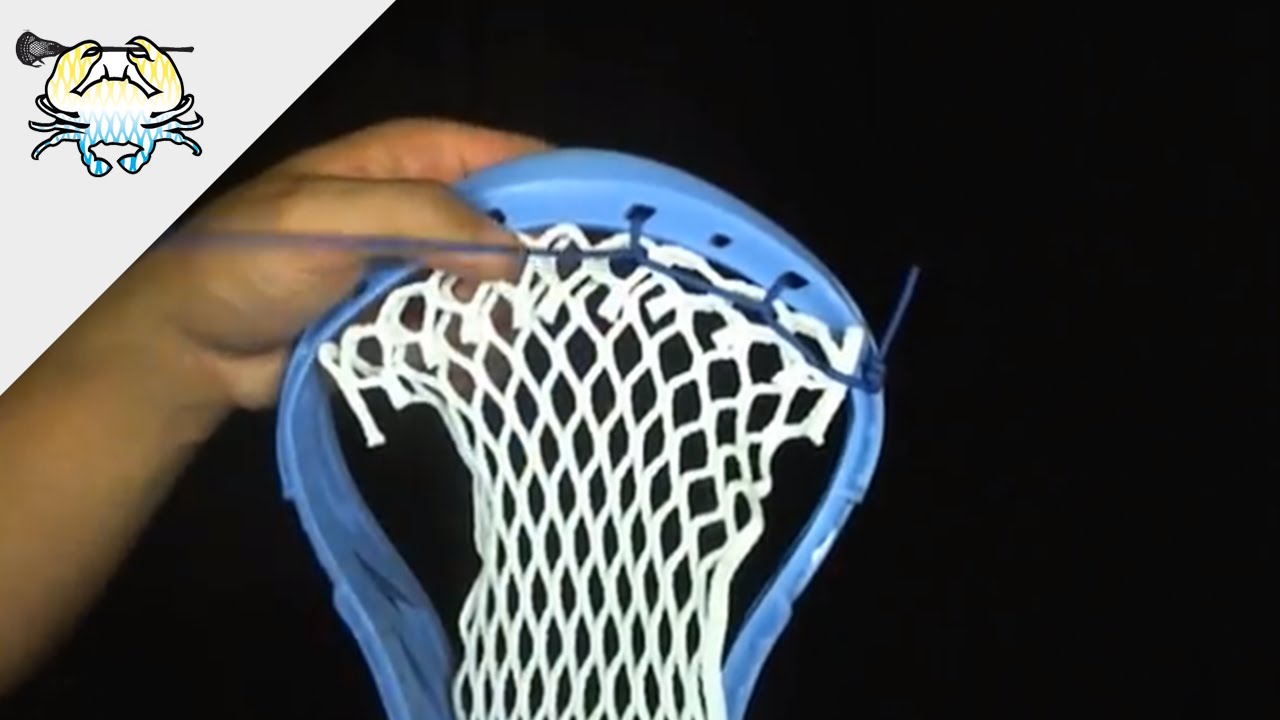
Hard mesh and soft mesh use the same basic stringing pattern, top string, sidewalls, bottom string, shooting strings, but they behave completely differently once installed. Soft mesh is playable the moment you finish stringing it and gives excellent ball control, but it bags out in the rain. Hard mesh needs a soak and a break-in session before it feels right, but it holds its shape far longer in wet weather. This guide focuses on choosing between the two and the technique differences that come with each, not the full step-by-step build, which is covered separately in stringing a brand-new lacrosse head from scratch.
Mesh is the pocket material on the overwhelming majority of lacrosse sticks played today, on both the men’s and women’s sides. But “mesh” is not one material. Hard mesh and soft mesh are stiff enough apart in feel, durability, and how you actually string them, that picking the wrong one for your position or your climate is a common reason a new pocket never quite feels right, no matter how carefully it was tied.
If you have not yet strung a head and want the full component-by-component walkthrough, start with stringing a brand-new lacrosse head from scratch and come back here when you are deciding which mesh to buy. This article assumes you already know the basic pattern and focuses specifically on what changes between hard and soft mesh, and how to install each one correctly.
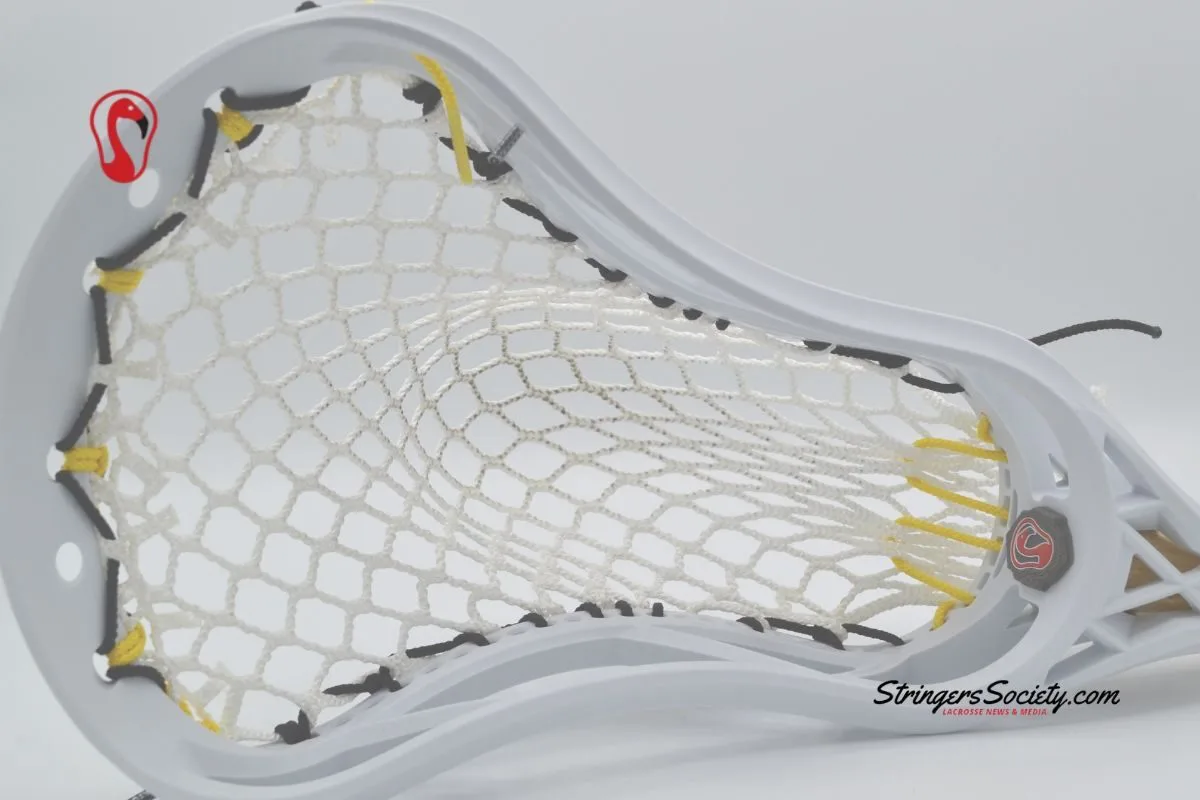
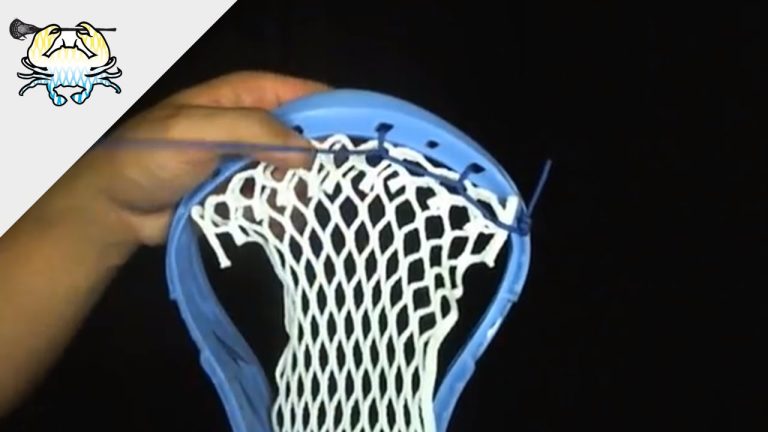
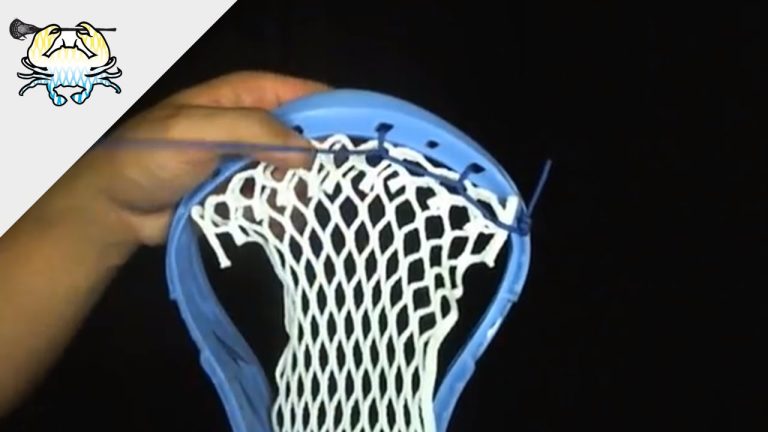
Credit: stringerssociety.com
Table of Contents
What Actually Separates Hard Mesh From Soft Mesh
The difference is in how the fibers are treated during manufacturing. Soft mesh uses a looser weave with little to no stiffening coating, so it is flexible right out of the package. Hard mesh is treated with a coating that stiffens the fibers, which is what gives it the longer break-in period but also what makes it hold its diamond shape far more consistently once it has settled in.
Stringing Hard Mesh: The Soak-and-Break-In Method
Hard mesh is genuinely stiffer to work with straight out of the package, which makes the initial stringing itself a bit more physically demanding, pulling knots tight against a material that does not want to bend takes more grip strength than soft mesh does. The bigger difference comes after you finish tying it off.
Soak the freshly strung pocket in warm water for five to ten minutes. Not hot water, since heat can warp the coating and permanently distort the mesh’s shape. While it is still damp, play catch or throw against a wall. The water temporarily softens the coating, and the repeated flexing while damp is what actually shapes the pocket into its final form. Let it dry fully before your next session, then repeat a light catch session or two if the pocket still feels stiff.
💡 Pro tip: Do the soak-and-throw break-in over two or three separate short sessions rather than one long one. The mesh needs time to dry and set between sessions for the shape to hold.
⚠️ Watch out: Never use hot water on hard mesh to speed up the break-in. It can warp the coating permanently and leave you with an uneven pocket no amount of restringing will fully fix.
Stringing Soft Mesh: No Soak, No Wait
Soft mesh skips the soak step entirely. Straight out of the package, gently stretch it by hand in a few directions to work out the creases left from folding and packaging, then string it using the same top string, sidewall, bottom string, and shooting string sequence as any other mesh pocket. Because the fibers are already flexible, it holds its final shape as soon as the knots are tied, no break-in throws required before you can trust the pocket.
The tradeoff shows up later, not during stringing. Soft mesh’s flexibility is exactly what makes it bag out in wet weather. Rain works into the loose weave and the pocket sags deeper than intended, sometimes deep enough to fail a legal check mid-game. If you play in a wet climate or expect rain regularly, that is worth weighing before you buy. troubleshooting a lacrosse pocket that will not release or fails the legal check covers what to do if a pocket has already bagged out and needs correcting.
A Note on Waxed and Semi-Hard Mesh
Manufacturers also sell waxed mesh and semi-hard or semi-soft mesh as middle options between the two extremes above. Waxed mesh adds a water-resistant coating on top of a soft or semi-soft base, aiming to get soft mesh’s ball control without soft mesh’s rain problem. Semi-hard mesh strings and breaks in similarly to hard mesh but slightly faster, aimed at players who want more shape retention than soft mesh but do not want a long break-in. Neither changes the underlying stringing pattern, they mainly shift where on the hard-to-soft spectrum your break-in routine and rain performance land.
Setting the Channel the Same Way, Regardless of Mesh Type
One thing that does not change between hard and soft mesh is the channel, the tight strip along the first couple of diamonds on the top string and each sidewall that keeps the ball rolling straight instead of drifting sideways during a release. Pull those diamonds down firmly against the head whether you are working with hard or soft mesh. Soft mesh will hold that tension the moment you tie it off. Hard mesh will loosen slightly during the soak and break-in, so recheck the channel tension after your first throwing session and retighten if needed.
Which Mesh Fits Which Position
Attackers and midfielders who prioritize a quick, feel-based release often lean toward soft mesh, since the immediate ball control and lack of break-in outweighs the rain tradeoff for many of them, especially in drier climates or indoor box lacrosse. Defenders and goalies, who care more about a pocket that behaves the same way in the fourth quarter of a rainy game as it did in the first, more often choose hard mesh or a waxed variant despite the longer setup time. Goalies in particular tend toward hard or semi-hard mesh, since a save that changes shape mid-game from a wet pocket is a much bigger liability at that position than it is for a field player looking for a quick release. None of this is a hard rule though. Plenty of attackers play hard mesh year-round for the shape retention alone, and plenty of defenders in dry climates never touch anything but soft mesh. Try both if you can before committing to one for a full season.
- ✓Soak hard mesh in warm water, not hot, before its first throwing session
- ✓Give hard mesh two or three short break-in sessions rather than one long one
- ✓Gently hand-stretch soft mesh to remove packaging creases before stringing
- ✓Recheck channel tension on hard mesh after it finishes breaking in
- ✕Use hot water on hard mesh to try to speed up the break-in
- ✕Expect soft mesh to hold its shape the same way in heavy rain
- ✕Assume waxed mesh strings differently from a regular soft or semi-hard piece
- ✕Skip stretching soft mesh by hand and string it straight from the folded package
Diamond Count and Why It Matters for Mesh Choice
Mesh pieces are also sold by diamond count, most commonly six-diamond and ten- or twelve-diamond versions. A six-diamond mesh has fewer, larger diamonds and is the standard choice for field players on both hard and soft mesh. Ten- and twelve-diamond mesh packs smaller diamonds closer together, which is why it shows up almost exclusively on goalie heads, since the tighter weave gives a bigger, more forgiving catching surface for saves.
The diamond count is a separate decision from hard versus soft. You can buy six-diamond mesh in either hardness, and the stringing pattern described above works the same way regardless of how many diamonds are in a row. Just confirm the mesh piece you bought matches your head’s hole spacing before you start, since a mismatched diamond count makes even a correctly tied knot sit at the wrong angle.
Common Mesh-Specific Mistakes
A few problems show up specifically because of which mesh type someone chose, separate from general stringing errors. Skipping the soak on hard mesh and expecting it to feel broken in immediately is the most frequent one, players string it, throw a few passes, decide it feels stiff and wrong, and re-string the whole head when the mesh just needed its proper break-in routine. On the soft mesh side, the common mistake is stringing it during a practice on a wet field and being surprised when the pocket sags within the first week, when the material was simply doing what soft mesh does in moisture.
Mixing a hard mesh top string with soft mesh sidewalls, or vice versa, is another one to avoid. It is possible, and some experienced stringers do it deliberately for specific feel combinations, but for a standard build it just adds inconsistent tension behavior across the pocket that is hard to diagnose later. Stick with one mesh type for the whole pocket on a first build.
Related Guides
Frequently Asked Questions
Is hard mesh or soft mesh better for beginners?
Soft mesh is usually easier for a first pocket since there is no soak-and-break-in step to get wrong, and the immediate ball control makes early mistakes more forgiving.
How long does hard mesh take to break in?
Most players need two to three short sessions of soaking and throwing, spread over a few days, before a hard mesh pocket settles into its final feel.
Can I switch from soft mesh to hard mesh without buying a new head?
Yes. The head itself does not care which mesh type is strung to it. You can cut out the old mesh and restring with a different type any time.
Does waxed mesh need the same soak as hard mesh?
Usually not, since waxed mesh is typically built on a soft or semi-soft base. Check the specific product, but most waxed mesh strings like soft mesh with no soak required.
Why does my soft mesh pocket feel deeper after it rains?
Soft mesh’s loose weave absorbs water and sags, which is exactly the bagging-out problem that makes it less ideal for wet climates. troubleshooting a lacrosse pocket that will not release or fails the legal check covers how to correct a pocket that has bagged out.
- →Hard mesh needs a warm-water soak and a break-in session; soft mesh is playable immediately.
- →Soft mesh gives better immediate ball control; hard mesh holds its shape far better in rain.
- →Never use hot water to break in hard mesh, it can permanently warp the coating.
- →Waxed and semi-hard mesh are middle options that shift the break-in and rain tradeoffs, not the stringing pattern.
- →The channel-tightening technique on the top string and sidewalls is identical regardless of mesh type.
- →Full stringing walkthrough from a bare head: stringing a brand-new lacrosse head from scratch
- →Traditional leather and nylon stringing instead of mesh: stringing a traditional leather and nylon pocket
- →Adjusting pocket depth and shooting strings after stringing: adjusting pocket depth and shooting strings
- →Fixing a release or depth problem: troubleshooting a lacrosse pocket that will not release or fails the legal check