Lacrosse Pocket Depth and Shooting String Tuning: How to Adjust an Already-Strung Head

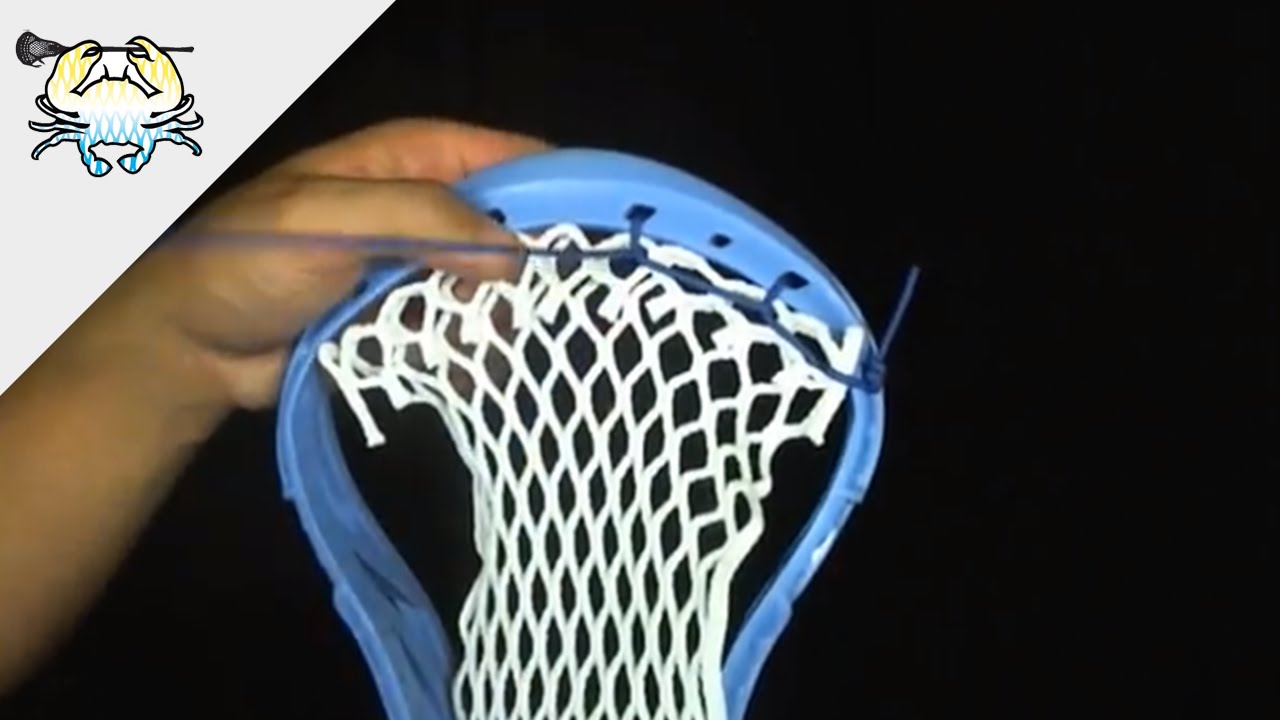
Tuning an already-strung lacrosse pocket means adjusting the bottom string and sidewalls to change depth, and repositioning or re-tensioning shooting strings to change release and whip, without cutting the whole pocket out and starting over. A legal pocket lets the top of the ball stay visible above the sidewall when the stick is held flat, and lets the ball roll out freely when the stick is tilted forward. This guide covers adjusting a head that is already strung. If you have not strung the head yet, start with stringing a brand-new lacrosse head from scratch.
Most players do not get their pocket exactly right on the first attempt, and even a pocket that was right when it was strung drifts over weeks of play as the mesh or leather settles. Tuning is the skill of reading what a pocket is doing wrong for your position and playing style, then making a specific, targeted adjustment instead of restringing the entire head.
This is a maintenance and fine-tuning topic, distinct from the initial build covered in stringing a brand-new lacrosse head from scratch and distinct from diagnosing an active problem covered in troubleshooting a lacrosse pocket that will not release or fails the legal check. Tuning assumes the pocket is basically sound and legal, you are simply dialing it in for how you actually want the stick to play.

Credit: www.youtube.com
Table of Contents
The Two Legal Tests You Should Run First
Before tuning for feel, confirm the pocket is inside the rules, since a deeper pocket that feels great in warmups can get you flagged in a game.
⚠️ Watch out: Both tests matter. A pocket can pass the visibility test while resting flat and still be illegal if the ball does not roll out freely when the stick is tilted, officials check for both.
Adjusting Pocket Depth
Depth is controlled mainly through the bottom string and the lower portion of the sidewalls. Loosening the bottom string lets the mesh sag further, creating a deeper pocket that holds the ball longer and gives more control under contact, which is why many defenders and close-defense middies tune toward this end of the range. Tightening the bottom string pulls the mesh flatter and shallower, producing a faster release that many attackers and feeders prefer.
Make small adjustments and retest rather than one large change. Loosen or tighten the bottom string a small amount, run both legal tests again, and check the release feel with a few throws before deciding whether to adjust further. The lower few diamonds on each sidewall can be adjusted the same way for a more localized depth change without touching the bottom string at all.
💡 Pro tip: If you only remember one adjustment point, remember the bottom string. It is the fastest, most reversible way to change depth without disturbing the channel you set with the top string and upper sidewalls.
Tuning by Position
Tuning Shooting Strings
Shooting strings must stay within the top four inches of the head from the scoop under NCAA and NFHS rules, which limits where you can move them but still leaves real room to change how the stick releases the ball. Tension is the main lever: shooting strings that are tighter closer to the scoop and looser closer to the ball, the standard loose-to-tight order from bottom to top, produce a flatter, more predictable release. Reversing that order or tightening the lowest shooting string too much tends to increase whip, the tendency of the stick to throw the ball down instead of on a flat line.
Repositioning a shooting string by even half an inch, still within the legal four-inch zone, can noticeably change feel. Moving shooters closer together tightens the release window; spreading them further apart within the allowed zone loosens it. If you already have too much whip after tightening a shooter, troubleshooting a lacrosse pocket that will not release or fails the legal check covers the specific fix, which usually starts with loosening or repositioning the shooting string closest to the ball rather than the ones near the scoop.
Testing an Adjustment Before You Commit
After any depth or shooting-string change, throw at least ten to fifteen passes before deciding whether the adjustment worked. A single throw is not enough information, since grip, arm angle, and even the specific pass you are attempting all affect how a stick feels on any one repetition. Look for consistency across multiple throws rather than judging off the best or worst one.
- ✓Run both the ball visibility test and the roll-out test after every depth change
- ✓Adjust the bottom string in small increments and retest before adjusting further
- ✓Keep shooting strings looser near the ball and tighter near the scoop
- ✓Throw at least ten to fifteen passes before judging whether an adjustment worked
- ✕Assume passing one legal test means the pocket passes both
- ✕Make a large depth change in one step without testing in between
- ✕Tighten the shooting string closest to the ball more than the ones above it
- ✕Judge a new adjustment off a single throw
Tuning After a Mesh or Weather Change
Depth and release feel do not just drift from ordinary wear, they can shift noticeably after a specific event too. Playing a game in the rain with a soft mesh pocket, then tuning the same day, is a common mistake, since the mesh is temporarily stretched from moisture and will pull back tighter once it dries out fully. Wait until the pocket has had a full day to dry before making a permanent adjustment based on how it felt in wet conditions.
Swapping mesh type on the same head, moving from soft mesh to hard mesh for example, also resets your tuning baseline. Do not assume the bottom-string tension that worked on your old soft mesh pocket will produce the same depth on hard mesh strung the same way. Retest both legal checks and re-tune from a small starting adjustment rather than copying settings across different mesh types.
How Often Should You Re-Tune
A pocket you are happy with is not a pocket you can forget about. Mesh and leather both stretch gradually with repeated use, and a pocket that was legal and felt right in week one can quietly drift deeper by week six. Check both legal tests at least once a month during an active season, and any time the stick starts feeling noticeably different without an obvious cause. Retensioning the bottom string slightly is usually enough to correct normal drift, full restringing is rarely needed just from ordinary stretch. Set a reminder if you tend to forget, since a pocket that has drifted illegal without you noticing is far more likely to get flagged in a game than one you are actively checking on a routine schedule.
Tuning Tools Worth Keeping on Hand
📊 Note: Keeping a simple log of what you changed and when is more useful than it sounds. If a pocket starts feeling off two weeks after a tuning session, having a record of exactly what was adjusted saves you from re-diagnosing the whole stick from scratch.
Common Tuning Mistakes
Over-adjusting is the most frequent mistake. Someone notices a pocket is a little deep, tightens the bottom string aggressively in one motion, and ends up with a pocket that is now too shallow and releases the ball early. Small, incremental changes with a re-test in between avoid this almost entirely.
Adjusting shooting strings and pocket depth in the same session without testing between the two changes is another common error. If both are changed at once and the release still feels wrong afterward, there is no way to tell which change caused the problem. Change one variable, throw enough passes to judge it fairly, and only then move to the next adjustment.
Finally, tuning to someone else’s preference rather than your own is a subtle mistake that shows up a lot with less experienced players borrowing a teammate’s settings. A pocket depth and shooting-string setup that works well for a teammate at a different position, with a different grip and release, will not necessarily suit you. Use position-based starting points as a reference, not a rule, and adjust from there based on how the stick actually feels in your own hands.
Related Guides
Frequently Asked Questions
How do I know if my pocket is too deep?
Hold the stick flat with the ball in the pocket. If the top of the ball is not visible above the sidewall, the pocket is too deep and needs the bottom string or lower sidewalls tightened.
Can I change pocket depth without restringing anything?
Yes, in most cases. Loosening or tightening the bottom string and the lowest few sidewall diamonds is usually enough to shift depth without touching the rest of the pocket.
Why does my stick feel different after a few weeks of use?
Mesh and leather both stretch gradually with repeated catching and throwing. Recheck the legal tests periodically and retighten the bottom string if the pocket has drifted deeper than you want.
Does shooting string position matter more than tension?
Both matter, but tension is usually the faster fix for a specific problem like too much whip. Position within the legal four-inch zone matters more for shaping the overall release window.
How many shooting strings should I use?
Two is a common default that balances hold and release speed. Three can add more control for players who want it, but also adds more variables to tune if the release feels off.
- →Run both the ball visibility test and the roll-out test, passing one does not guarantee the other.
- →The bottom string is the fastest, most reversible way to adjust pocket depth.
- →Shooting strings should generally be tighter near the scoop and looser near the ball.
- →Make small adjustments and test with multiple throws rather than judging off one pass.
- →Recheck legal depth at least monthly, mesh and leather both stretch gradually with use.
- →Full stringing walkthrough from a bare head: stringing a brand-new lacrosse head from scratch
- →Comparing hard mesh against soft mesh: stringing a mesh pocket, hard mesh versus soft mesh
- →Traditional leather and nylon stringing: stringing a traditional leather and nylon pocket
- →Fixing a specific release, whip, or legal-depth problem: troubleshooting a lacrosse pocket that will not release or fails the legal check