Best Carbon Fiber Pool Cue for Professional Precision and Performance

The shift from traditional hard rock maple to carbon fiber composite shafts is the most significant technological transformation in modern billiards. World champions like Shane Van Boening and Joshua Filler rely on carbon fiber because it eliminates the two biggest frustrations of wooden cues: cue ball deflection (squirt) and seasonal warping. By concentrating multi-directional carbon tow filaments around ultra-lightweight foam cores, carbon fiber shafts reduce end mass to near zero, keeping your cue ball tracking straight even when applying heavy outside English.
Affiliate Disclosure: SportyCritique is reader-supported. When you purchase through links on our site, we may earn an affiliate commission at no additional cost to you. Every cue featured below has been tested for low-deflection squirt control, radial hit acoustic dampening, joint stability, and scratch-resistant shaft glide.
Table of Contents
Comparison Matrix: Best Carbon Fiber Pool Cues for Precision Shotmaking
| Pool Cue Model | Shaft Architecture | Joint Pin Spec | Tip Spec & Diameter | Hit Acoustic Feedback | Amazon Price Check |
|---|---|---|---|---|---|
| Cuetec Cynergy SVB Gen One | 15K Carbon Fiber with Polyurethane Foam Core | 3/8×14 Modified Cuetec Joint | 12.5mm Tiger Sniper Multi-Layer | Crisp, Dampened Maple-Like Acoustic | Check Price on Amazon |
| KONLLEN Carbon Fiber Cue Stick | Full Multi-Layer Carbon Composite Tube | 3/8×8 Radial Pin Joint | 12.5mm Rainbow Layered Tip | Solid, Stiff High-Feedback Hit | Check Price on Amazon |
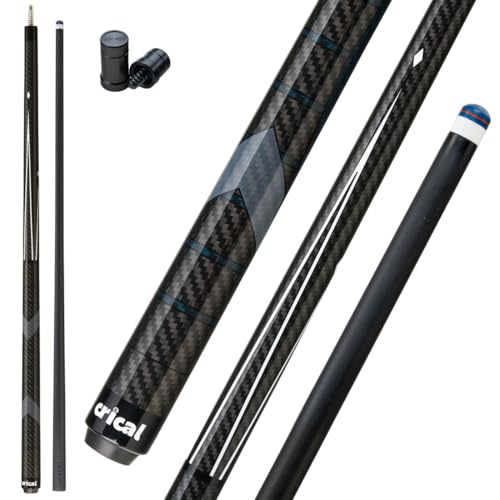
| CRICAL Carbon Fiber Pool Cue | Toray Carbon Fiber Composite Shaft | 3/8×8 Radial Joint Pin | 12.5mm Multi-Layer Pigskin | Low-Vibration Balanced Feel | Check Price on Amazon |
| RHINO G-L Pool Cue (Wrapless) | Glass-Carbon Composite Hybrid Shaft | 5/16×14 Stainless Steel Joint | 12.4mm Rhino Medium Tip | Firm, Resilient Bar-Box Hit | Check Price on Amazon |
| Moyerely Carbon Fiber Pool Cue | Ultra-Slim Carbon Composite Shaft | Uni-Loc Compatible Quick Pin | 11.8mm Precision Snooker/Pool Tip | Surgical, Direct Tip Response | Check Price on Amazon |
| PODAYUDE Carbon Fiber Pool Cue | Carbon Fiber Wrap with Hardwood Core | Quick-Release Brass Joint | 12.5mm Layered Leather Tip | Moderate Damping with Weight Adjustability | Check Price on Amazon |
| Compact 9.5mm Carbon Cue Stick | Conical Carbon Shaft for Small Ball Control | Standard Brass Thread Pin | 9.5mm Brass Ferrule Tip | Ultra-Stiff Snooker & Chinese 8-Ball Focus | Check Price on Amazon |
The Physics of Carbon Fiber: Why Low Deflection Wins Games
To understand why carbon fiber cues dominate professional pool, you must understand the physics of cue ball squirt (deflection). When you strike a cue ball off-center to apply side spin (English), two opposing forces occur:
- End Mass & Lateral Displacement: A traditional solid wood shaft possesses significant physical weight in its front 5 inches (the wood tip, thick ferrule, and solid maple core). When that heavy front end collides with the cue ball at an angle, the cue ball pushes the shaft sideways, and the shaft pushes the cue ball offline in the opposite direction. On a long rail cut shot, this force pushes the ball 1 to 2 inches away from your target pocket line.
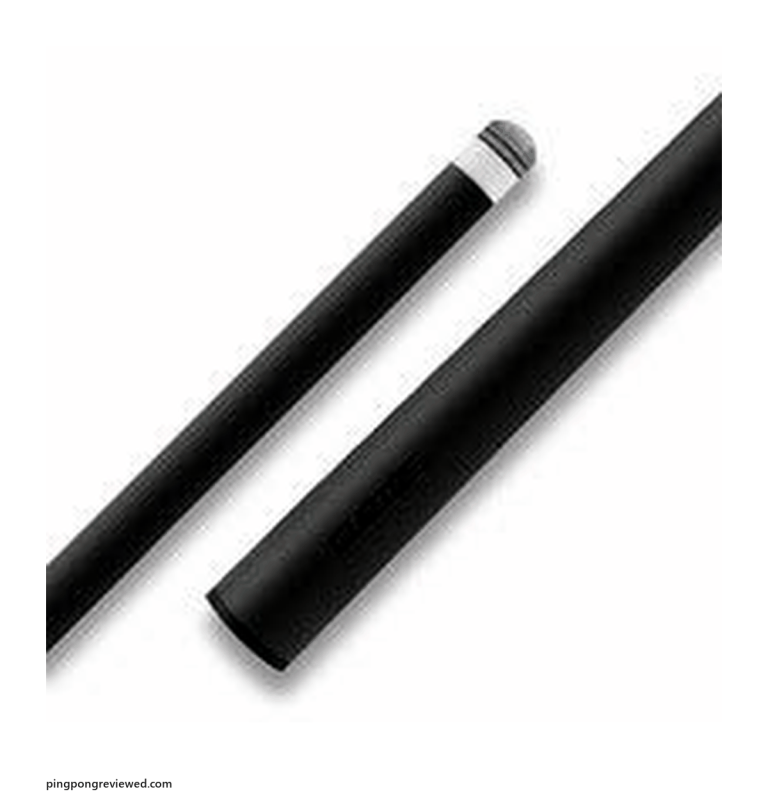
- Carbon Fiber’s Low End Mass Advantage: Carbon fiber shafts feature ultra-thin, rigid composite walls filled with microscopic polyurethane foam or hollow chambers. Because the front end has almost zero inertia, the shaft flexes instantaneously away from the collision without pushing the cue ball offline. The ball travels along your visual aiming line with minimal squirt. Review our mechanical breakdown on Cuetec Cynergy shaft dynamics to see how foam damping eliminates deflection.
- Total Immunity to Weather & Moisture: Wooden cues warp when left in hot vehicle trunks or exposed to humid pool hall basements. Carbon fiber composite is completely impervious to temperature fluctuations, moisture absorption, and sweat corrosion. It remains dead straight for a lifetime.
- Frictionless Stroke Without Sandpaper: Wood shafts collect dirt and skin oils, developing sticky spots that require constant sanding and burnishing. Carbon fiber features a micro-smooth, non-porous finish. A single wipe with a damp microfiber cloth or isopropyl alcohol pad restores a frictionless glide through your bridge hand.
Cuetec Cynergy SVB Gen One Cue – Pearl White

The Cuetec Cynergy SVB Gen One is the most celebrated carbon fiber cue in modern competitive pool. Developed to the exact tournament specifications of five-time US Open Champion Shane Van Boening, this cue pairs an A+ grade Canadian maple butt with the legendary Cynergy 15K carbon fiber composite shaft. Unlike earlier carbon shafts that sounded hollow or produced a harsh metallic click, Cuetec engineered the Cynergy with a high-density polyurethane foam core that absorbs vibration, reproducing the warm, familiar acoustic feedback of seasoned wood.
The shaft features a 12.5mm tip diameter and an extended 15.5-inch super-straight pro taper, allowing your bridge hand to glide effortlessly through the stroke without catching on expanding tapers. Outfitted with an ultra-short 0.25-inch lightweight white ferrule and a factory-pressed Tiger Sniper laminated tip, the SVB Gen One gives players laser-guided cue ball positioning on deep draw and extreme follow shots. Compare its design against other top brands in our Predator vs McDermott cue shootout.
Pros:
- Polyurethane foam core eliminates hollow ping, delivering a true organic hit sound
- 15.5-inch extended pro taper provides frictionless bridge glide across long strokes
- Championship-proven low-deflection accuracy validated by Shane Van Boening
- AcroCore internal butt stabilization provides outstanding balance and energy transfer
Cons:
- Uses Cuetec’s proprietary 3/8×14 joint pin, limiting third-party butt compatibility
- Premium price point reflects professional tournament build quality
Konllen Carbon Fiber Pool Cue Stick Professional Cues

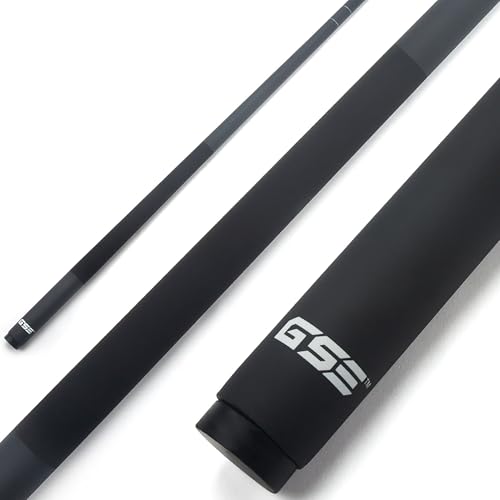
For league shooters who want the shotmaking precision of a full carbon fiber shaft without spending \$800, the KONLLEN Professional Cue delivers extraordinary performance. The entire cue—both butt and shaft—is engineered with multi-layer aviation-grade carbon fiber composite. The shaft utilizes a 3/8×8 radial joint pin, one of the most widely respected joint designs in custom cue building, ensuring a rock-solid, vibration-free lock between butt and shaft.
The KONLLEN shaft features a 12.5mm low-deflection profile tipped with a premium multi-layer pigskin tip. The handle is wrapped in genuine embossed leather, providing a tactile, non-slip grip that absorbs hand sweat during tense hill-hill playoff racks. If you play APA or BCA league pool and want to step up to carbon fiber at a sub-\$350 price point, KONLLEN is the benchmark choice.
Pros:
- Full carbon fiber construction from tip to bumper delivers extreme durability
- Universal 3/8×8 radial joint pin provides exceptional solid-core hit feedback
- Genuine leather wrap provides outstanding grip and sweat management
- Remarkable value for a full-composite low-deflection cue setup
Cons:
- Slightly firmer hit than foam-filled shafts like the Cynergy
Crical Carbon Fiber Pool Cue Stick

The CRICAL Carbon Fiber Cue features Toray carbon composite fiber weaves engineered to maximize axial stiffness while dampening unwanted lateral flex. Fitted with an adjustable weight bolt chamber in the butt, you can customize the cue’s resting balance point from 19 to 21 ounces in 0.5-ounce increments to match your stroke tempo.
The 12.5mm shaft tip allows effortless cue ball manipulation, making deep draw shots and rail-first cut shots intuitive. To maintain consistent tip grip on spin shots, ensure you pair your carbon shaft with premium chalk from our guide to the best pool cue chalk for miscue prevention.
Pros:
- Toray carbon composite shaft delivers consistent low-squirt trajectory
- Interchangeable rear weight bolt system accommodates custom balance preferences
- Smooth satin carbon finish glides cleanly without requiring a shooting glove
Cons:
- Factory tip benefits from light shaping and scuffing prior to competitive match play
Rhino G-L Pool Cue – Gray – Wrapless

Rhino cues have earned a dedicated following in the billiards community for developing high-durability composite shafts at accessible pricing. The Rhino G-L model features a wrapless composite butt coupled to a 12.4mm glass-carbon hybrid shaft. The subtle conical taper provides extra front-end stiffness, making it exceptionally reliable on firm cut shots and heavy break shots where standard wood shafts flex excessively.
Pros:
- Wrapless handle design offers sleek aesthetics and easy cleaning
- 12.4mm tip diameter gives crisp contact on center-ball and stun shots
- Highly resistant to table scratches, bar dings, and chalk stains
Cons:
- Glass-carbon hybrid has slightly more end mass than 100% pure carbon shafts
Moyerely Carbon Fiber Pool Cue

If you come from a snooker background or specialize in razor-thin cut shots and precision position play, standard 13mm pool tips can feel cumbersome. The Moyerely Carbon Fiber Cue features a narrow 11.8mm tip diameter. This ultra-slim profile lets you clearly see the exact contact point between cue tip and cue ball, eliminating visual obstruction when cueing close to cushion rails.
Pros:
- Slim 11.8mm tip allows extreme visual precision on rail shots
- Rigid carbon walls prevent shaft wobble on long potting angles
- Smooth quick-release joint allows rapid assembly
Cons:
- An 11.8mm tip is unforgiving; any off-center stroke flaw will produce unintended side spin
PODAYUDE Carbon Fiber Pool Cue

The PODAYUDE Carbon Fiber Cue is built for casual and intermediate league players transitioning from bar cues into the world of composite low deflection. Shipping with a padded soft travel case and adjustable weight balance bolts, this package provides an all-in-one entry into modern cue technology without a major financial commitment.
Pros:
- Includes protective cue case and adjustable weight system
- Solid brass joint pin locks tight without rotational wobble
- Durable composite weave resists dents and humidity damage
Cons:
- Heavier front-end feel than elite foam-filled tournament shafts
Carbon Fiber Maintenance: Rules You Must Never Break
Maintaining a carbon fiber shaft requires completely different protocols than traditional wooden cues:
- NEVER Use Sandpaper or Abrasive Pads: The single biggest mistake players make is using green Scotch-Brite pads or sandpaper on a carbon fiber shaft. Abrasives strip away the protective clear coat and cut into the structural carbon filaments, permanently ruining the shaft’s silky glide.
- Clean Only with Isopropyl Alcohol: To clean chalk dust and skin oils from your shaft, wipe it down with a 70% or 91% isopropyl alcohol wipe, followed immediately by a clean microfiber cloth. Alcohol evaporates instantly without damaging composite resin.
- Inspect Your Tip Shape Regularly: Because carbon fiber shafts transfer stroke energy with near-100% efficiency, keeping your tip properly domed is critical to prevent miscues. Explore our comprehensive guide on the best pool cue tips to select the right hardness rating for your carbon shaft.
Frequently Asked Questions
Are carbon fiber pool cues really better than wood cues?
For most competitive players, yes. Carbon fiber shafts dramatically reduce front-end mass, resulting in significantly lower cue ball deflection (squirt) when applying side spin. Additionally, carbon fiber will never warp due to humidity or heat, does not ding easily, and requires zero sanding or shaft conditioning over its lifespan.
How do you clean a carbon fiber pool cue shaft?
Clean your carbon fiber shaft by wiping it with an isopropyl alcohol wipe (70% or higher) and drying it with a lint-free microfiber cloth. Never use sandpaper, abrasive burnishers, cue waxes, or petroleum-based solvents on carbon fiber, as they damage the surface composite layer.
Why do carbon fiber cues sound different when striking the ball?
Because carbon composite materials are stiffer and possess higher tensile frequency than fibrous hard rock maple, early carbon shafts produced a high-pitched acoustic click. Premium modern shafts like the Cuetec Cynergy 15K solve this by filling the hollow carbon tube with high-density polyurethane foam, damping vibrational frequencies to replicate the solid, warm sound of maple.
What tip diameter is best for a carbon fiber pool cue?
A 12.5mm tip diameter is considered the universal standard for American pool (8-ball, 9-ball, 10-ball). It provides the ideal balance between generous cue ball contact area and surgical precision when applying English. Players specializing in snooker or Chinese 8-ball often prefer narrower 11.8mm tips for enhanced cut-angle visibility.
Final Verdict: Top Carbon Fiber Cue Recommendations
If you want the undisputed gold standard in competitive carbon fiber performance, the Cuetec Cynergy SVB Gen One is the premier investment. Its polyurethane foam-core engineering eliminates harsh acoustic ping while delivering Shane Van Boening’s world-championship low deflection. For players seeking full-composite carbon construction with a universal radial joint under $350, the KONLLEN Carbon Fiber Pool Cue delivers unmatched value and precision shotmaking reliability.