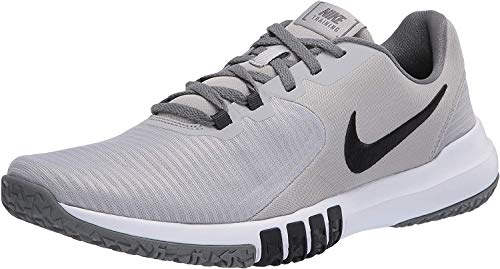
Best Cushioned Running Shoes for Heavy Runners: High-Density Dual-Foam Midsoles, Medial Support Posts, Impact Dispersion, and Durability

Running is one of the most accessible and transformative cardiovascular activities on earth, but for athletes carrying more mass — whether solid muscular powerlifters, larger-framed athletes, or runners on dedicated weight loss journeys — the road presents unique mechanical challenges. When an athlete weighing over two hundred pounds strikes asphalt, Newtonian physics cannot be bargained with. Vertical ground reaction forces equal two-and-a-half to three times total body mass on every stride, sending over five hundred pounds of instantaneous kinetic shock traveling up through the foot, ankle, patellar tendon, and lower back.
Standard running shoes engineered for lightweight marathoners quickly bottom out beneath heavier frames. Delicate EVA foams compress permanently within a few weeks of training, narrow sole geometries induce excessive pronation wobble, and lightweight mesh uppers blow out along the lateral metatarsals. Equipping yourself with the best cushioned running shoes for heavy runners demands selecting high-density resilient foams, wide geometric platforms, durable carbon rubber outsoles, and advanced supportive stability architectures that protect joints across hundreds of road miles.
Table of Contents
Biomechanical Realities: Impact Forces and Pronation Mechanics in Heavier Runners
To identify the correct footwear architecture, one must examine the specific anatomical forces experienced by runners over 190 to 200 pounds:
Cumulative Tonnage on the Plantar Fascia: A runner takes roughly 1,500 foot strikes per mile. Over a simple four-mile workout, a 210-pound runner subjects their lower extremities to over 1,500 tons of cumulative compressive force. The plantar fascia — the thick band of fibrous tissue running beneath the arch — acts as an anatomical tie-rod. Under heavy cyclical loading, the arch flattens repeatedly, placing high tensile strain on the calcaneal attachment point, which triggers chronic plantar fasciitis if unsupported by high-density midsole cushioning.
Exaggerated Eversion Velocity (Overpronation): Larger runners naturally display a wider pelvic stance and greater ground contact force, which often accelerates the rate of inward ankle rolling (eversion velocity) immediately following heel strike. If a shoe midsole is overly soft without structural guidance, the medial side of the heel compresses completely, tilting the foot inward and causing excessive internal tibial rotation that strains the medial knee meniscus and pes anserine tendons.
Midfoot Lateral Bulging: Standard road shoes feature tapered, narrow midfoot waists. When a heavier foot plants with full force, the midfoot spreads naturally (known as transverse arch spread). Narrow sole designs allow the foot to spill over the edge of the strobel board, creating intense blister friction along the medial arch and tearing the upper fabric away from the midsole perimeter.
Top Cushioned Running Shoes for Heavier Runners: Technical Specification Matrix
| Running Shoe Model | Midsole Foam & Cushion Stack | Pronation Support Architecture | Outsole Carbon Rubber Coverage | Weight Rating & Durability | Amazon Recommendation |
|---|---|---|---|---|---|
| Brooks Beast GTS 23 | DNA LOFT v3 nitrogen-infused foam (32mm/20mm) | GuideRails aligned support system | Full-length HPR Plus high-abrasion rubber | Ideal for 200+ lbs runners needing motion control | Check Brooks Beast Price (Best Maximum Support & Motion Control) |
| Hoka Bondi 8 | Ultra-light compression-molded EVA (39mm/35mm) | Wide extended heel active foot frame cradle | Durabrasion rubber pods with zoned flex grooves | Ideal for 190+ lbs runners seeking maximal plushness | Check Hoka Bondi Price (Best Maximal Plush Cushioning) |
| Asics Gel-Kayano 30 | FF BLAST PLUS ECO with PureGEL rearfoot pad | 4D Guidance System (adaptive lateral stability) | AHAR+ high-durability heel plug and forefoot | Superb for overpronating runners over 185 lbs | Check Gel-Kayano Price (Best Adaptive Stability Technology) |
| Saucony Triumph 21 | PWRRUN+ expanded TPU bead foam (37mm/27mm) | Neutral wide geometric platform | XT-900 premium carbon rubber outsole | Exceptional energy return that resists packing out | Check Saucony Triumph Price (Best Long-Distance Bouncy Cushion) |
| New Balance Fresh Foam X More v4 | Fresh Foam X dual-density platform (34mm/30mm) | Exaggerated side-wall cradle and rockered sole | Full ground contact blown rubber array | Smooth rolling transitions for recovery runs | Check New Balance More Price (Best Wide Platform & Toe Room) |
Midsole Foam Chemistry: Resisting Compression Pack-Out
The single most important technical component for a heavier runner is the chemical composition of the midsole foam. Not all cushioning foams are created equal:
The Failure of Standard CMEVA: Conventional compression-molded EVA (CMEVA) relies on gas blown into molten vinyl acetate. Under repetitive 500-pound point loads, the delicate cellular walls of standard EVA fracture and collapse. After only 150 to 200 miles, the foam “packs out,” losing its rebound elasticity and becoming as dense as cardboard. The runner continues using the shoe unaware that its shock-absorbing capacity has evaporated, leading to sudden onset shin splints and knee ache.
Expanded TPU (Thermoplastic Polyurethane) and PWRRUN+: Featured in the Saucony Triumph 21. Rather than a fragile blown foam block, expanded TPU consists of thousands of miniature thermoplastic beads steam-molded into a resilient matrix. Expanded TPU displays extraordinary resistance to permanent compression set. Even after 400 miles under a 220-pound runner, it returns over sixty-five percent of its original energy, providing consistent bounce and plush joint insulation.
Nitrogen-Infused DNA LOFT v3: Featured in the Brooks Beast GTS 23. By infusing liquid nitrogen into proprietary foam under high pressure, Brooks creates microcellular chambers with dense, reinforced cell walls. This foam delivers deep, soft impact cushioning that does not collapse under heavy foot strikes, maintaining structural integrity across grueling training blocks.
Support Architecture: GuideRails and Adaptive Geometry vs Rigid Plastic Posts
For decades, stability shoes for heavy runners relied on brutal dual-density medial posts — rock-hard grey plastic wedges glued into the inner arch. While these wedges halted inward pronation, they forced the foot into an unnatural unnatural outward tilt, causing lateral foot pain and IT band strain. Modern biomechanical engineering has superseded medial posts with dynamic stability systems:
Brooks GuideRails Aligned Support: The Brooks Beast GTS utilizes GuideRails technology — firm foam bumpers molded into both the medial and lateral perimeter walls of the midsole. GuideRails function like bumper bowling lanes: when the runner’s stride remains neutral, the bumpers remain passive; when fatigue induces excessive inward or outward knee wobble, the GuideRails stabilize the calcaneus, keeping joint alignment within comfortable anatomical motion paths.
Asics 4D Guidance System: Featured in the Asics Gel-Kayano 30. This system incorporates an ultra-wide base platform, broad sculpted sidewalls, and an elastic medial foam pod that actively rebounds beneath the arch. Instead of blocking foot motion with rigid plastic, the compliant pod adapts to the increasing downward load, returning the foot to a neutral position dynamically on each stride.
The Active Foot Frame: Pioneered by Hoka in the Hoka Bondi 8. Rather than sitting your foot on top of a flat foam block, the Bondi’s midsole curves upward around the perimeter of the heel and midfoot like a racing bucket seat. Your foot sits down inside the foam, providing natural lateral stability without requiring stiff dual-density posts.
Outsole Armor and Upper Reinforcement Standards
Heavier runners generate increased shear forces that quickly wear down inferior running shoe uppers and outsoles:
High-Abrasion Carbon Rubber Compounds: Look for shoes with extensive outsole coverage utilizing carbon-infused rubber (such as Asics AHAR+ or Brooks HPR Plus). Carbon rubber possesses high tear strength, preventing abrasive asphalt from sanding down the tread at the outer heel strike zone. Avoid shoes that leave raw exposed foam under the midfoot or forefoot.
Reinforced Midfoot Saddles and Heel Counters: Heavier runners require an upper that anchors the foot firmly atop the sole during lateral transitions. Premium engineered mesh with internal midfoot straps and rigid external thermoplastic heel counters prevents the foot from sliding forward on downhills, protecting toes from painful bruising.
Top Running Shoe Reviews for Heavier Athletes
1. Brooks Beast GTS 23: The undisputed king of motion control and structural support for runners over 200 pounds. Powered by plush, nitrogen-infused DNA LOFT v3 foam and Brooks’ proven GuideRails aligned support system, the Beast provides fortress-like stability without feeling rigid or clunky. Its broad base and full-length HPR Plus carbon rubber outsole withstand hundreds of miles of punishing road use.
2. Hoka Bondi 8: The ultimate maximalist cushion experience for heavier runners seeking joint impact relief. With an enormous 39mm heel stack of compression-molded EVA and an ultra-wide active foot frame, the Bondi 8 absorbs road vibration like a luxury SUV. Its rockered sole profile promotes smooth, effortless rolling transitions from heel to toe.
3. Asics Gel-Kayano 30: The modern benchmark for adaptive stability. Replacing old rigid plastic posts with the innovative 4D Guidance System and a massive slab of FF BLAST PLUS ECO foam, the Kayano 30 provides plush, cloud-like landings with responsive medial guidance for heavy overpronators.
4. Saucony Triumph 21: Built for larger runners who want high-energy rebound and springy responsiveness rather than mushy foam. The full-length PWRRUN+ expanded TPU midsole refuses to pack out under heavy loads, providing bouncy, energetic cushioning that holds up across marathon distances.
5. New Balance Fresh Foam X More v4: Featuring the highest stack of Fresh Foam X ever created, the More v4 offers an exceptionally broad platform and generous toe box volume. It provides smooth, stable rolling transitions for heavy neutral runners on long weekend recovery runs.
Shoe Rotation Strategy: The 48-Hour Foam Recovery Cycle
One of the most cost-effective habits heavier runners can adopt is alternating between two pairs of running shoes:
Microscopic Cell Recovery: Under heavy continuous compression, foam cells require twenty-four to forty-eight hours to expand fully back to their uncompressed resting volume. If a runner trains in the same pair of shoes every single day, the foam remains partially compressed, accelerating permanent pack-out. Rotating between two pairs doubles the chronological lifespan of both pairs, ensuring every run begins with 100% impact absorption.
Insole Upgrades for High Arches: Heavy runners with high, rigid arches often find standard factory insoles inadequate. Replacing thin stock footbeds with firm, medical-grade supportive insoles (such as Superfeet Green or Powerstep Pinnacle) fills the arch void, distributing gravitational forces across the entire plantar fascia.
Rocker Geometry and Forefoot Joint Pressure Relief
For runners over two hundred pounds, the toe-off phase of the running gait subjects the metatarsophalangeal (MTP) joints to intense compressive bending. Stiff, flat soles force the big toe joint to dorsiflex under massive body leverage, frequently triggering hallux rigidus and metatarsalgia:
Curved Meta-Rocker Soles: Modern maximalist designs (seen on the Hoka Bondi 8 and New Balance More v4) utilize curved rockered outsoles that act like rocking chairs beneath the foot. Rather than requiring the MTP joints to bend ninety degrees to push off the road, the shoe’s curved sole rolls smoothly through the gait cycle, unloading up to thirty percent of peak pressure from the forefoot and Achilles tendon.
Early-Stage vs Late-Stage Rockers: An early-stage meta-rocker places the curve transition point immediately behind the metatarsal heads, encouraging rapid forward roll for runners with limited ankle mobility. A late-stage rocker places the curve further forward toward the toes, providing a stable, flat midfoot planting platform that heavier runners who land midfoot often find more predictable under heavy loads.
Lacing Architectures for High-Volume Feet and Instep Relief
Heavier runners frequently possess thicker, higher-volume feet that suffer painful nerve compression under standard crisscross shoelaces:
Window Lacing (Parallel Lacing): If you experience burning pain, tingling, or numbness on top of your foot during runs, your laces are likely compressing the superficial peroneal nerve against the cuneiform bones. Window lacing skips crisscrossing across the middle two eyelets, creating an open “window” directly over the highest point of your instep while maintaining tight tension at the collar and forefoot.
Heel Lock Lacing for Ankle Slippage: Because heavier runners generate greater horizontal push-off forces, rearfoot slippage inside the heel counter is common. Utilizing the runner’s loop (passing laces through the extra top eyelets to form cinch loops) locks the calcaneus down into the shoe bed, eliminating friction blisters without needing to overtighten the laces across the instep.
Sole Flare Geometry and Road Ground Contact Metrics
When assessing stability for heavier runners, examine the outer boundary profile of the sole base. Traditional shoes feature narrow, tucked-in soles that encourage the shoe to tip when landing on roadside camber angles. High-stability platforms for heavier runners incorporate distinct lateral and medial sole flare, extending the base of the shoe five to ten millimeters wider than the upper strobel board. This wide contact trapezoid creates a broad foundation that resists tipping torque, allowing heavier athletes to land with complete mechanical stability on uneven asphalt surfaces.