Open-Ear Sport Earphones for Running: Bone Conduction Guide

The right open-ear sport earphones for running are the ones that let you hear traffic, cyclists, and other people the entire time you’re moving. This guide covers why that matters, how bone conduction and clip-on open-ear designs actually work, and two verified, currently available picks worth buying.
For running specifically on roads, sidewalks, or shared paths, open-ear bone conduction earphones are the safer pick because they leave your ear canal completely open. You still hear traffic, other runners, and dogs the whole time. The tradeoff is less bass and a small amount of sound leakage at higher volumes. The Shokz OpenRun Pro is the most established option in this category, verified in stock at $109.95 at the time of writing.
This is one of four running-audio guides on this site, and each one covers a distinct form factor rather than repeating the same generic advice with a different headline. This page is specifically about open-ear designs, bone conduction headbands and clip-on open-ear earbuds that leave your ear canal unblocked. If you actually want sealed in-ear comfort, a wireless charging case, or full over-ear headphones, the other three guides cover those form factors on their own terms.
- →Open-ear designs (bone conduction or clip-on) leave your ear canal open, so you hear traffic and people around you the whole run
- →Bone conduction transmits sound through your cheekbones, not your eardrum, which is why it stays comfortable for hours
- →Expect noticeably less bass than sealed earbuds; that is a tradeoff of the open design, not a defect
- →Sound leakage at high volume is real and audible to people standing close to you
- →This is the correct category for road running, dark early mornings, or any route shared with traffic or cyclists
Table of Contents
Why situational awareness matters more than sound quality here
Most running-earphone advice focuses on sound signature and battery life and treats safety as an afterthought. For anyone running on a road, a sidewalk that crosses driveways, or a multi-use path with cyclists and e-bikes, that ordering is backwards. A sealed earbud playing music at a normal volume measurably reduces your ability to hear a car engine, a bike bell, or someone calling out behind you. Open-ear designs exist specifically to remove that risk without asking you to run in silence.
⚠️ Watch out: Open-ear does not mean silent to everyone. At higher volumes, both bone conduction headbands and clip-on open-ear earbuds leak audible sound to people standing close to you, on a quiet trail that is worth knowing before you crank the volume past what you actually need.
How bone conduction actually works
A bone conduction headphone sits just in front of your ears, resting against your cheekbones, and vibrates that bone directly to send sound to your inner ear. Your eardrum is never covered. That is the entire mechanism, and it is why the ear canal stays fully open for outside sound at the same time you are hearing your music or a podcast. Clip-on open-ear earbuds work differently: they use a small directional speaker held just outside the ear canal rather than a vibrating transducer on bone, which is why they can sound closer to a normal earbud while still leaving the canal open.
Our pick: Shokz OpenRun Pro

The Shokz OpenRun Pro (open-ear bone conduction) is the most refined bone conduction headphone built specifically for running and cycling, with a titanium headband that sits stable during hard efforts and a sweat-resistant build rated for outdoor training. Verified availability at the time of writing: $109.95, listed as In Stock. Battery life and exact specs can change between hardware revisions, so check the current listing before buying rather than relying on any single number quoted here.
💡 Pro tip: Adjust the headband so the transducers sit just in front of your ear canal, not directly over it. A common first-time mistake is positioning them too far back, which noticeably reduces bass response and makes the sound feel thin.
An open-ear alternative: Bose Ultra Open Earbuds
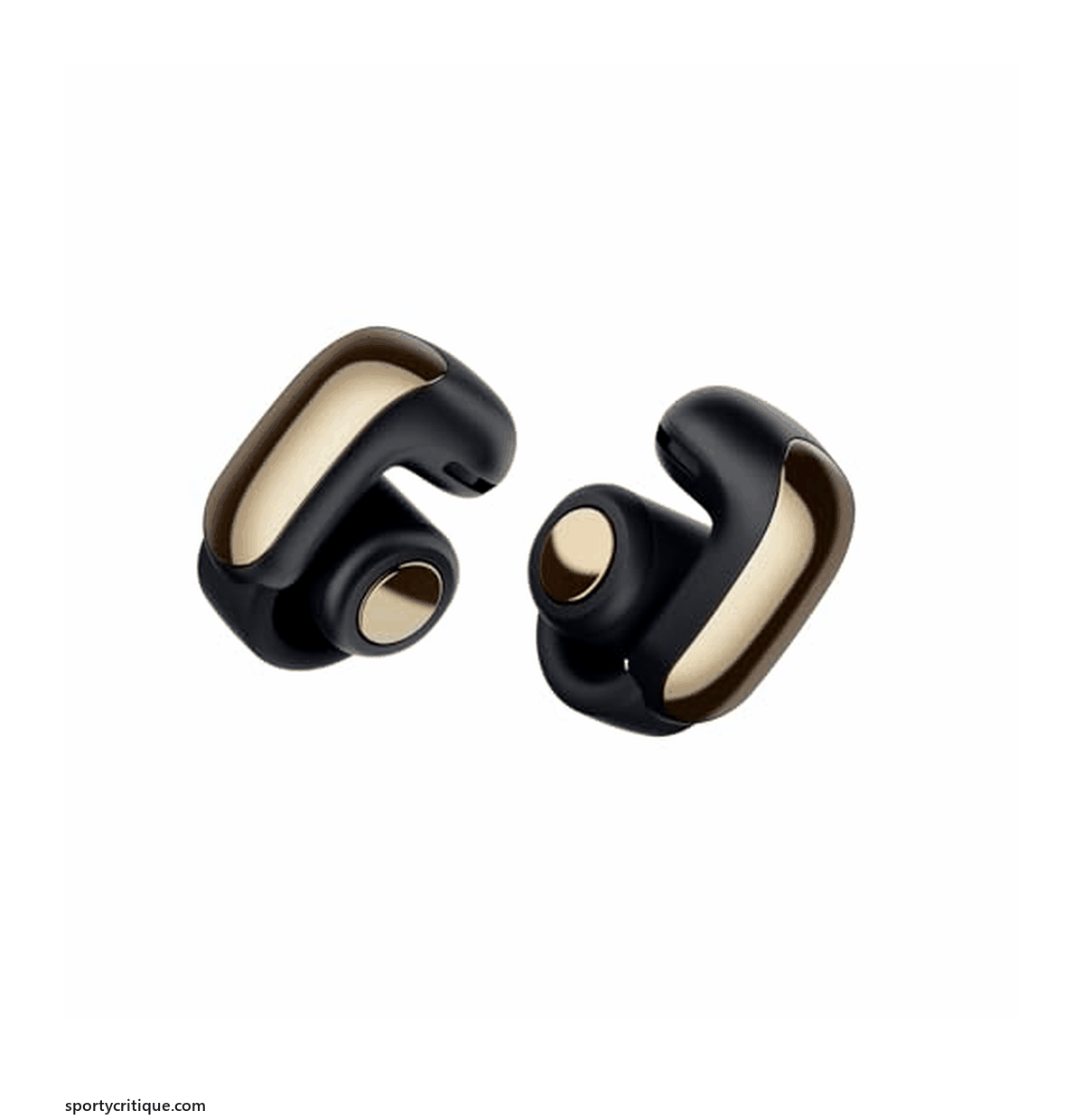
If a headband style is not for you, the Bose Ultra Open Earbuds (clip-on open-ear) use a clip-on design that hooks over the top of the ear instead of resting on the cheekbone. It is a true earbud shape rather than a transducer, which trades some of bone conduction’s ultra-secure fit for a more familiar in-ear feel while still leaving the canal open. Verified price at the time of writing: $269.00 (In Stock), meaningfully more expensive than the Shokz option above, which reflects Bose’s premium positioning rather than a difference in the open-ear safety benefit itself.

What you give up for the open design
- ✓Choose open-ear if you regularly run on roads, shared paths, or in low-visibility hours
- ✓Choose open-ear if long runs leave sealed earbuds feeling uncomfortable in your ear canal
- ✓Expect a distinctly lighter sound signature than sealed earbuds, not a lesser version of the same sound
- ✓Keep volume moderate both for your hearing and because leakage is audible to people nearby
- ✕Do not expect deep bass response to match a sealed in-ear design; the physics of the open design limits it
- ✕Do not assume open-ear means silent to bystanders; it isn’t at higher volumes
- ✕Do not buy this category expecting studio-quality sound as the main selling point; safety and comfort are the actual reasons to choose it
- ✕Do not run with earbuds sealed and volume high on a road with active traffic; that is the exact scenario this category solves
Common myths about open-ear running audio
Bone conduction headband vs. clip-on open-ear: how to choose
Both styles leave the ear canal open, but they fit and behave differently enough that picking between them matters more than picking between two colors of the same product. A bone conduction headband wraps behind the head and rests the transducers against your cheekbones. There is nothing inside or over the ear at all, which is why it stays comfortable under a running cap, sunglasses arms, or winter headband without any pressure conflicts. The tradeoff is a slightly larger, more visible unit and a fit that depends on head shape and cheekbone position, so trying one on, or at least reading return-policy terms, is worth doing before committing.
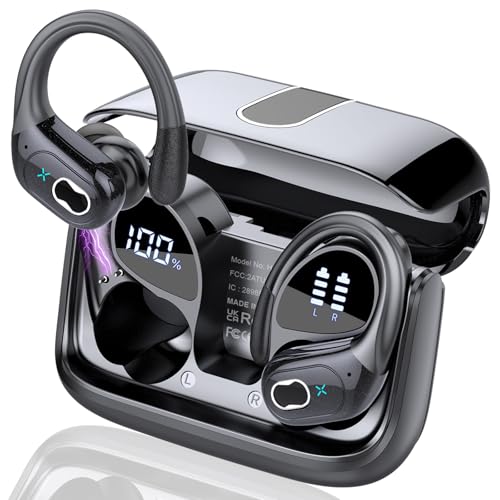
A clip-on open-ear earbud hooks over the top of the ear like a small hearing-aid-style bracket, with the actual speaker sitting just outside the ear canal rather than inside it. It looks and feels closer to a normal earbud, which some runners prefer, and it tends to disappear more easily under a hat. The compromise is that the fit relies more on ear shape than a bone conduction headband does, so sizing and hook orientation matter more for a stable fit over a bouncing long run.
When open-ear design matters most
Not every run carries the same risk profile, and it’s worth being specific about when the open-ear tradeoff is clearly worth it rather than treating it as a blanket rule. Early morning or evening runs in low light are the clearest case: visibility is already reduced for drivers to see you, so keeping your hearing fully available closes part of that gap. Shared multi-use paths with cyclists and e-bikes are another, since those riders often approach from behind without a reliable engine sound to warn you. Marathon and half-marathon training blocks that rack up road miles week after week are a third: the safety benefit compounds over hundreds of runs even if any single run feels low-risk on its own.
Where the case weakens is track work, treadmill sessions, and closed park loops with no vehicle access. On a rubberized 400m track or a treadmill in a gym, there’s effectively nothing external to stay aware of, and a sealed earbud’s better bass and isolation stop costing you anything in exchange.
What to check before you buy
Fit stability under motion matters more for open-ear designs than for sealed in-ear buds, because there’s no compression seal holding them in place. Look specifically for reviews that mention bouncing or shifting during runs rather than just walking or gym use, since those are different stress tests. IP rating matters too: sweat and light rain resistance is standard on running-focused models, but not universal on general-purpose open-ear earbuds borrowed from the office-headset category, so check the spec rather than assuming it.
Battery life claims on any Bluetooth headphone are measured under specific lab conditions, usually at a moderate fixed volume with no calls. Real-world battery life during a hard effort at a higher volume typically runs somewhat shorter, so treat the advertised number as a ceiling rather than a guarantee, especially if you’re planning to use the same pair across a long training block without daily charging.
Who should skip this category entirely
If you run exclusively on a treadmill, a closed track, or a route with zero vehicle or cyclist traffic, the safety argument for open-ear design mostly disappears, and a sealed true wireless earbud will give you better bass and isolation for the same money. Our
Comparing this to the other three audio guides on this site
This site runs four separate running-audio guides because “headphones for running” actually splits into four genuinely different product categories, not four versions of the same list. If open-ear is not the right fit for you, here is where to go instead.
📊 Note: Prices and stock status shown above were verified against Amazon at the time this guide was written and can change. Always check the current listing before buying.
Are open-ear bone conduction headphones safe for running near traffic?
They are the safer choice specifically because they leave your ear canal open, so you can hear approaching vehicles, cyclists, and people around you at the same time as your audio. No headphone design eliminates risk entirely, so keep volume moderate and stay alert regardless of which style you use.
Do bone conduction headphones work for people who are hard of hearing?
Bone conduction can help some people with certain types of conductive hearing loss because it bypasses the eardrum, but it is not a hearing aid and is not a substitute for medical advice. If hearing loss is the primary reason you are considering this category, talk to an audiologist about whether it is actually appropriate for your specific situation.
Why does bass sound so much weaker on open-ear headphones?
Bass response depends heavily on a sealed cavity to reinforce low frequencies, which is exactly what open-ear designs deliberately don’t have. That open design is also what lets outside sound in, so weaker bass is the direct tradeoff for the safety benefit, not a flaw to be fixed.
Can I use open-ear sport earphones for phone calls while running?
Yes. Both bone conduction headbands and clip-on open-ear earbuds typically include microphones for calls, and because your ear canal stays open you can actually hear the other person’s voice and your own surroundings at the same time, which sealed earbuds make harder.
As an Amazon Associate, we earn from qualifying purchases through links on this page.