Best Foosball Balls for Glass Table Surfaces

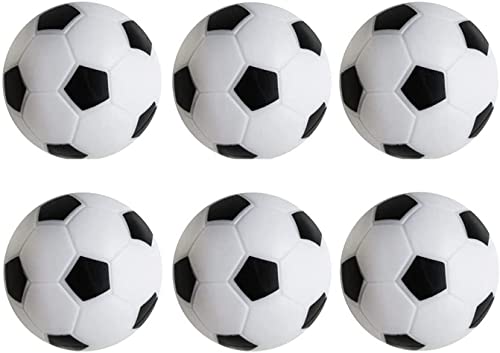
The best foosball balls for glass table surfaces have to do more work than a standard ball, grip matters more than size or price once you’re playing on tempered glass instead of laminate. Glass offers far less natural friction, so a ball that plays fine elsewhere can skid badly on this surface. Here’s which balls actually hold up on glass and why.
A glass foosball playfield needs a textured or tacky-surfaced ball, a standard smooth ball skids uncontrollably on glass in a way it doesn’t on laminate. The DDonglai Tournament Quality set ($14.95) uses a deep, grippy texture that holds up well on glass. The BQSPT 16-Pack ($9.99) is a cheaper option in a smaller 32mm size worth checking against your table’s spec first.
Glass-top foosball tables are a real, distinct category, not just a cosmetic variant of a standard laminate table. The surface itself changes how a ball behaves: glass is harder and smoother than laminate or wood, which means a ball’s traction, not just its size, becomes the deciding factor in whether the game plays well or turns into a frustrating exercise in chasing a ball that won’t stay controlled.
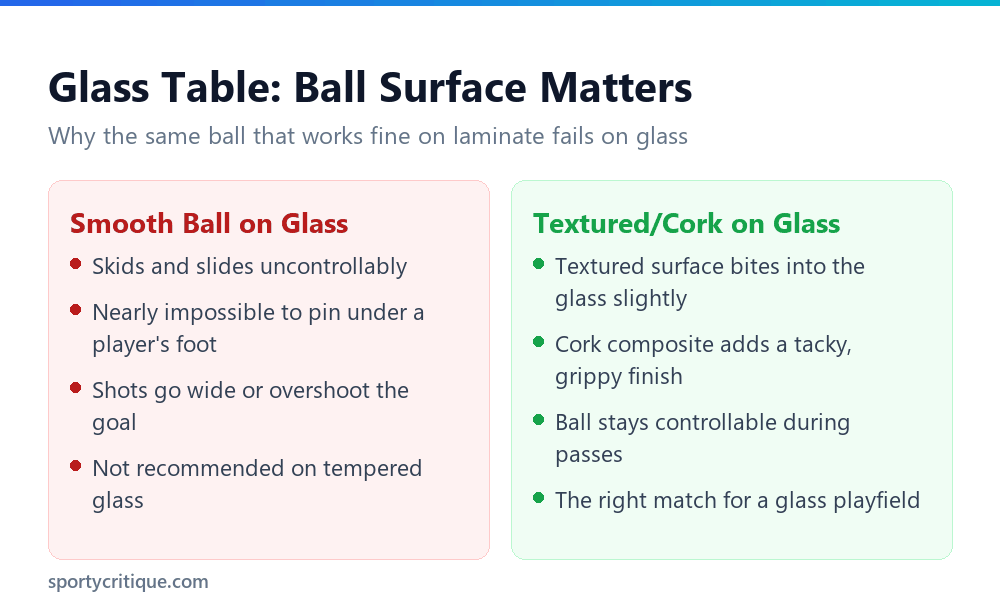
- →Smooth or lightly textured balls that work fine on laminate tables often skid badly on glass
- →A deeper, grippier texture or a cork-composite build compensates for glass’s low natural friction
- →Confirm your glass table’s spec ball size before buying, it isn’t always the same 36mm standard
- →Cork balls, more common on European-style tables, are a genuine alternative worth trying on glass
- →A ball that constantly overshoots the goal on a glass table is usually a traction problem, not a skill problem
Table of Contents
Why glass changes the ball question
Foosball tables with a glass playing surface, sometimes sold as a premium or furniture-style option, trade the slightly porous, matte texture of laminate for a hard, smooth surface that looks sharp but behaves very differently under a moving ball. Friction between the ball and the playfield is what lets a player pin the ball under a man’s foot for a controlled pass or a set shot. Glass simply offers less of that friction than laminate does, regardless of which ball you’re using, so the ball itself has to make up more of the difference.
This is why a ball that plays perfectly well on a standard table can feel almost unusable on a glass one: it’s not the ball changing, it’s the surface underneath it offering less grip to work with in the first place.
Textured balls: the first fix to try
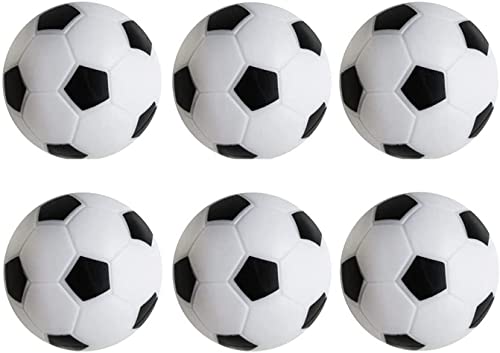
The DDonglai 35mm Tournament Quality Foosball Balls runs $14.95, low stock at time of writing. It uses a deeper surface texture than a basic budget ball, which matters specifically on glass, a shallow texture that’s adequate on laminate may not provide enough bite on a harder, smoother surface. Buyers with glass tables specifically call out the improved control this style of texture provides compared to a standard-depth textured ball.
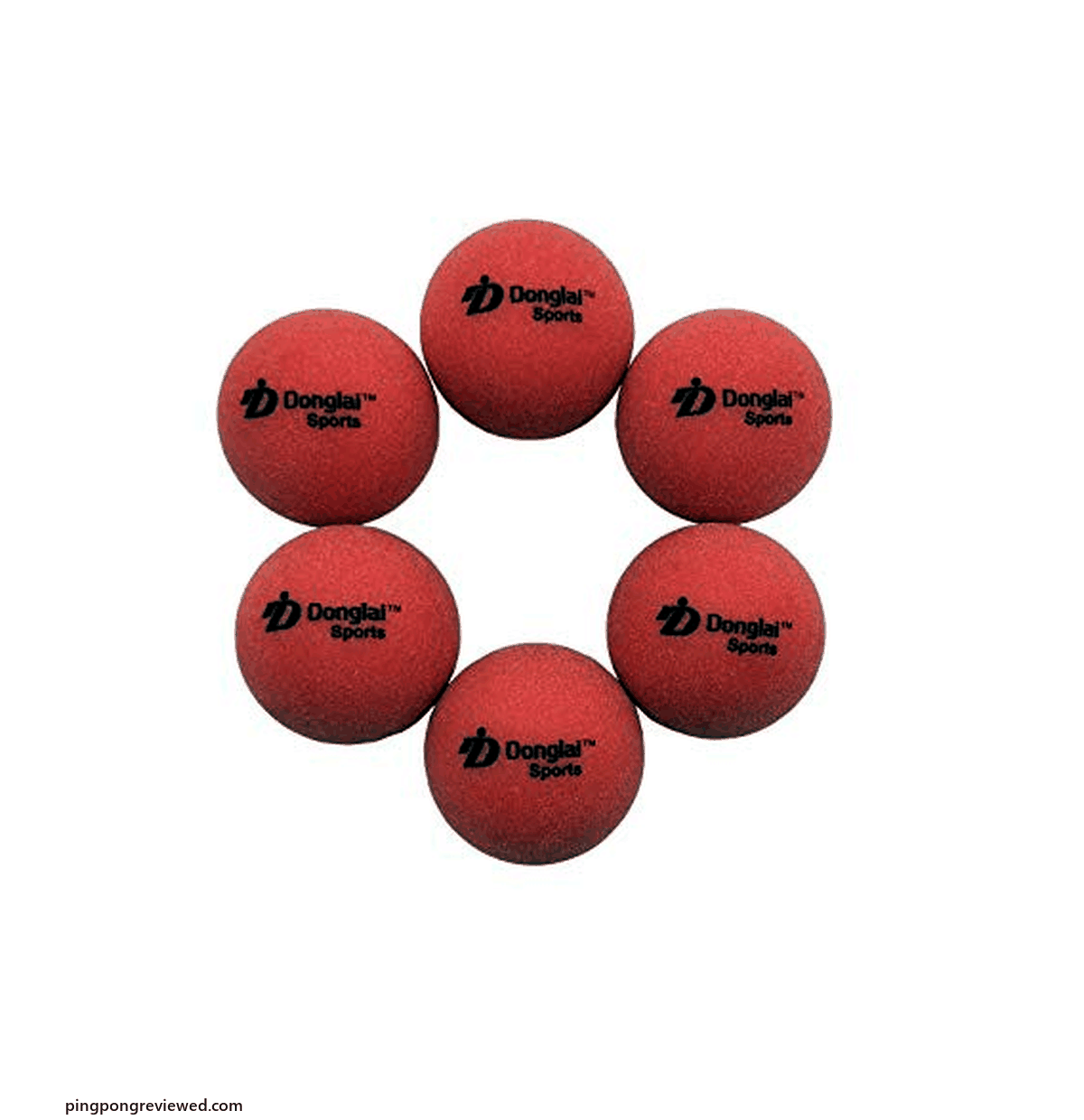
Smaller-size alternative: BQSPT 32mm
The BQSPT 32mm Foosball Balls, 16-Pack costs $9.99, in stock, and ships in a 32mm size rather than the more common 36mm standard. Some glass and mini-table builds specifically call for a smaller ball, check your table’s original spec before ordering this size, using an undersized ball on a table built for 36mm balls causes the same rattling problem covered in our general foosball ball guide, glass surface or not.
Budget options: Inscool and OuMuaMua
The Inscool 9-Pack Foosball Table Balls, 1.42 Inch at $7.99, in stock, and the OuMuaMua Foosball Table Soccer Balls at $8.99, in stock, are both standard 1.42-inch (36mm) textured balls at a lower price than the tournament-spec option above. Neither is marketed specifically for glass tables, so treat them as a budget test option, buy a small set first and confirm the texture depth holds up on your specific table before committing to a larger order.
⚠️ Watch out: Never use a smooth or glossy ball on a glass playfield. The combination of two low-friction surfaces, smooth ball and glass table, makes the ball nearly impossible to control and turns every shot into a fast, unpredictable skid rather than a deliberate play.
Cork-composite balls: the other real option
Cork-core and composite balls, more associated with European-style tables, offer a tacky, slightly softer surface that some glass-table owners prefer over hard textured plastic. The tackiness compensates for glass’s low friction differently than surface texture does, it grips through material softness rather than through a rough pattern molded into hard plastic. If a textured plastic ball still skids more than you’d like on your specific glass table, a cork-composite ball is worth trying as an alternative before assuming the table itself is the problem.
Cork balls tend to be quieter in play too, a secondary benefit worth mentioning if the table is in a shared living space, though it shouldn’t be the deciding factor over traction and control.
- ✓Buy a deeper-texture or tournament-spec ball first if your standard textured balls skid on glass
- ✓Try a cork-composite ball as a second option if plastic texture alone isn’t enough
- ✓Confirm your table’s exact spec ball size before ordering, glass and mini tables sometimes vary from 36mm
- ✓Test a small set before committing to a large multi-pack on an unfamiliar glass table
- ✕Don’t use smooth or glossy balls on a glass playfield under any circumstance
- ✕Don’t assume a ball’s listing photo shows enough texture depth, read reviews from other glass-table owners specifically
- ✕Don’t blame your skill level for skidding shots before ruling out the ball’s surface as the actual cause
- ✕Don’t mix ball types within the same game if consistency in feel matters to your play
💡 Pro tip: If you’re not sure whether your table’s surface is true glass or a glass-look laminate, run a hand across it, real glass feels noticeably colder and harder than a printed laminate finish made to resemble it. The ball advice in this guide applies specifically to true glass surfaces.
How glass foosball tables are usually built
A glass-top foosball table typically uses a tempered glass panel set into or over the cabinet frame rather than a laminate sheet bonded directly to particleboard or MDF. Tempered glass is chosen for durability and a premium look, it resists scratching far better than laminate and gives the table a distinct, furniture-grade appearance that manufacturers market as a step up from standard builds. The tradeoff, as covered above, is that the same hard, smooth quality that makes tempered glass scratch-resistant also gives a ball much less to grip onto during play.
Some tables marketed as “glass-style” actually use a glass-look laminate rather than true glass, which behaves closer to a standard playfield. It’s worth confirming which one you actually have, since the ball recommendations in this guide apply specifically to true tempered glass, a glass-look laminate table can generally follow the standard ball guide instead.
Common complaints from glass table owners
Searching through reviews and forum discussions about glass foosball tables turns up a consistent pattern: new owners often buy the table expecting the same play experience as a standard laminate table and are surprised when shots overshoot the goal or the ball skates past a player’s foot during what should be a routine pass. That’s rarely a defect in the table itself, it’s the mismatch between a standard ball and a low-friction surface covered throughout this guide. Swapping to a deeper-texture or cork ball resolves the complaint in most of these cases without needing to replace or service the table.
A smaller number of complaints relate to visible scuff marks left by certain balls on the glass surface over time. This is largely cosmetic and wipes off with standard glass cleaner, but it’s worth knowing that some ball materials leave more residue than others, another reason to test a small set before committing to bulk purchase of any single product.
Cleaning the glass surface itself
A glass playfield benefits from more frequent cleaning than a laminate one, fingerprints, dust, and the faint residue some balls leave behind show up more visibly on glass and can subtly affect ball glide over time. A standard ammonia-free glass cleaner and a microfiber cloth handle this well, avoid abrasive cleaners or paper towels that can leave fine scratches on the surface over repeated use. Clean the surface before judging a new ball set’s performance, a dusty or residue-coated playfield can make even a well-suited ball feel like it’s skidding more than it actually is.
Where this fits next to our other foosball guides
Testing a new ball set before buying in bulk
Because texture depth and material tackiness vary enough between brands to matter on glass, it’s worth buying a small set of six to eight balls first rather than jumping straight to a bulk multi-pack. Play a few full games, pay attention to whether shots and passes feel controllable or whether the ball keeps skating past the intended target, and only reorder in bulk once you’ve confirmed a specific product actually performs the way the listing suggests on your table. This small extra step costs a few dollars and saves buying a large pack of balls that end up sitting unused because they don’t grip the way you need on glass.
Bottom line
Glass playing surfaces need more from the ball than laminate does. A deeper-texture or cork-composite ball compensates for the lower natural friction glass provides, while a smooth or lightly textured ball that’s fine elsewhere will skid and frustrate on this specific surface.
Why do foosball balls skid more on a glass table?
Glass offers less natural friction than laminate or wood playfields, so the ball’s own surface texture has to do more of the work to stay controllable. A ball that grips fine on laminate can skid on glass simply because the surface underneath offers less traction.
What kind of foosball ball works best on glass?
A deep-texture plastic ball or a cork-composite ball. Both compensate for glass’s low friction differently, texture through a rough molded surface, cork through material tackiness, and either is a real improvement over a standard or smooth ball on this surface.
Can I use regular foosball balls on a glass table?
You can try, but standard-texture balls often skid more than expected on glass compared to laminate. If control feels off, a deeper-texture or cork-composite ball is worth testing before assuming the issue is your play.
Is ball size different for glass foosball tables?
Not inherently, but check your specific table’s spec rather than assuming. Some glass and mini-table builds use 32mm balls instead of the more common 36mm standard, and using the wrong size causes binding or rattling independent of the glass-surface traction question.
As an Amazon Associate, we earn from qualifying purchases through links on this page.