Best Pool Cue: How to Choose Your First Real Cue

Choosing a pool cue comes down to four real decisions, weight, tip hardness, shaft material, and budget tier, plus knowing where to look next once you’ve made them. This is the overview page; our other guides go deeper on each specific question.
🎱 Billiards & Pool Hub: Explore all 62 cue reviews, aiming systems, and drill breakdowns in our Complete Billiards & Pool Resource Hub.

The best pool cue for most people starting out is a one-piece or two-piece maple cue weighing 19 to 20 ounces with a medium-hardness leather tip, priced somewhere between $40 and $135 depending on whether you’re buying for casual play or expect to stick with the game. Weight, tip hardness, and shaft material (wood versus carbon fiber) matter far more to how a cue actually plays than brand name or cosmetic finish. This guide covers each of those decisions and links out to our more specific guides for particular budgets and skill levels.
This page is a deliberately different kind of guide from the other cue reviews on this site. Instead of ranking products in one narrow price band, it’s meant to be the starting point: what actually changes between cues, how to think about your own budget and skill level, and where to go next once you know roughly what you’re looking for. If you already know you want a sub-$75 cue or a specific tip type, our other guides go deeper on those narrower questions than this page does on purpose.
- →Weight (18-21oz) changes feel and power, not accuracy; most adults land comfortably at 19-20oz
- →Tip hardness trades grip for durability: soft grips slightly better, hard holds its shape longer
- →Wood (maple) shafts are the default; carbon fiber costs more but resists warping and humidity better
- →Budget tier (under $75) buys a straight, usable cue; intermediate tier ($75-200+) buys better joints and tapers
- →Our three picks below are solid “just tell me one answer” defaults if you don’t want to compare specs
Table of Contents
The four things that actually matter
Weight
Cue weight is usually stamped somewhere on the shaft or listed in the product title, typically ranging from 18 to 21 ounces for pool (as opposed to snooker, which runs lighter). Lighter cues (18-19oz) favor faster stroke speed and finesse position play; heavier cues (20-21oz) carry more momentum into the cue ball, which helps on breaks but can feel less precise on delicate shots. Most adult players land comfortably at 19 or 20 ounces, which is close to standard league weight and a safe default if you’re not sure yet.
Tip hardness
Tips range from soft to hard, and the tradeoff is grip versus durability. Softer tips compress slightly more on contact, holding the cue ball a fraction longer and translating to marginally more spin control, but they mushroom and lose their shape faster under regular play. Harder tips hold their shape longer between reshaping sessions but grip marginally less. Medium hardness is the common default recommendation for players who aren’t specifically prioritizing heavy english.
Wood shaft versus carbon fiber
Traditional maple shafts are what most cues, including every pick on this page, are built with, and they’re the right default for the large majority of players. Carbon fiber shafts cost meaningfully more but resist warping from humidity and temperature swings better than wood, which matters more if your cue lives somewhere with inconsistent climate or gets transported often. For a first cue, wood is the more common and more cost-effective starting point; carbon fiber is worth considering later once you know you’re playing regularly enough for the humidity resistance to matter.
Budget tier versus intermediate tier
Under roughly $75, you’re buying a straight, functional cue without a precision joint or low-deflection shaft, which is perfectly fine for casual and bar play. Between about $75 and $200, the materials and construction actually change: better joint hardware, more consistent wood grading, and sometimes a proper shaft taper designed to reduce cue ball deflection on off-center hits. Buying above your actual play frequency wastes money; buying below it once you’re playing regularly means fighting equipment limitations instead of improving your own game.
Our three overall picks if you just want one solid answer
For a genuinely no-frills budget option, the Set of 4 Pool Cues, 58-inch Billiard House Bar Sticks runs $43.19 for a four-cue assortment across standard weights, verified in stock at the time of writing. It’s a reasonable starting point for a home table or casual group play where everyone needs an appropriate weight on hand without spending much per cue.
Stepping up, the Viper Pool Cues Set of 4, One-Piece Solid Maple runs $134.98, also in stock at the time of writing, and sits solidly in the intermediate range where wood quality and finish noticeably improve over the true budget tier. One-piece construction removes the screw joint as a failure point entirely, which is a small but real advantage for durability.
For a small group or a table that sees heavier use, the Players Set of One-Piece House Pool Cue Sticks (4 Cues) runs $172.99, though stock was down to just 4 units at the time of writing, so it’s worth checking current availability before counting on it. Players is a long-established cue brand, and this set is positioned for commercial or heavy residential use rather than occasional play.
⚠️ Watch out: Availability and pricing on multi-cue sets shift more often than single cues since they move faster as a common gift and group-buy item. Treat the prices above as verified at the time of writing, not a permanent guarantee, and check the live listing before ordering.
Where to go next: our other cue guides
If you already know your budget or situation, these guides go deeper than this page does on purpose:
- Best Intermediate Pool Cue
- Picks for players outgrowing a starter cue
A note on tips, since it’s a separate decision from the cue itself
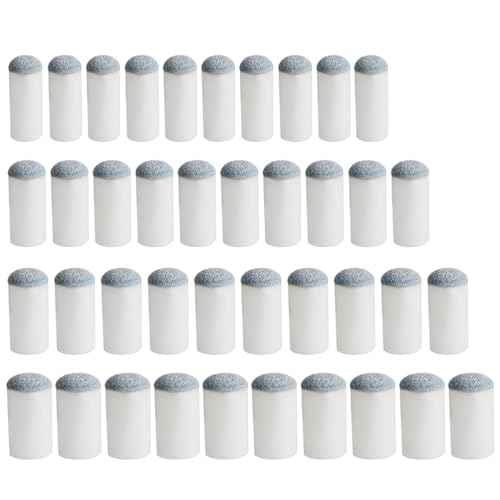
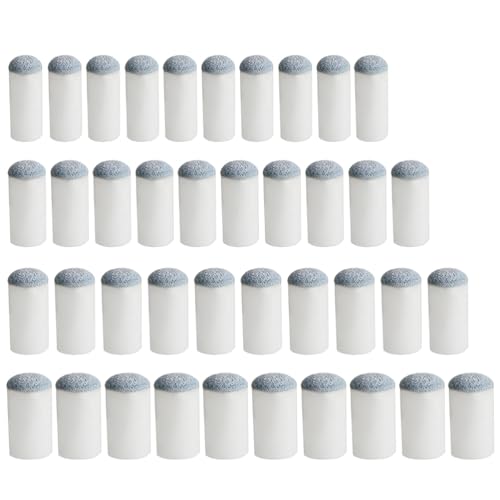
Most complete cues ship with a usable but unremarkable stock tip, and upgrading or maintaining that tip is a separate decision from choosing the cue itself. If you’re not sure whether your tip needs attention, or you want to understand replacement kits, glue, or shape options in more depth, this site has dedicated guides for each of those specific questions rather than trying to cover them fully here.
- ✓Start with weight and tip hardness before worrying about brand name
- ✓Buy at the tier that matches how often you actually expect to play
- ✓Check a multi-cue set’s current stock before assuming the listed price holds
- ✓Use our narrower guides once you know your specific budget or situation
- ✕Buy the most expensive option available assuming it guarantees better play
- ✕Assume carbon fiber is automatically better, it’s a tradeoff, not a strict upgrade
- ✕Ignore weight entirely just because a listing calls a cue “professional grade”
- ✕Ignore what happens to a cue’s tip over time; a great cue with a neglected tip still misses shots
How to know when it’s time to upgrade from your current cue
The clearest signal isn’t a specific hour count or calendar interval, it’s noticing a specific limitation repeatedly: a shaft that visibly deflects the cue ball more than you’d expect on firm off-center hits, a joint that’s developed noticeable play or looseness, or a weight that feels consistently wrong for how your stroke has developed as you’ve improved. Any one of those is a better reason to upgrade than a fixed timeline, since a straight, well-maintained budget cue can serve a casual or even regular player for years without ever hitting those limits.
If you’re upgrading specifically because of a joint or shaft issue rather than wanting new equipment for its own sake, that’s also a good moment to reconsider weight and tip hardness rather than just buying a similar cue at a higher price point, since your preferences on both may have shifted since you bought your current cue.
What to check if you can physically handle a cue before buying
Online buying means skipping the in-hand check most players used to rely on, but a few things still translate to a listing and photos. Roll the cue (or ask about return policy on arrival) on a flat surface to check straightness, since even a small warp is usually visible this way and is the single most common quality complaint at the budget tier. Check the tip material description literally: “genuine leather” is a real spec, while vague phrases like “performance tip” or “premium tip” without naming a material usually mean it isn’t leather at all.
Sort listings by review count in addition to star rating. A cue with several hundred reviews averaging 4.3 stars is a more reliable signal of consistent quality than one with a handful of five-star reviews and no meaningful sample size. Reading a handful of the lower-starred reviews specifically, rather than just the top ones, tends to surface real recurring problems like warping or joint looseness faster than reading only the positive ones.
Buying for someone else: gifts and shared tables
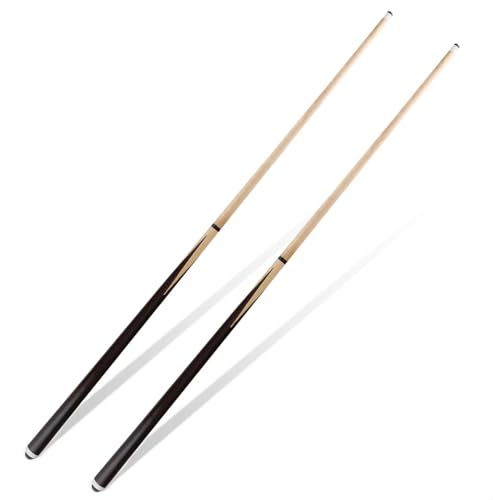
A multi-cue assortment, like the two four-cue sets featured above, solves a specific problem that a single cue doesn’t: not knowing the weight preference of whoever will actually use it. Buying a spread across 18 to 21 ounces means whoever ends up playing, whether that’s a lighter-handed guest or someone who prefers more heft, has a reasonable option on hand. This is a better default for a shared home table, a bar, or a gift where you don’t know the recipient’s exact preference than committing to a single weight and hoping it fits.
Bottom line
Start with weight (19-20oz for most people), tip hardness (medium as a default), and a realistic sense of how often you’ll actually play before comparing specific products. The three picks above cover a reasonable spread from budget to intermediate if you want one direct answer, and our other guides go deeper once you know which specific question you’re actually trying to answer.
What’s the single most important spec when choosing a pool cue?
Weight has the biggest immediate effect on feel, since it’s the one spec every player notices on the very first shot. Tip hardness and shaft material matter more over weeks of play than in a single session, which is why weight is worth getting right first.
Is a more expensive pool cue always going to play better?
Not automatically. Price generally tracks real material and construction differences (joint quality, wood grading, shaft taper), but past a certain point the differences become harder for most players to actually feel, especially below the level where technique is the limiting factor rather than equipment.
Should a beginner buy a two-piece or one-piece cue?
Either works fine to start. One-piece cues remove the screw joint as a potential failure point and are often slightly cheaper at the true budget tier; two-piece cues are easier to transport and store, which matters more if you’re not keeping the cue at a fixed table.
How do I know if I should buy a new cue or just fix my current one?
If the problem is the tip (mushroomed, glazed, holding chalk poorly), that’s a cheap and quick fix, not a reason to replace the whole cue. If the problem is a warped shaft or a loose joint, that’s a structural issue that usually isn’t worth repairing on a budget cue and is a reasonable trigger to upgrade.

As an Amazon Associate, we earn from qualifying purchases through links on this page.