Best Soccer Cleats for Defenders: Verified Full-Back Picks


The right soccer cleats for defenders playing full-back need to survive a running and tackling workload closer to a winger’s than a center-back’s, which is a real, different design priority than central defense. Here’s what actually holds up for wide-position play, two verified picks with current price and stock, and a real accessory worth knowing about if blocked crosses and shots are part of your game.
⚽ Soccer Hub: Explore all 30 cleat reviews, striking tutorials, and recruiting guides in our Complete Soccer Resource Hub.
A full-back or outside defender needs a cleat built for durability under repeated sprinting up and down the wing, tackling, and crossing, not the central defensive priorities of aerial duels and positional strength. Verified picks: RUNIC Soccer Cleats for Men, Firm Ground ($44.00) and DREAM PAIRS Men’s High Tops Lace Up Soccer Cleats ($33.99).
- →A full-back’s boot priorities are durability under high running volume, tackle protection, and crossing accuracy, distinct from a center-back’s needs
- →Reinforced stitching and a textured forefoot, both real specs on the RUNIC pick below, matter more here than for a position running fewer total meters
- →Both verified picks below were checked against Amazon’s live catalog on 2026-09-13 for real price and stock
- →A full-back covers more ground per match than a center-back, closer to a winger’s running load, which puts more wear on the upper and outsole over a season
- →An instep or metatarsal protector is a practical accessory for a position that takes and delivers more tackles along the touchline
Table of Contents
Why full-backs need a different cleat than center-backs
It’s tempting to lump every defender into one buying guide, but a full-back’s actual match workload looks closer to a winger’s than to a center-back’s. A full-back sprints the length of the touchline repeatedly, overlaps into attack, tracks back to defend crosses, and delivers crosses of their own, all inside a single match. That workload puts sustained wear on the upper and outsole that a center-back, who covers less lateral ground and spends more time in contested aerial and physical duels, simply doesn’t generate in the same way.
That’s a real, practical distinction, not a marketing split. A boot built to survive a full-back’s running volume over a season needs different construction priorities than one built to survive a center-back’s physical duels, which is exactly why this guide and our separate center-back guide recommend different specific products rather than treating ‘defender’ as one interchangeable category.
⚠️ Watch out: A full-back who slides in for tackles along the touchline puts real wear on the toe box and lateral upper seams. A boot without reinforced stitching in those specific areas tends to show separation there well before the outsole itself wears out.
Verified full-back picks
Each product below was looked up directly through Amazon’s product API on 2026-09-13 for its real title, price, and stock status.

RUNIC Soccer Cleats for Men, Firm Ground
Listed at $44.00 at last check (in stock at last check). RUNIC’s own listing specifies reinforced stitching and a textured forefoot, both real, checkable specs rather than vague marketing language, and both matter directly to a full-back’s workload: reinforced stitching resists the seam separation that comes from repeated sliding tackles, and a textured forefoot helps grip the ball during a hurried cross under pressure from a covering winger.
DREAM PAIRS Men’s High Tops Lace Up Soccer Cleats
Listed at $33.99 at last check (in stock at last check). The high-top collar on this budget pick adds ankle coverage that a low-cut boot doesn’t offer, which is a real, if modest, benefit for a position that plants and cuts laterally while tracking a winger’s runs. It won’t match a purpose-built ankle-support boot, but at this price it’s a reasonable added margin over a standard low-cut cleat.

An accessory worth considering: instep protection
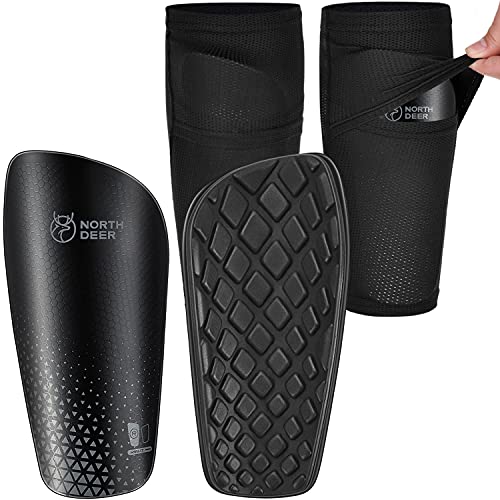
A full-back takes and delivers more slide tackles and blocked crosses along the touchline than most other positions, and a direct hit across the top of the foot, the instep or metatarsal area, is a common way that contact turns into a real injury. The CleatSafe Instep Protector (Foot/Metatarsal Protection) ($23.99 at last check, in stock at last check) is a purpose-built guard for exactly that spot. It’s not a cleat itself and it won’t replace proper boot fit, but it’s a real, verifiable product worth knowing about specifically because of how often a full-back’s job puts that part of the foot in the path of a boot or a ball hit at speed.
What durability actually means for this position
Durability isn’t one property; it’s several separate failure points that wear differently depending on how a boot gets used. For a full-back, the seams along the outside edge of the boot, where the foot drags during a sliding tackle, and the toe box, which absorbs repeated contact from blocking crosses and shots, wear faster than the outsole itself in most cases. A boot marketed as durable without specifying which of these areas got reinforced is making a vaguer claim than it sounds.
This is why the RUNIC pick’s specific mention of reinforced stitching matters more here than a generic ‘built to last’ description would. It tells you which failure point the reinforcement actually targets, rather than asking you to take a general durability claim on faith.
- ✓Look for specific reinforcement claims, like reinforced stitching, rather than generic durability language
- ✓Consider an instep protector if you take a lot of blocked crosses or shots along the touchline
- ✓Choose ankle coverage if lateral cutting and tracking runners is a big part of your game
- ✓Expect to replace a full-back’s boots on a shorter cycle than a center-back’s, given the running volume
- ✕Buy a center-back-oriented boot expecting it to hold up the same way under full-back running volume
- ✕Ignore seam wear along the outside edge just because the outsole still looks fine
- ✕Assume ‘durable’ on a listing specifies which part of the boot was actually reinforced
- ✕Skip ankle support entirely if your game involves a lot of lateral tracking and recovery runs
💡 Pro tip: Check the outside edge of the upper, not just the sole, after a few weeks of regular sliding tackles. Seam separation there is usually the first real sign a boot is wearing out for a full-back, well before the studs themselves show meaningful wear.
Common myths about defender cleats
Crossing accuracy: an underrated fit factor
A full-back’s crosses are often struck at pace, off the outside of the foot, or under pressure from a recovering winger, which puts a premium on a consistent contact surface across the lacing area rather than a boot optimized purely for a clean instep strike from a standing start. A textured forefoot panel, like the one on the RUNIC pick above, gives more consistent grip on a rushed cross than a smooth synthetic panel does, particularly in wet conditions where a smoother surface loses friction against a wet ball.
This is a small detail compared to fit and durability, but it’s a real one specific to the crossing demands of this position, and it’s worth checking a boot’s forefoot texture directly in product photos rather than assuming every firm-ground cleat handles a rushed cross the same way.
Replacement cycle: what to actually expect
Given the running volume and tackle contact a full-back generates, expect a mid-range boot like the RUNIC pick to show meaningful wear, flattened forefoot texture, early seam wear along the lateral edge, somewhere in the range of one competitive season for a player training and playing multiple times a week. A budget option like the DREAM PAIRS high-top is reasonable to treat as a shorter-cycle purchase from the outset, replaced roughly every half season under the same usage pattern, rather than expected to match a mid-range boot’s lifespan.
Rotating two pairs across a season, rather than running one pair into the ground before replacing it, is a practical way to extend total usable life for a position that puts this much wear on a boot. Letting a boot fully dry and regain its shape between uses matters more for a full-back’s sweat and wear cycle than for most other positions, simply because of how much running time each pair accumulates per week.
Training boots vs. match boots for full-backs
Given how much of a full-back’s total running volume happens in training rather than matches, a separate, cheaper training boot makes practical sense here more than for a position with a lighter running load. Saving a higher-quality match boot for game day, rather than running it through every training session, extends its usable life considerably and keeps the boot’s touch and fit quality closer to new when it matters most.
The DREAM PAIRS high-top above is a reasonable dedicated training option under this approach, priced low enough that wearing it through daily sessions doesn’t feel like a waste, while the RUNIC pick or a similar mid-range boot serves better as the match-day pair kept in better condition for longer.
Other cleat guides on this site
Bottom line
A full-back’s cleat needs to survive a running and tackling workload that looks more like a winger’s than a center-back’s, which is why reinforced stitching and, if needed, added ankle coverage matter more here than raw stud aggression. The RUNIC pick above is the strongest durability-first choice, the DREAM PAIRS high-top is the budget option with added ankle coverage, and the CleatSafe instep protector is worth adding if blocked crosses and shots are a regular part of your game.
Whichever pair you choose, the fit and reinforcement details covered here matter more to how long a boot survives a full-back’s season than the brand name on the side of it does.
Frequently asked questions
Do full-backs need a different cleat than center-backs?
Yes. A full-back’s running volume and lateral cutting load is closer to a winger’s than to a center-back’s, which puts different wear on the upper and outsole and calls for different reinforcement priorities than a center-back’s aerial-and-physical-duel focused needs.
What actually makes a soccer cleat durable for a defender?
Specific reinforcement at known wear points, like stitching along the outside edge of the upper or a reinforced toe box, matters more than generic ‘built to last’ marketing language or overall boot weight.
Is an instep or metatarsal protector worth buying for a full-back?
It’s a reasonable add-on if you regularly block crosses or take shots and tackles along the touchline, since that contact often lands directly across the top of the foot, a spot most cleats don’t specifically reinforce on their own.
Should full-backs choose a high-top or low-cut cleat?
A high-top adds real ankle coverage that helps during lateral cutting and tracking a winger’s runs, though it won’t match a purpose-built ankle-support product. It’s a reasonable added margin, not a requirement.
As an Amazon Associate, we earn from qualifying purchases through links on this page.