Best Swim Paddles and Pull Buoys: Hydrodynamic Catch Technique, Shoulder Loading Physics, and Upper Body Conditioning

In competitive swimming and triathlon training, advancing beyond plateaued lap times requires developing an explosive, technically flawless underwater pull. Pure arm conditioning without mechanical discipline merely reinforces energy-wasting stroke defects, while technical focus without resistance training lacks the power required to surge through heavy racing chop or close out the final fifty meters of an Olympic distance event. Swim paddles and pull buoys serve as the cornerstone training combination in competitive swim bags, engineered to amplify water feel, isolate propulsion mechanics, and condition the expansive muscle groups of the upper torso.
However, utilizing swim paddles and pull buoys incorrectly introduces significant physical hazards, most notably swimmer shoulder impingement and chronic rotator cuff tendonitis. Maximizing the training benefits of these resistance tools requires a deep understanding of hydrodynamic catch physics, Early Vertical Forearm (EVF) sequencing, strapless paddle feedback mechanics, and buoyancy alignment dynamics. This technical equipment guide breaks down the leading swim paddles and pull buoys for club racers, triathletes, and masters swimmers.
Table of Contents
Hydrodynamics of the Underwater Pull: Catch, Pull, and Finish Phases
The propulsion generated by a swimmer’s arm stroke is governed by fluid dynamics and Bernoulli’s principle of lift and drag:
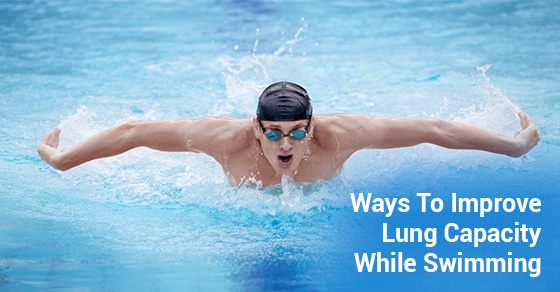
The Hand Entry and Catch: The hand enters the water fingertip-first at a forty-five degree angle in line between the shoulder and the head axis. Rather than immediately pressing downward—which creates unwanted upward lift and drops the hips—the swimmer extends forward into the catch phase, flexing the wrist slightly to establish grip on undisturbed water.
Early Vertical Forearm (EVF) Mechanics: The defining characteristic of elite swimmers is EVF. As the catch begins, the swimmer rotates their shoulder internally, keeping the elbow high near the surface while the fingertips and forearm drop vertically toward the pool bottom. This crucial movement transforms the entire arm from fingertip to elbow into a massive, cohesive paddle blade oriented perpendicular to the direction of travel, recruiting the large latissimus dorsi and pectoralis major muscles.
The Accelerated Finish: As the hand passes beneath the torso along the ribcage, the triceps accelerate the hand backward past the hip joint, releasing clean water without splashing or lifting spray into the air.
Top Swim Paddles and Pull Buoys: Technical Comparison Matrix
| Training Gear Model | Gear Type & Material | Hydrodynamic Resistance Feature | Primary Technical Purpose | Target Swimmer Profile |
|---|---|---|---|---|
| FINIS Agility Floating Paddles | Strapless Ergonomic ABS Plastic | Hydrodynamic contoured thumb hole | Early Vertical Forearm (EVF) feedback | Competitive stroke technicians |
| Speedo Nemesis Contour Paddles | Contoured Polypropylene with silicone straps | Scalloped water-tunnel perimeter tubercles | Smooth entry with reduced shoulder strain | Distance swimmers, triathletes |
| TYR Catalyst Stroke Paddles | Perforated Rigid Resin with multi-hole strap | Variable flow holes for custom drag | Power building and pull strength sets | Sprinters, college swim programs |
| FINIS Alignment Pull Buoy | High-Density Monolithic EVA Foam | Asymmetric low-profile hydrodynamic wedge | Core engagement and hip elevation | Technical freestyle and backstroke |
| Speedo Team Pull Buoy | Four-layer contoured closed-cell EVA | Ergonomic hourglass thigh contour | Maximum lower body flotation | Endurance pull sets, masters swimmers |
Top Swim Paddles and Pull Buoys: Detailed Equipment Reviews
1. FINIS Agility Floating Paddles: The most celebrated technical training paddle in modern swimming. FINIS engineered the Agility paddle with zero rubber wrist or finger straps; instead, it features an ergonomic thumb hole and a contoured palm cradle. The paddle stays pinned against the swimmer’s palm solely through constant forward hydrodynamic pressure. If the swimmer drops their elbow, enters off-axis, or slips water at the finish, the paddle instantly slides off. An indispensable tool for ingraining flawless EVF mechanics.
2. Speedo Nemesis Contour Paddles: Taking structural inspiration from the aerodynamic tubercles found on humpback whale pectoral fins. The scalloped edges create localized micro-vortices along the paddle perimeter, producing a smooth, catch-enhancing grip on water while significantly reducing the high joint torque that causes anterior shoulder pain. Soft silicone straps provide customizable finger anchoring.
3. TYR Catalyst Stroke Paddles: The quintessential resistance workhorse for building pure pulling horsepower. Featuring an expansive grid of water flow holes and multi-position strap configurations, the Catalyst paddle allows coaches and athletes to customize resistance profiles. The durable polypropylene construction withstands millions of high-intensity training meters without warping.
4. FINIS Alignment Pull Buoy: A compact, asymmetric EVA training buoy designed to do more than simply float the legs. Its streamlined wedge geometry encourages active core clamping and pelvic tilt, forcing the swimmer to maintain taut rotational symmetry during freestyle and backstroke training without over-floating the lower spine.
5. Speedo Team Pull Buoy: The trusted standard for endurance volume pull sets. Constructed from four dense layers of closed-cell EVA foam, the classic hourglass contour fits comfortably high between the upper thighs. It provides generous buoyancy that floats even heavy-legged muscular athletes, completely neutralizing kicking fatigue during demanding distance threshold sets.
Paddle Architecture: Finger Paddles vs Hand Paddles vs Forearm Fulcrums
Paddles exist in several distinct configurations tailored to specific technical interventions:
Finger Paddles: Small rectangular paddles covering only the fingertips down to the first knuckle. Finger paddles apply minimal joint load while sensitizing the fingertip tactile receptors to water pressure. They are exceptionally versatile for all four competitive strokes, particularly breaststroke and butterfly where full hand paddles place excessive torque on the rotator cuff during outward sculls.
Contoured Hand Paddles: Full-sized blades molded to mirror the natural cupped curve of the human palm. By extending the surface area of the hand by ten to twenty percent, contoured paddles increase propulsion drag, overloading the latissimus dorsi to build sustainable pulling power.
Forearm Fulcrum Paddles: Specialized dual-loop training aids that wrap around both the wrist and forearm, mechanically locking the wrist in a fixed, unbending alignment. Forearm fulcrums make wrist flexion impossible, forcing the entire shoulder and forearm complex into an uncompromising EVF orientation.
Strapless vs Strapped Paddle Engineering
The presence or absence of mechanical wrist and finger bindings dictates the educational value of a swim paddle:
The Hazard of Wrist Straps: Traditional plastic paddles incorporate rubber surgical tubing that binds the paddle tightly across the palm and wrist. While this keeps the paddle attached regardless of stroke errors, it masks catastrophic technical flaws. A swimmer can pull with a completely dropped elbow or slice their hand laterally through water, and the strapped paddle will stay on, transferring destructive torque directly into the rotator cuff tendons.
Strapless Feedback Dynamics: Strapless designs (exemplified by the FINIS Agility) enforce technical purity through instantaneous negative feedback. Because there are no bands securing the wrist, the paddle is held in place purely by the athlete’s continuous pressure against the fluid medium. Any hesitation, dropped wrist, or off-axis entry results in the paddle fluttering away into the water, compelling the swimmer to correct their stroke path immediately.
Kinetic Linkage: Connecting Hip Rotation to the Hand Anchor
In world-class swimming, the arm pull does not operate in isolation from the torso:
The Water Anchor Concept: High-level swimmers do not think of pulling their hands backward through the water; rather, they anchor their hand and forearm firmly in place in the water, using that anchor to pull their entire body forward past the hand. This requires a rigid muscular kinetic chain linking the fingertips through the wrist, forearm, lats, thoracolumbar fascia, and opposite hip.
Torque from Pelvic Rotation: As the pulling arm completes its catch, the pelvis rotates thirty to forty-five degrees along the longitudinal body axis. This pelvic roll pulls on the large latissimus tendon, transferring whole-body torque directly into the underwater anchor, driving the swimmer forward with tremendous momentum.
Paddle Sizing Protocols: Avoiding Swimmer Shoulder Impingement
Selecting paddle dimensions is a balance between training load and joint preservation:
Surface Area Expansion Limits: A common training error among masters swimmers and amateur triathletes is buying extra-large paddles to push maximum water. Swimmers should select paddles that extend no more than ten to twenty percent beyond the natural perimeter of their open hand. Increasing surface area beyond this threshold creates excessive hydrodynamic drag that overloads the supraspinatus tendon, leading to chronic subacromial impingement and painful bursitis.
Flow Holes and Hydrodynamic Relief: Premium paddles incorporate precision flow holes drilled through the blade. These perforations allow a controlled volume of water to pass through the center of the paddle, providing authentic tactile sensation of water flow while bleeding off peak shearing forces at the catch.
Pull Buoy Physics: Flotation, Core Stabilization, and Hip Alignment
The human body in water acts as a seesaw pivoted at the lungs (the center of buoyancy):
The Heavy Leg Dilemma: Dense leg musculature and skeletal mass make the lower body naturally sink, increasing frontal surface area drag. Inexperienced swimmers expend enormous metabolic energy kick-thrashing merely to keep their hips from dragging along the bottom of the lane.
Hydrodynamic Flotation: Clamping a closed-cell EVA foam pull buoy high between the adductor muscles of the inner thighs lifts the pelvis and legs flush with the surface plane. This streamlined horizontal orientation cuts drag, allowing the athlete to dedicate one hundred percent of their aerobic capacity and mental focus to high elbow catch geometry, hand acceleration, and clean body roll.
High Placement vs Ankle Placement: Placing the buoy high between the upper thighs provides maximum buoyancy and lower back relief. Advanced swimmers seeking intense core conditioning shift the buoy down between their ankles; this distal placement demands intense transverse abdominis engagement to keep the feet from fishtailing during body rotation.
Ankle Band Synergy: Eliminating Sneaky Micro-Kicking
Many swimmers develop an unconscious habit that ruins the purpose of pull buoy training:
The Subconscious Flutter Kick: When performing pull sets, many athletes subconsciously execute tiny two-beat flutter kicks to stabilize their hips during breathing rotations. This micro-kicking relieves the core from having to work and gives a false impression of pulling power.
Silicone Ankle Bands: Slipping a tight silicone or latex band around the ankles physically binds the feet together. With kicking mechanically disabled, the swimmer must engage their internal and external obliques to control body roll, converting every pull set into an authentic test of upper body horsepower and abdominal tension.
Dryland Shoulder Priming Protocols Before Paddle Sets
Never enter a heavy paddle set with unprimed rotator cuff muscles:
Elastic Band Warm-Up Routine: Spend five minutes on deck using light resistance tubing before diving into the pool. Perform external and internal shoulder rotations, overhead band pull-aparts, and scapular wall slides. Activating the infraspinatus, teres minor, and serratus anterior centers the humeral head in the glenoid fossa, protecting the shoulder joint against subacromial pinching when loaded under water paddles.
Distance Per Stroke (DPS) Metrics and Stroke Rate Diagnostics
Tracking quantitative stroke efficiency metrics validates whether paddle training is producing authentic speed gains:
Distance Per Stroke (DPS) Calculations: Count your total arm strokes across a standard twenty-five-yard or fifty-meter pool length. When training with paddles, your stroke count should drop by two to four strokes per length due to the expanded propulsion surface. If your stroke count does not decrease, your hands are slipping through the water rather than gripping, indicating a dropped elbow or premature wrist collapse.
The Stroke Rate Tradeoff: While paddles increase DPS, they inherently slow down arm turnover cadence due to increased fluid drag. Swimmers must alternate paddle resistance sets with fast-cadence unassisted sprint intervals to ensure high turnover speed is maintained for race day.
Foam Material Science: Cross-Linked PE vs Layered EVA Pull Buoys
The manufacturing process of the pull buoy dictates its durability and hygiene:
Monolithic Cross-Linked Foam: Modern premium pull buoys are molded from a single contiguous block of cross-linked polyethylene or high-density EVA. Unlike older multi-layer laminated buoys held together with contact adhesives, monolithic foam cannot delaminate or peel apart when exposed to hot chlorinated pool water.
Chafe Prevention Skin Coatings: Premium buoys feature smooth, heat-sealed outer surfaces that prevent inner thigh skin friction burns during ten-thousand-yard training weeks.
Workout Integration Guidelines and Safe Periodization
Resistance equipment should be periodized methodically into your weekly swimming volume:
Volume Proportions: Limit total paddle yardage to fifteen to twenty-five percent of your total session volume. For example, in a four-thousand-meter swim practice, paddle work should not exceed six hundred to one thousand meters.
Placement in Practice: Never execute maximum-effort sprint sets with large paddles during the first ten minutes of practice when shoulder tendons are cold. Always complete a thorough eight-hundred-meter warm-up incorporating mobility sculling and non-resistance swimming before buckling on paddles.
Rinse and Dry Maintenance: Chlorinated pool water and saltwater pool systems degrade closed-cell EVA foam and brittle polypropylene plastics over time. Always rinse your paddles and pull buoys in cold tap water after training, and air dry them away from intense direct sunlight inside a mesh gear bag.