How to Watch Women’s Gymnastics Olympics: TV, Streaming, Format

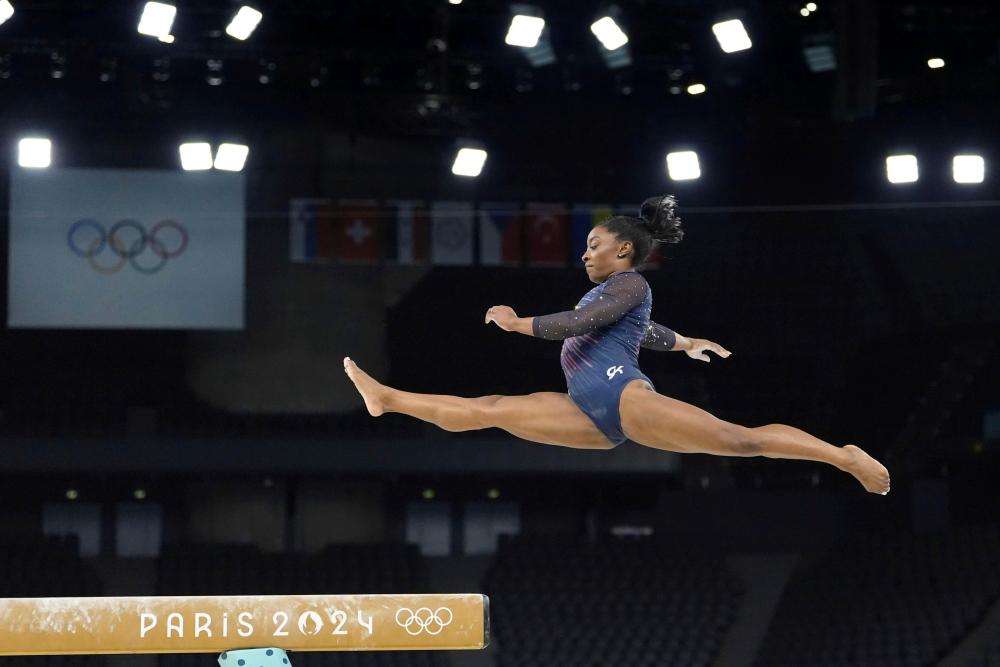
If you’re trying to figure out how to watch women’s gymnastics Olympics coverage without guessing at a schedule that hasn’t been published yet, here’s what’s actually stable: NBCUniversal’s networks and Peacock, and what changes every four years: everything else. This guide covers the format, the networks, and how it differs from the separate Olympic Trials, plus where to find session-by-session specifics once they’re confirmed for the next Games.

In the United States, NBCUniversal holds the broadcast rights to the Olympic Games, so women’s gymnastics airs across NBC, USA Network, and E!, with every session streamed live on Peacock. NBCUniversal’s rights deal runs through the 2032 Games, so that arrangement is the reliable baseline, but the exact channel lineup, session times, and streaming packages are announced separately for each Games. Always confirm the current schedule on NBCOlympics.com or the official Olympics website close to the event.
This guide covers the Olympic Games competition itself, meaning the event where medals are actually decided. If you’re looking for the U.S. Olympic Trials, the selection event held in the same calendar year that determines who makes the team, that’s a separate competition with its own broadcast arrangement, and we cover it in our companion guide on how to watch the gymnastics Olympic Trials. The two get mixed up constantly because they happen months apart in the same Olympic year, but the format, stakes, and where you watch them are different.
- →NBCUniversal holds U.S. broadcast rights to the Olympics through 2032, spanning NBC, USA Network, E!, and Peacock
- →Peacock streams every session live, including qualification rounds NBC’s linear channels don’t have time to air in full
- →Women’s gymnastics runs in four stages: qualification, team final, all-around final, and event finals
- →Exact air dates, channel assignments, and streaming tiers are set separately for each Games, so verify close to the event
- →This guide covers the Olympic Games themselves; the separate Olympic Trials selection event has its own guide
Table of Contents
Where women’s gymnastics airs in the US
NBCUniversal has held the U.S. media rights to the Olympic Games since 1988 and extended that deal through the 2032 Games, so gymnastics coverage reliably lands somewhere in its family of networks: NBC’s broadcast channel for marquee primetime sessions, cable networks like USA Network and E! for additional live coverage, and Peacock, NBCUniversal’s streaming service, for the full slate of sessions, including qualification rounds and event finals that don’t fit into a primetime broadcast window.
The specific split, which network gets which session, what airs live versus on tape delay in different U.S. time zones, and what Peacock’s exact subscription tiers cost, is set individually for each Games and published by NBC Olympics closer to the event. Treat any specific channel-and-time claim you read for a Games that hasn’t happened yet as provisional until NBC Olympics or the official Olympics website confirms it.
⚠️ Watch out: Time zones distort what “live” means. When the Olympic host city is far ahead of U.S. time zones, as Tokyo and Paris both were relative to American viewers, some finals happen during the U.S. overnight or early morning. Peacock typically carries those sessions live regardless of the hour, while NBC’s primetime broadcast often re-airs the same competition later in the U.S. evening. If you want to avoid results before you watch, streaming live on Peacock is the more reliable option.
How the women’s team competition is structured
Olympic women’s artistic gymnastics runs across four rounds, and knowing the order helps you figure out which session actually decides what.

Qualification
Every national team and individual qualifier competes on all four women’s apparatus, vault, uneven bars, balance beam, and floor exercise, over one or more sessions. Qualification scores determine which teams advance to the team final, which individuals advance to the all-around final, and which gymnasts advance to each event final. It’s the longest session to watch in full and the one most likely to only get complete streaming coverage rather than a full broadcast slot.
Team final
The top eight teams from qualification compete again, with three gymnasts per team performing on each apparatus and every score counting toward the team total. This is typically one of the highest-profile sessions of the Games and usually gets a primetime broadcast slot on NBC in addition to the Peacock stream.
All-around final
The top 24 gymnasts from qualification advance, capped at two per country, and compete on all four apparatus in one session to determine the individual all-around champion. The two-per-country cap means a nation’s third- or fourth-best all-arounder can miss this final even with a qualifying score that would have advanced them from a less competitive country, a rule that regularly generates controversy.
Event finals
The top eight gymnasts on each individual apparatus, also capped at two per country, return for four separate finals, one each for vault, uneven bars, balance beam, and floor exercise. These are shorter, single-apparatus sessions, and they’re often grouped together or paired with other sports in the broadcast schedule.
📊 Note: The two-per-country cap in the all-around and event finals is a real Olympic gymnastics rule, not a broadcast decision. It exists to prevent one dominant national team from filling every finals slot, but it means the broadcast lineup for those finals can look different from the pure ranking of qualification scores.
Watching without a live TV package
Peacock is the most direct route if you don’t have a cable or satellite login, since it carries every session as a standalone streaming subscription rather than requiring a TV provider credential. NBC’s own apps and NBCOlympics.com generally require signing in with a participating TV provider account, which doesn’t help if you’ve cut cable entirely.
Live TV streaming bundles that include NBC-owned channels, the kind of service built around a channel package rather than on-demand video, are another route to the broadcast feed if you specifically want NBC’s produced primetime coverage rather than the full Peacock session library. Availability and pricing for these bundles change often enough that naming a specific current price here would be out of date within months, so check the provider directly.
- ✓Check NBCOlympics.com or the official Olympics website for the confirmed schedule once it’s published
- ✓Use Peacock if you want every session live, including qualification rounds
- ✓Watch on Peacock specifically if you want to avoid seeing results before the broadcast airs
- ✓Expect the exact channel-and-time lineup to be published only a few months before the Games
- ✕Assume a schedule from a past Games (Tokyo, Paris) applies to the next one
- ✕Rely on a random schedule graphic circulating on social media instead of the official source
- ✕Expect free over-the-air access to every session; qualification and some finals are Peacock-only
- ✕Confuse this event with the separate Olympic Trials, which airs on a different schedule
Why the Olympic Trials guide is a separate page
The Olympic Trials is the U.S.-only selection event, held in the same Olympic year but months before the Games, where the actual American roster gets decided. It has its own venue, its own broadcast arrangement, and a different set of stakes; a gymnast can win Trials and still not make the final Olympic team, since selection also weighs prior scores and committee discretion under USA Gymnastics’ selection procedures.
What changes from one Olympic cycle to the next
A few things stay stable across cycles because they’re set by NBCUniversal’s long-term rights deal: the Peacock streaming option, the general split between NBC’s broadcast networks and its cable channels, and the four-round competition format itself, which is set by the International Gymnastics Federation, not by the broadcaster. What changes every cycle is the specific schedule: which sessions get primetime placement, what Peacock’s subscription pricing looks like at that point, time zone offsets from whichever host city is up next, and occasionally the streaming app lineup as NBCUniversal updates its own platforms.
Because of that, the most useful habit is checking the official source in the weeks leading into the Games rather than relying on a schedule from a previous cycle or an unofficial recap. NBCOlympics.com publishes session-by-session listings once they’re finalized, and that page is the most current single source for exact air times.
How the last three Olympic cycles were broadcast
Looking at recent cycles shows the pattern rather than the exact detail. At the Rio 2016 Games, coverage ran across NBC and its cable channels including NBCSN, with online streaming available through NBC’s digital properties before Peacock existed as a standalone service. By Tokyo 2020, held in 2021 because of the pandemic delay, Peacock had launched and became the streaming home for the full slate of sessions alongside NBC’s broadcast coverage. Paris 2024 kept that same NBC-plus-Peacock structure, with Peacock carrying every session live and NBC’s primetime broadcast packaging the marquee finals for a general audience.
The throughline across all three cycles is that NBCUniversal has held the rights the entire time and has consistently used a mix of broadcast television for wide reach and a streaming platform for completeness. That pattern is a reasonable basis for predicting how the next Games will be structured, even though it doesn’t tell you the specific channel or exact air time for any single session.
Watching from outside the United States
This guide is written from a U.S. viewing standpoint since that’s where NBCUniversal’s rights apply. Other countries have their own Olympic broadcast rights holders, and those arrangements are negotiated separately by each national broadcaster, so nothing about NBC or Peacock applies outside the U.S. If you’re watching from another country, search for your national Olympic broadcaster, in the UK that has historically been the BBC, for example, rather than assuming a US streaming service will work with a non-U.S. billing address or location. Geographic restrictions on official streams are enforced deliberately as part of how those rights deals are structured.
💡 Pro tip: Bookmark NBCOlympics.com rather than a random schedule article you find through search. Recap articles, including this one, describe the general pattern; only the official source gets updated with the actual confirmed times once NBC finalizes its coverage plan for a specific Games.
Bottom line
For the Olympic Games themselves, plan on NBC’s broadcast channels for primetime coverage and Peacock for the complete session-by-session stream, including qualification and every event final. The two-per-country rule and the four-round format are worth understanding before you watch, since they explain some results that otherwise look confusing. And keep this page separate in your head from the Olympic Trials, which is a different event with a different schedule entirely.
What channel is women’s gymnastics on during the Olympics?
In the U.S., it airs across NBCUniversal’s networks, NBC, USA Network, and E! depending on the session, with every session also streamed live on Peacock. The exact channel assignment for each specific session is published by NBC Olympics ahead of the Games, so check NBCOlympics.com for the current lineup rather than a previous cycle’s schedule.
Do I need cable to watch Olympic gymnastics?
No. Peacock is a standalone streaming subscription that carries every gymnastics session without requiring a cable or satellite provider login. NBC’s own apps typically do require a TV provider sign-in, so Peacock is the more direct option if you’ve cut cable.
What’s the difference between the Olympic Trials and the Olympic Games gymnastics competition?
The Trials is a U.S.-only selection event held months before the Games that helps decide the American roster. The Olympic Games competition is the actual medal event involving every qualifying nation. They have separate schedules and broadcasts; see our dedicated guide on the Olympic Trials for that event specifically.
How many gymnasts from one country can compete in the all-around final?
A maximum of two per country, regardless of how many of that nation’s gymnasts scored well enough in qualification to otherwise advance. The same two-per-country cap applies separately to each individual event final.
Can I watch Olympic gymnastics if I’m outside the United States?
Not through NBC or Peacock; those rights only cover the U.S. Every country negotiates its own Olympic broadcast rights separately, so viewers elsewhere need to find their national rights holder, for example the BBC has historically carried the Olympics in the UK, rather than trying to access a U.S. streaming service from abroad.