Best Soccer Cleats for Turf: Verified TF Outsole Picks

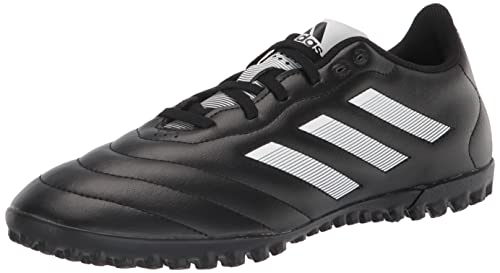
The right soccer cleats for turf use a completely different outsole than a firm-ground boot, and mixing the two up is the most common mistake players make shopping for artificial-grass footwear. Here’s what a real TF outsole looks like, three verified picks with current price and stock, and how to tell a genuine turf cleat from a firm-ground boot wearing a turf label.
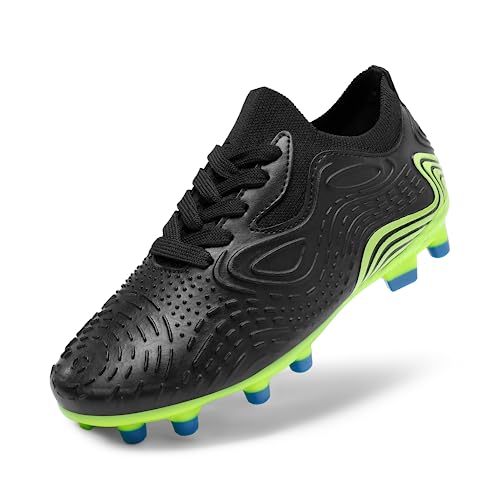
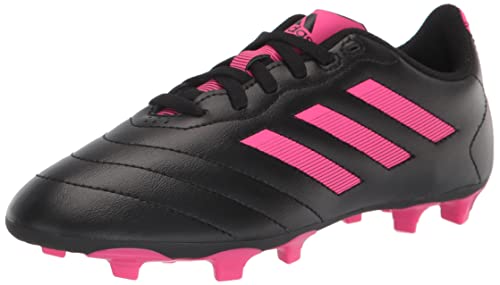
A real turf cleat uses a TF (turf) outsole: dozens of short, dense rubber studs or nubs instead of the longer bladed or conical studs on a firm-ground (FG) or soft-ground (SG) boot. That shorter, denser pattern spreads pressure across artificial turf’s thin infill layer instead of digging into it, which is why an FG boot on turf feels unstable and wears down fast. Verified picks below: PUMA Men’s Attacanto Turf Trainer Soccer Cleat ($44.95) and adidas Unisex F50 League Turf Sneaker ($85.00).
- →A TF outsole has short, dense rubber studs designed for artificial turf, not the longer studs of an FG or SG boot
- →Wearing FG studs on turf is the single most common cause of turf-specific ankle rolls and premature stud wear
- →All three picks below were checked against Amazon’s live catalog on 2026-09-13 for real price and stock, not assumed
- →Stock on turf-specific sizes tends to run thin since it’s a narrower product category than firm-ground boots
- →A turf boot’s upper is usually built more like a trainer than a boot, so break-in time is short
Table of Contents
What actually makes a cleat “turf-specific”
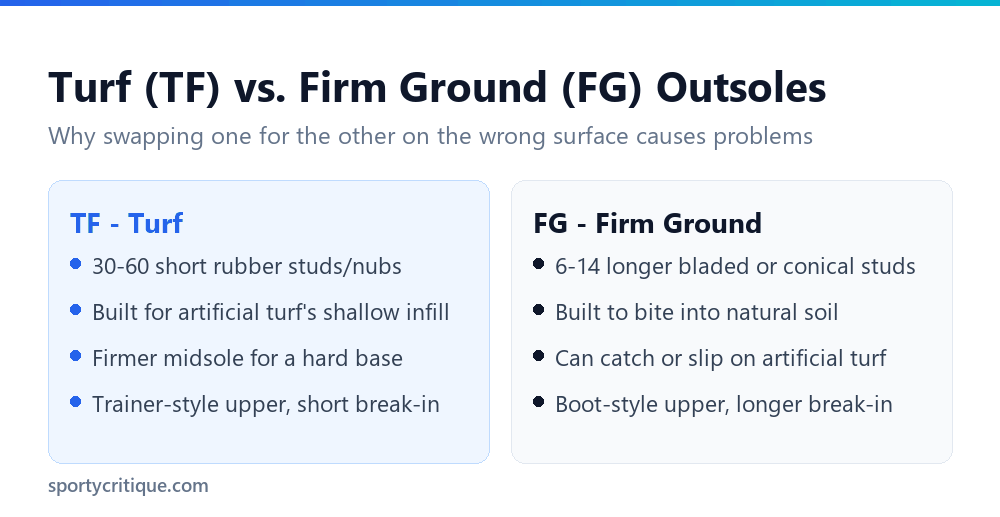
The outsole is the whole story. A turf, or TF, outsole is covered in dozens of small rubber studs or nubs, usually somewhere between 30 and 60 of them, each only a few millimeters tall. That density matters because artificial turf sits on a shallow layer of sand or rubber infill over a hard base, nothing like the compressible soil under a grass pitch. Long studs from an FG or SG boot have nowhere to sink into on that base, so they either sit right on the surface and slip, or catch awkwardly on the fibers and infill.
That’s a genuinely different design brief from a firm-ground boot, not a marketing label stuck on the same shoe. A true turf cleat’s midsole is also usually a bit firmer underfoot, since the ground itself gives less than real grass and the extra stud count needs a stable base to sit on.
⚠️ Watch out: Playing on turf in firm-ground studs is one of the more common causes of twisted ankles on artificial pitches, because FG studs can catch in the turf fibers or infill instead of releasing cleanly on a turn. If a facility issues turf-only rules, that’s the reason, not an arbitrary policy.
Verified turf-specific picks
Every product below was looked up directly through Amazon’s product API on 2026-09-13 for its actual title, price, and stock status, not carried over from an old listing. Turf-specific sizes sell through fast, so treat the stock notes as a snapshot rather than a guarantee.

PUMA Men’s Attacanto Turf Trainer Soccer Cleat
Listed at $44.95 at last check (only 2 left in stock at last check). This is PUMA’s dedicated turf trainer, built with a rubber TF outsole rather than a firm-ground boot with a “works on turf too” label. It runs true to a trainer-style fit, which suits players who find bladed boots too stiff for turf’s harder underfoot feel.

adidas Unisex F50 League Turf Sneaker
Listed at $85.00 at last check (only 1 left in stock at last check). adidas’s F50 League turf version carries the same synthetic upper as the firm-ground F50 League but swaps in the dense TF stud pattern underneath. It’s the pricier of the two verified picks here, and the price mostly buys a lighter, more locked-down upper rather than a different outsole concept.
New Balance Men’s 442 V2 Team TF Soccer Shoe (Wide)
Listed at $77.00 at last check (only 4 left in stock at last check). This is New Balance’s 442 V2 Team built on a TF sole, and the specific listing we verified is also cut in a wide width, which is worth knowing if standard-width turf trainers have felt tight across the forefoot. It is not currently marketed as a beginner boot; the 442 line targets a flatter, control-first strike zone.
Turf, firm ground, and soft ground compared
It helps to see the three outsole families side by side rather than take a brand’s word for which one a boot belongs to. The graphic below breaks down what each stud pattern is actually built for.
Sizing and break-in on a turf boot
Turf trainers generally run closer to sneaker sizing than boot sizing, since the upper is built more like a trainer shell. Most players find their normal shoe size works, where a firm-ground boot often needs sizing down half a size for a snug, cleat-appropriate fit. Break-in is also shorter, typically a session or two, since turf uppers use less rigid synthetic material than a leather-forward FG boot.
- ✓Buy a TF-labeled outsole specifically for turf, not an FG boot you already own
- ✓Expect close-to-sneaker sizing rather than boot sizing
- ✓Check current stock before committing, since turf-specific sizes sell out fast
- ✓Rotate turf and grass boots if you play on both surfaces regularly
- ✕Assume any cleat is fine for turf just because the box says “multi-ground”
- ✕Wear worn-down FG studs on turf expecting extra grip; they won’t grip a hard base
- ✕Buy a size down like you might for an FG boot; turf trainers usually run true to size
- ✕Ignore ankle stability if a facility specifically requires turf shoes
💡 Pro tip: If you split time between turf and firm-ground grass, a multi-ground (MG) boot with short conical studs is the honest middle ground, but it still won’t grip turf as well as a dedicated TF outsole on a hard-based field.
Who should buy turf-specific over firm ground
If most of your games or training sessions happen on an artificial pitch, the TF picks above are worth the switch. If turf is occasional, once a month or less, a multi-ground boot is a reasonable compromise that won’t feel wrong on either surface, even if it isn’t optimal on turf specifically.
Coaches running mixed-surface sessions, part on turf, part on grass, tend to keep two pairs in the bag rather than compromise on either. It’s an added cost, but a dedicated TF outsole and a dedicated FG or SG outsole each cost less on their own than a single boot that tries to do both jobs adequately and does neither one particularly well.
📊 Note: Looking for cleats matched to a position instead of a surface? Our guide to midfielder-specific cleats and our guide to full-back and defender cleats both cover firm-ground boots for grass pitches.
How long a turf outsole actually lasts
Rubber TF studs wear down through abrasion against the turf fibers and the hard base underneath, not through the digging-and-pulling wear an FG stud takes in soil. A player training three or four times a week on turf can expect visible flattening on the highest-contact studs, usually under the ball of the foot, somewhere between six months and a year, depending on how abrasive the specific turf surface is. Newer artificial turf with more infill tends to be gentler on outsoles than an older, thinner installation.
A simple way to check wear without guessing is to run a thumb across the stud tips. Rounded, smooth studs that used to have a slightly textured or faceted rubber surface have lost meaningful grip, even if the boot still looks intact from a distance. That loss of texture, not a visible hole, is usually the first real sign a turf outsole needs replacing.
Common myths about turf cleats
What voids a genuine turf label
Watch for listings that use “turf” as a loose description rather than a spec. If a product page doesn’t clearly show a dense, short-stud rubber sole in its own photos, or if the same listing is also described as “indoor” or “street soccer” without distinguishing the two, treat the turf claim as unverified until you can see the outsole pattern directly. Indoor court shoes use a completely flat gum-rubber sole meant for hard courts, which is a third category entirely and not interchangeable with a turf outsole despite some overlap in casual marketing language.
Other cleat guides on this site
Bottom line
A genuine turf cleat means a TF outsole, not just a boot that happens to survive on artificial grass. Of the three verified picks here, the PUMA Attacanto Turf Trainer is the easiest entry point on price, the adidas F50 League Turf trades up for a lighter locked-in upper, and the New Balance 442 V2 Team TF is the one to check first if standard-width turf trainers have felt tight.
Frequently asked questions
What is a TF outsole on a soccer cleat?
TF stands for turf. It’s an outsole covered in dozens of short, dense rubber studs or nubs, built to spread pressure across artificial turf’s shallow infill layer instead of digging into it like a longer firm-ground stud does.
Can I wear firm-ground cleats on turf?
You can, but it isn’t ideal and some facilities don’t allow it. FG studs can catch in turf fibers or infill during turns, which is a common cause of ankle rolls on artificial pitches, and the studs themselves wear down faster on a hard turf base than they would in real soil.
Do turf cleats run true to size?
Generally yes, closer to normal sneaker sizing than the half-size-down fit many players use for firm-ground boots, since turf uppers are built more like a trainer shell.
Is a multi-ground (MG) boot a good substitute for a turf cleat?
It’s a reasonable compromise if you only play on turf occasionally. An MG boot’s shorter conical studs handle turf better than long FG studs do, but they still won’t grip an artificial surface as well as a dedicated TF outsole built specifically for it.
How long do turf cleats usually last?
For a player training three to four times a week on turf, expect roughly six months to a year before the highest-contact studs, typically under the ball of the foot, noticeably flatten and lose their textured grip surface.
Are indoor soccer shoes the same as turf cleats?
No. Indoor shoes use a flat gum-rubber sole built for hard indoor courts, while turf cleats use a raised pattern of short rubber studs built for artificial grass. The two surfaces call for different outsoles, even though some casual listings blur the two terms together.
As an Amazon Associate, we earn from qualifying purchases through links on this page.