What Does a Setter Do in Volleyball? Role, Reads, and Decision-Making
A setter runs the offense: second contact, hand shape, and a read of the defense before every set. Here is what the job actually involves play by play.

Explore our comprehensive Volleyball Resource Hub (sportycritique.com/volleyball-guide/) for complete technique guides, court shoe comparisons, ball pressure standards, and step-by-step spiking and serving mechanics.

A setter runs the offense: second contact, hand shape, and a read of the defense before every set. Here is what the job actually involves play by play.
How to build a stable volleyball serve receive platform: arm lock, footwork, and passing angle mechanics that fix inconsistent first-ball passing for real.

What a libero does in volleyball: the defensive role, jersey rule, substitution freedom, and the rotation limits that make the position unique.
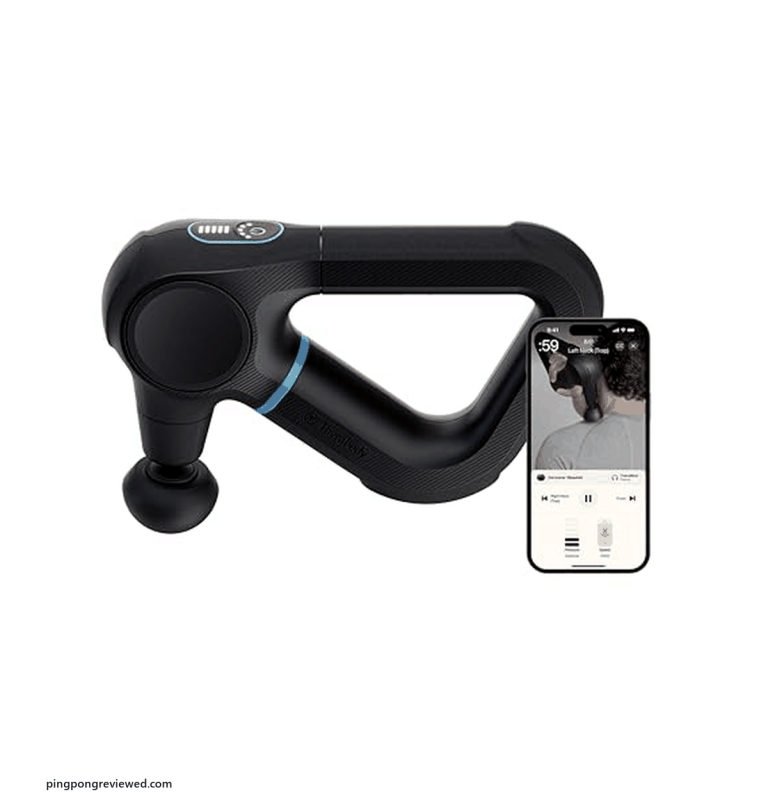
Three verified, currently buyable recovery tools, in the order most players should actually add them.
The rule only applies for a split second at serve, then disappears for the rest of the rally. Here’s the full mechanics, plus 5-1 vs 6-2.
Block in volleyball correctly by timing your jump to the hitter’s arm swing, not the ball, and reaching over the net with proper hand positioning.

The four ways to hit a volleyball explained: the forearm pass, the overhead set, the attack, and the dig — which to use when, and the fundamentals they all share.

Volleyball scoring explained: rally points, sets to 25, the win-by-two rule, what changed in 1999, and the deuce situations that decide close matches.

How to play volleyball explained for beginners: the three-touch rhythm, rally scoring, rotation, all six positions, and the faults that cost new players points.
Master the overhand volleyball float serve with this step-by-step biomechanical guide. Covers the 12-to-18 inch toss rule, float vs topspin, and court zone targeting.

Every volleyball serve explained — underhand, float, topspin, and jump serves — plus the rules players get wrong, where to aim, and the drill that builds consistency.

Master the volleyball spike with this step-by-step biomechanical guide. Covers the 4-step approach, net heights, back-row 10-foot rules, and wrist snap mechanics.
